
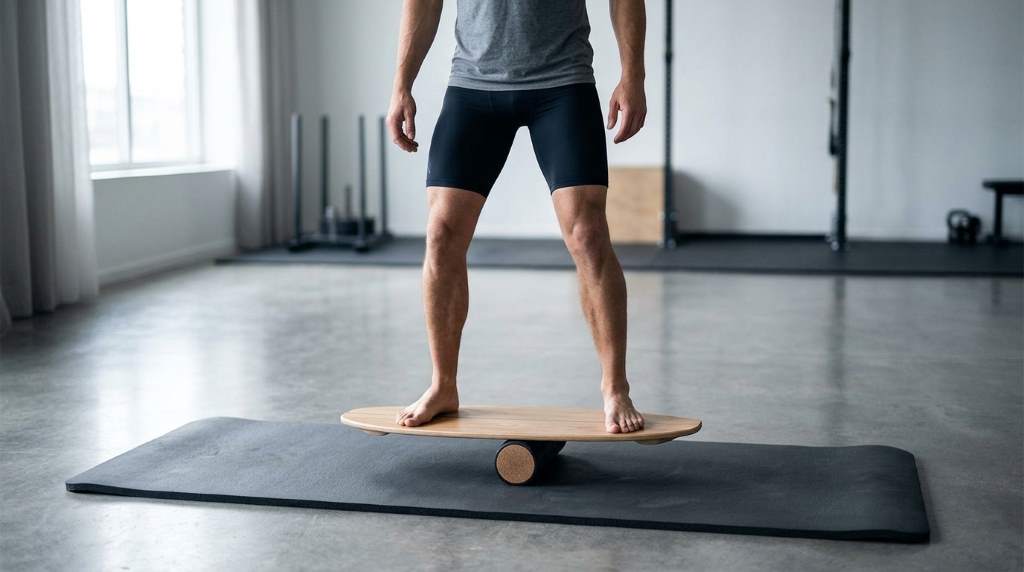
Balance training has become an essential part of surf preparation across the USA. According to sports fitness research, balance focused exercises can improve stability performance by up to 35% when practiced consistently. Many surfers, athletes, and fitness enthusiasts now use surf balance boards to improve coordination and strengthen core muscles safely. However, using these boards incorrectly can lead to falls and preventable injuries. This guide explains how to use surf balance boards safely while maximizing performance benefits and reducing risks.
Understanding Surf Balance Boards
Surf balance boards are training tools designed to simulate the unstable movements experienced while surfing. They help improve balance, coordination, core strength, and reaction time.
These boards typically consist of a deck positioned on top of a roller or balance platform. As a result, users must continuously adjust their body position to maintain stability.
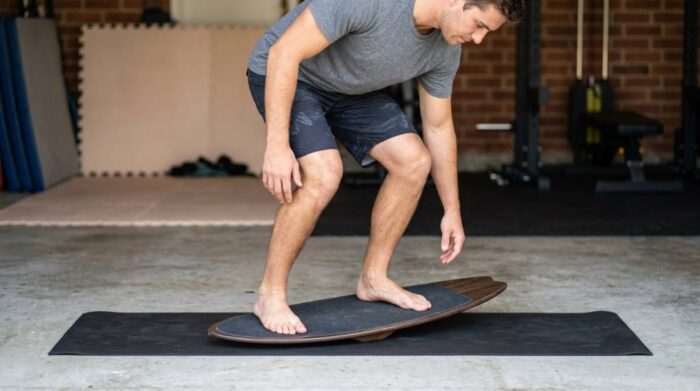
Common Types of Surf Balance Boards
- Roller balance boards
- Rocker balance boards
- Spring loaded balance trainers
- Inflatable balance platforms
- Multi directional surf trainers
Each type requires specific safety considerations. Therefore, understanding your equipment before use remains essential.
Why Safety Matters When Using Surf Balance Boards
Balance boards create controlled instability. Consequently, improper use can increase the risk of falls, sprains, and impact injuries.
Many beginners underestimate the challenge involved. However, even experienced athletes benefit from following structured safety protocols.
Safe training allows users to build muscle memory gradually. Furthermore, proper techniques improve long term performance outcomes.
Choose the Right Surf Balance Board
Selecting the correct board significantly reduces injury risks. Different skill levels require different stability features.
For Beginners
- Choose wider boards
- Select rocker style trainers
- Look for anti slip surfaces
- Avoid unrestricted rollers initially
For Intermediate Users
- Use controlled roller boards
- Practice dynamic movement drills
- Increase instability gradually
For Advanced Users
- Train with unrestricted rollers
- Perform surf specific maneuvers
- Add resistance exercises carefully
Choosing equipment that matches your skill level creates a safer learning environment.
Prepare a Safe Training Area
Your training environment directly affects safety outcomes. Therefore, creating a controlled space should be your first priority.
Select the Right Surface
Practice on non slip flooring whenever possible. Rubber mats and exercise flooring provide excellent traction.
Avoid slippery surfaces such as hardwood floors without protection. Additionally, never train on uneven outdoor ground.
Create Adequate Clearance
Maintain at least six feet of open space around your balance board. This distance helps reduce collision risks during falls.
Remove furniture, sharp objects, and breakable items nearby. Consequently, accidental injuries become less likely.
Use Support Structures Initially
Beginners should practice near a wall or sturdy support. This approach builds confidence while minimizing fall risks.
Wear Appropriate Safety Equipment
Protective equipment significantly reduces injury severity. Therefore, safety gear remains valuable for all experience levels.
Recommended Safety Equipment
- Athletic shoes with grip
- Wrist guards
- Knee pads
- Elbow pads
- Exercise mats
Barefoot training may improve board feel for some users. However, beginners often benefit from supportive footwear.
Learn Proper Mounting Techniques
Most accidents occur during mounting and dismounting. Therefore, mastering these movements should be your first goal.
Step One: Stabilize the Board
Place the board on a secure surface before stepping onto it. Keep the board centered and steady.
Step Two: Hold Support
Use a wall, chair, or rail for assistance. Then, place one foot carefully onto the board.
Step Three: Transfer Weight Gradually
Shift your body weight slowly while maintaining control. Avoid sudden movements during the transition.
Step Four: Release Support Slowly
Once balanced, gradually remove your support hand. Continue focusing on stable posture.
Maintain Proper Body Position
Correct body mechanics improve performance and safety simultaneously. Therefore, posture should remain a constant focus.
Key Positioning Principles
- Bend your knees slightly
- Keep your back straight
- Engage your core muscles
- Look forward instead of downward
- Relax your shoulders
These adjustments help distribute weight evenly. As a result, maintaining balance becomes easier.
Start With Basic Exercises
Progressive training reduces injury risks and builds confidence. Consequently, beginners should avoid advanced tricks initially.
Static Standing Balance
Stand on the board for thirty seconds. Focus on maintaining consistent body alignment.
Weight Transfer Drills
Shift weight slowly from side to side. This exercise improves stability control.
Controlled Squats
Perform shallow squats while maintaining balance. Begin with five repetitions only.
Arm Movement Exercises
Raise and lower your arms gradually. This movement challenges coordination safely.
Avoid Common Safety Mistakes
Many injuries result from preventable errors. Therefore, understanding common mistakes improves overall safety.
- Attempting advanced tricks too early
- Training while fatigued
- Ignoring proper warmups
- Using unstable surfaces
- Training without supervision
- Practicing near obstacles
Recognizing these mistakes allows users to train more effectively and safely.
Warm Up Before Every Session
Proper warmups prepare muscles and joints for movement. Consequently, injury risk decreases significantly.
Recommended Warmup Routine
- Five minutes of walking
- Arm circles
- Leg swings
- Bodyweight squats
- Core activation exercises
Even short warmups can improve performance and reduce muscle strain.
Know When to Stop Training
Listening to your body remains critical during balance training. Therefore, stop immediately if discomfort develops.
Signs requiring rest include dizziness, muscle cramps, joint pain, or excessive fatigue. Continuing despite these symptoms increases injury risks.
Short training sessions often produce better results than extended sessions. Consistency matters more than duration.
Advanced Safety Tips for Experienced Users
Experienced athletes face different challenges during progression. Therefore, advanced safety practices become increasingly important.
- Record training sessions for technique analysis
- Increase difficulty gradually
- Use spotters during advanced drills
- Inspect equipment regularly
- Replace worn components promptly
Structured progression reduces unnecessary risks while maximizing performance gains.
Surf Balance Board Safety for Children
Children can benefit from balance board training under proper supervision. However, adult oversight remains essential.
Choose beginner friendly equipment designed specifically for younger users. Additionally, maintain close supervision throughout every session.
Short practice sessions help children develop coordination safely and effectively.
Conclusion
Learning how to use surf balance boards safely requires patience, preparation, and consistent practice. By selecting appropriate equipment, maintaining proper technique, and following safety guidelines, users can improve balance while minimizing injury risks.
If you plan to incorporate surf balance training into your fitness routine in the USA, start slowly and prioritize safety over performance. Begin with basic exercises today and build your skills progressively.
Frequently Asked Questions
Can beginners use surf balance boards safely?
Yes, beginners can train safely by using beginner friendly boards and proper supervision.
Should I wear shoes on a surf balance board?
Most beginners benefit from wearing athletic shoes with good grip.
How long should a balance board session last?
Most sessions should last between 10 and 30 minutes.
Can children use surf balance boards?
Yes, children can use them safely under adult supervision.
Do surf balance boards improve surfing skills?
Yes, they help improve balance, coordination, and body control relevant to surfing.