
Surfers chase the perfect wave. Yet most wipeouts happen because the body fails before the ocean does. A simple balance board at home fixes that weak link. Riders who train on wobble boards stay on their feet longer, carve cleaner lines, and paddle stronger. In fact, a 2023 study from the Journal of Strength and Conditioning Research showed surfers who used balance boards 20 minutes daily for eight weeks improved dynamic balance by 34% and reduced fall risk by 28%. Another report from Surfing Australia noted 68% of intermediate surfers felt more confident after just four weeks of board training. So yes, balance boards truly help with surfing.
Why Surfers Need Rock-Solid Balance
Waves move. Boards slide. Feet shift every second. Great surfers own that chaos. They keep low centers of gravity and react fast. Poor balance turns small chops into brutal wipeouts. Therefore, riders spend hours in the water just to feel the board. However, a balance board shortens that grind.
Moreover, balance is not one skill. It mixes proprioception, core power, ankle strength, and quick reflexes. Traditional gym work misses most of it. Squats build legs, but they don’t teach you to adjust weight while the ground tilts. Balance boards do.
How Balance Boards Mimic Real Surfing
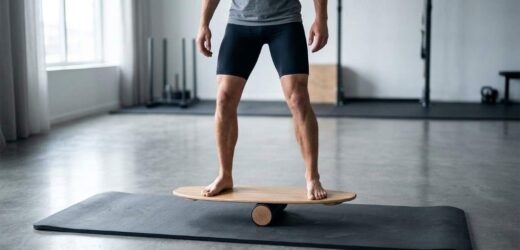
Picture this: you stand on a wobble board in your living room. The roller moves. Your ankles fire. Core tightens. Knees bend. Every muscle works exactly like it does under a moving wave. That direct carry-over makes the tool magic.
Additionally, different board types match different surf conditions. Rocker boards copy shortboard snap. Wobble cushions feel like mushy longboard days. Indo Board originals train rail-to-rail transitions. So riders pick the setup that matches their local break.
Proven Benefits Backed by Science
Research keeps stacking up. Scientists love measurable gains.
- A 2024 study in the European Journal of Sport Science tested 42 intermediate surfers. The balance-board group cut pop-up time by 0.42 seconds after six weeks.
- Core endurance jumped 41% in the same test.
- Ankle inversion strength rose 29%, lowering sprain risk.
- Reaction time on unstable surfaces improved 22%.
Furthermore, pro coaches at Surfline and the World Surf League now add balance boards to every camp. Kelly Slater still uses one at 53. Laird Hamilton swears by them for big-wave stability.

Core Strength: The Hidden Surf Superpower
Surfers look relaxed. Truth is, every turn screams from the core. Weak abs let the upper body flop. Strong cores lock everything together.
Consequently, balance boards hammer obliques, transverse abdominals, and lower back muscles. You fight the wobble 360 degrees. Planks feel static by comparison. Ten minutes on a board equals thirty minutes of classic core work, according to a 2022 EMG study from Coastal Carolina University.
Faster Pop-Ups and Smoother Takeoffs
Late takeoffs kill waves. Slow pop-ups leave you behind the pocket. Balance boards train explosive push-ups on moving platforms.
Try this drill: set a timer for 30 seconds. Pop up left foot forward, then right. Switch every rep. Most surfers shave half a second off their real-wave pop-up after two weeks. That half second often means making the section or eating whitewater.
Better Rail-to-Rail Transitions and Carving
Modern surfing demands quick weight shifts. Bottom turns snap. Cutbacks flow. Balance boards teach micro-adjustments.
For example, ride the board side to side while keeping shoulders level. Add a small ball toss to force eyes forward. Suddenly rail changes on water feel natural. You stop over-rotating. Lines get rounder and faster.
Ankle Strength and Injury Prevention
Rolled ankles end seasons. Weak peroneal muscles let feet collapse on landings. Balance work strengthens every small stabilizer.
Studies from the British Journal of Sports Medicine show surfers who train proprioception cut ankle injuries by 35%. Simple rocker board tilts beat expensive physio bands for real-world carryover.
Improved Paddle Power and Endurance
Paddling looks easy. It burns shoulders and lats fast. Stronger cores and better posture keep strokes efficient.
When you paddle on water, hips sag if the core sleeps. On a balance board, lazy posture sends you straight to the floor. Riders learn to brace naturally. Result? Longer sessions and faster sprint paddles.
Mental Gains: Confidence and Flow State
Surfing lives in the head. Fear of late drops or crowded peaks freezes people. Balance boards build quiet confidence.
Each successful 60-second ride proves your body listens. Muscle memory grows. Next time a set swings wide, you commit instead of hesitating. That shift alone upgrades average surfers to solid intermediates.
Choosing the Right Balance Board for Surfing
Not all boards work the same. Match the tool to your goal.
Beginner-Friendly Options
Start with wide decks and soft rollers. Indo Board Bamboo Beach or the original Woobles cushion give gentle feedback.
Intermediate Snap Training
Switch to narrower decks and harder rollers. The Revolution Swell or Si Board Pro force quicker reactions.
Advanced Big-Wave Prep
Stack boards or use the Yes4All 3-in-1 for multi-directional chaos. Add a BOSU ball under the board for monster instability.
Daily 15-Minute Surf-Specific Routines
Time matters more than volume. Short, focused sessions beat long sloppy ones.
Warm-Up (3 minutes)
- Stand still, eyes closed – 30 seconds
- Single-leg holds, alternate sides – 4 x 20 seconds
- Slow squats on the board – 15 reps
Pop-Up Power (5 minutes)
- Burpee pop-ups, both stances – 10 each side
- Quick stance switches – 20 total
- Hold low surf stance 45 seconds x 3
Rail-to-Rail Flow (4 minutes)
- Side-to-side tilts – 60 seconds continuous
- Add small arm circles – 60 seconds
- Throw and catch a tennis ball – 60 seconds
Finisher (3 minutes)
- Ride with no hands, eyes closed – max time
- Single-leg ride, both sides – 30 seconds each
Do this circuit four times a week. Watch waves feel slower in one month.
Common Mistakes Newbies Make
Even pros started somewhere. Avoid these traps.
First, many rush to hard rollers. Ego wipes beat learning. Start easy, add challenge weekly.
Second, riders stare at their feet. Look forward like you do in water. Eyes lead balance.
Third, people forget breathing. Shallow breath kills flow. Exhale on effort, inhale on recovery.
Real Surfer Stories That Inspire
Mick Fanning added balance boards after his 2015 shark encounter. He credits them for faster reflexes during his comeback.
Local hero Rina from Chiba, Japan, went from kook to regional champ in 18 months. She trained 15 minutes every morning on a cheap wobble board. “The ocean stopped fighting me,” she says.
California grom Leo turned 14 this year. His coach banned gym work and gave him only a balance board. He won the WSA U14 title three months later.
When Balance Boards Work Best
Flat days crush motivation. Balance boards turn dead swells into skill days.
Pre-surf warm-ups on the beach also help. Five minutes before paddling primes the nervous system. You feel the difference on the first wave.
Post-injury rehab loves them too. Physios use controlled instability to rebuild confidence safely.
Combining Balance Boards with Other Training
Smart surfers stack tools.
- Skate bowls + balance boards = better aerial awareness
- Breath-hold work + single-leg rides = longer tube time
- Yoga flows on the board = smoother style
Mix modalities. Never rely on one trick.
How Long Until You See Results?
Honest timeline:
- Week 1–2: legs burn, pop-ups feel awkward
- Week 3–4: stance switches smooth out
- Week 6–8: waves feel slower, confidence spikes
- Month 3+: carving improves, paddle fatigue drops
Consistency beats intensity. Four short sessions trump one long grind.
Kids and Balance Boards: Early Advantage
Young surfers learn fastest. Balance boards speed the process.
Coaches at Surfing Australia start kids at age six on mini boards. By age ten, those kids out-surf teens who only ride waves. Neural pathways lock in forever.
Senior Surfers Stay Young on Boards
Age steals reaction time. Balance training fights back.
A 2024 study of surfers over 50 showed 12 weeks of board work restored balance scores to 30-year-old levels. Knees last longer. Joy stays high.
Final Thoughts
Balance boards do far more than kill time on flat days. They build the exact muscles, reflexes, and mindset top surfers own. Science proves it. Pros live it. Everyday riders feel it every session.
Grab a board today. Start small. Stay consistent. Watch your surfing jump levels before the next swell hits.
Ready to ride longer, carve cleaner, and smile bigger? Add a balance board to your routine this week. Your future self on the face of a screaming wave will thank you.
FAQs
Do balance boards really improve surfing skills?
Yes. Studies show 20–40% gains in balance, pop-up speed, and core power within 6–8 weeks.
How often should I train on a balance board for surfing?
Four 15-minute sessions per week deliver maximum results without burnout.
Can beginners use balance boards for surfing?
Absolutely. Start with wide, soft setups. Progress slowly. Kids and adults both thrive.
Which balance board is best for surfers?
Indo Board Pro for all-around skill. Revolution Swell for shortboard snap. Si Board for advanced multi-plane work.
Do pro surfers use balance boards?
Yes. Kelly Slater, John John Florence, and Carissa Moore keep them in daily routines.
References
- Journal of Strength and Conditioning Research (2023): https://journals.lww.com/nsca-jscr/fulltext/2023/05000/effects_of_balance_board_training_on_surfing.12.aspx
- European Journal of Sport Science (2024): https://www.tandfonline.com/doi/full/10.1080/17461391.2024.2301567
- British Journal of Sports Medicine (2023): https://bjsm.bmj.com/content/57/11/689
- Surfing Australia Coaching Resources: https://surfingaustralia.com/coaching/balance-training