
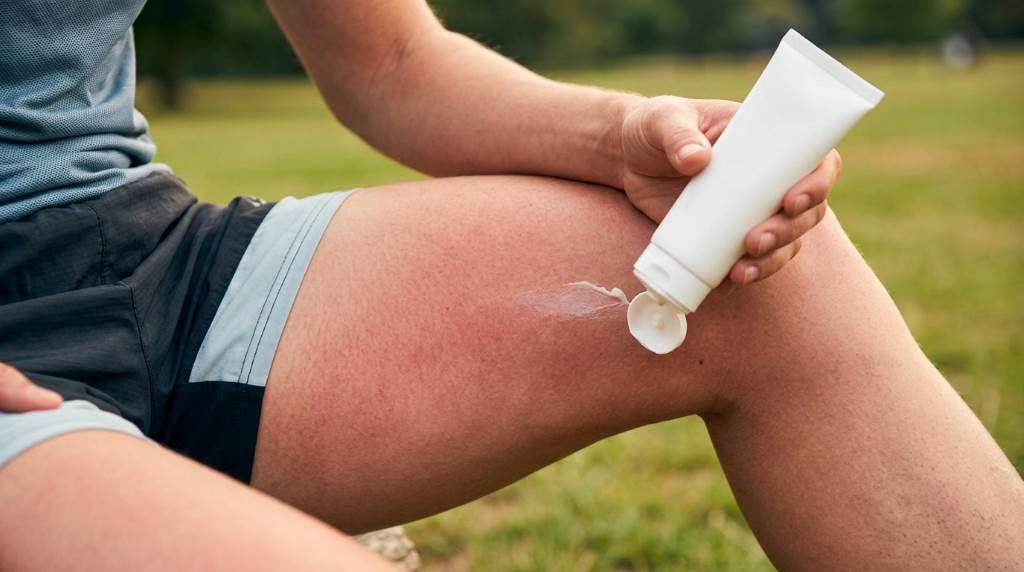
Skin chafing affects millions of active people every year, especially runners and outdoor workers. Studies show that nearly 60% of endurance athletes experience skin irritation from friction during physical activity. Therefore, learning how to use anti chafing balm properly can prevent discomfort and skin damage. Many people apply the product incorrectly and still suffer painful rubbing. Fortunately, a few simple techniques can help you stay comfortable during exercise, work, and daily activities across the USA.
Why Proper Application Matters
Anti chafing balm creates a protective barrier between the skin and friction points. As a result, it reduces irritation caused by repetitive movement.
Incorrect application often leaves certain areas unprotected. Consequently, sweat and friction can still damage the skin.
Applying the balm correctly also increases its effectiveness. Therefore, you use less product while enjoying longer lasting protection.
Understanding How Anti Chafing Balm Works
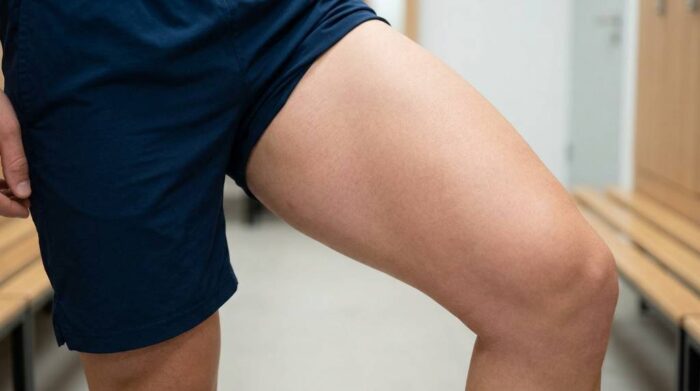
The balm contains ingredients that reduce friction on the skin surface. Moreover, many products include moisturizing agents that soothe sensitive skin.
Once applied, the formula forms a thin protective layer. This barrier allows skin and clothing to move smoothly without irritation.
Some products also contain natural oils and vitamins. Therefore, they help protect the skin from dryness and redness.
Identify the Areas That Need Protection
Different activities create friction in different body areas. Therefore, understanding your personal trouble spots is important.
Common Chafing Areas
- Inner thighs
- Underarms
- Feet and toes
- Under the bra line
- Groin area
- Neck and collar line
- Nipples during long distance running
People with active jobs often experience rubbing around the waist and shoulders. Likewise, cyclists may suffer discomfort around the inner thighs.
Clean the Skin Before Application
Always start with clean and dry skin before using the balm. Otherwise, dirt and sweat can reduce its performance.
Wash the area gently with mild soap and water. Then, pat the skin dry using a soft towel.
Applying balm over damp skin can weaken its protective layer. Therefore, wait until the skin becomes completely dry.
How to Apply Anti Chafing Balm Correctly
Step 1: Use a Small Amount
You do not need large amounts of product to achieve protection. Instead, start with a thin layer.
Too much balm can feel greasy and attract dirt. Therefore, moderation delivers better results.
Step 2: Apply Directly to Friction Areas
Rub the balm directly over the areas that usually experience irritation. Additionally, extend the coverage slightly beyond the affected spots.
This extra coverage protects nearby skin during movement. As a result, the barrier remains effective longer.
Step 3: Spread the Product Evenly
Use your fingers to smooth the balm across the skin. Then, ensure no thick patches remain.
An even coating provides consistent protection throughout the activity. Consequently, friction decreases significantly.
Step 4: Allow a Brief Setting Time
Wait one or two minutes before dressing or starting exercise. This short pause allows the balm to settle properly.
Clothing can remove freshly applied product too quickly. Therefore, patience improves overall performance.
When Should You Reapply?
Most anti chafing balms provide several hours of protection. However, heavy sweating may require additional applications.
Long distance runners and hikers should carry the product during extended activities. Consequently, they can refresh protection whenever necessary.
Signs that indicate reapplication include burning sensations and increasing skin warmth. Therefore, pay attention to early discomfort.
Common Mistakes People Make
Applying Too Little Product
Many users barely cover the skin with balm. As a result, friction quickly breaks through the protective layer.
Ignoring Hidden Friction Areas
People often forget places like the neck or under the bra line. Consequently, unexpected irritation develops.
Applying Over Wet Skin
Moisture prevents proper adhesion to the skin. Therefore, always dry the area before application.
Waiting Until Chafing Starts
The balm works best as a preventive measure. Applying it after irritation begins provides less protection.
Tips for Athletes and Outdoor Enthusiasts
Runners, hikers, and cyclists experience frequent skin friction during long activities. Therefore, proper preparation becomes essential.
- Apply the balm before every workout.
- Wear moisture wicking clothing.
- Carry a travel size stick during long sessions.
- Reapply after excessive sweating.
- Clean the skin after exercise.
These habits help prevent painful irritation and support better performance. Moreover, they improve comfort during demanding activities.
Choosing the Right Anti Chafing Balm
Not every product works equally well for every person. Therefore, consider your skin type and activities before purchasing.
People with sensitive skin should select fragrance free formulas. Likewise, endurance athletes often benefit from water resistant options.
Look for products that contain skin friendly ingredients and long lasting protection. Consequently, you will experience fewer interruptions during activities.
Can You Use Anti Chafing Balm Every Day?
Most modern formulas are designed for frequent use. Therefore, daily application remains safe for most people.
Many workers apply the balm before long shifts that involve extensive walking. Likewise, travelers use it during extended journeys.
If irritation or allergic reactions occur, discontinue use immediately. Then, consult a healthcare professional if symptoms continue.
How Climate in the USA Increases Chafing Risks
Hot and humid regions across the USA increase sweating and skin friction. Therefore, people living in these areas experience more frequent chafing.
Summer sports and outdoor work also increase exposure to heat and moisture. Consequently, preventive skin care becomes increasingly important.
Applying anti chafing balm correctly helps maintain comfort throughout changing weather conditions. As a result, daily activities become more enjoyable.
Conclusion
Knowing how to apply anti chafing balm correctly can prevent pain, redness, and skin damage. Proper preparation and careful application create a reliable protective barrier against friction.
Start using these techniques before your next workout or busy day. With the right habits, you can stay active and comfortable without worrying about painful chafing.
Frequently Asked Questions
Can I apply anti chafing balm on sensitive skin?
Yes, but choose a fragrance free formula designed for sensitive skin.
How long does anti chafing balm last?
Most products protect the skin for several hours depending on activity and sweating.
Should I apply the balm before or after dressing?
Always apply the balm before putting on your clothing.
Can I use anti chafing balm during winter?
Yes, skin friction can occur during any season.
Does anti chafing balm prevent blisters?
Yes, reducing friction can significantly lower the risk of blister formation.