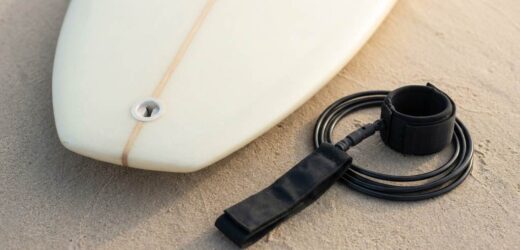

Surfing is all about connection—between you, the board, and the waves. But have you ever wondered what keeps that connection smooth and steady? It’s the fins. These small but mighty components can make or break your ride, influencing everything from speed to control. For beginners and avid surfers alike, knowing how to put fins on a surfboard is a game-changer. This guide walks through the process step-by-step, blending practical tips with insights from the surfboard world. Ready to dive in?
Why Surfboard Fins Matter
Fins aren’t just accessories; they’re the backbone of your surfboard setup. They guide the flow of water, stabilize your ride, and help you carve those hollow waves with precision. According to a study by Surf Science, fins contribute to about 40% of a board’s maneuverability. Whether you’re chasing extra speed or aiming for balance of control, the right fin configuration is key. So, how do you get started?
The process might seem tricky at first, especially with terms like thruster setup or longboard fins floating around. But don’t worry—it’s simpler than it looks. With a variety of surfboard shapes and fin setups out there, this article covers the essentials to help you find what works best, whether you’re perfecting how to pop up on a surfboard or fine-tuning your ride for the waves.

Types of Surfboard Fins and Configurations
Before grabbing those fins screws, let’s explore the options. Surfboards come in all flavors—traditional surfboard designs, looser surfboards, or even stiff surfboards. Each pairs differently with fins. Here’s a quick rundown:
- Thruster Configuration: The regular thruster, with three fins, is a favorite for its mix of speed generation and extra control. It’s ideal for advanced surfers tackling wave board sessions.
- Longboard Single: A single fin suits the longboard fins crowd, offering a smooth, classic feel—perfect for cruising.
- Finless Board: Rare but bold, this type of board skips fins entirely for a wild, loose ride.
- Twin or Quad Setups: These offer a board loose feel with wide tails, boosting acceleration.
Each setup tweaks the board center and tail shape, affecting how water tracking happens. Curious about which fits your style? Let’s move to the tools you’ll need.
Tools You’ll Need to Install Surfboard Fins
Setting up fins is straightforward, but you’ll need a few items. Gather these before starting:
- Fins (size L fins or size M fins, depending on your board).
- A fin key or screwdriver for grub screws and inset screws.
- Your surfboard (check the longboard fin boxes or thruster setup slots).
No fancy gear required—just the basics. Now, let’s get those fins on.
Step-by-Step: How to Put Fins on a Surfboard
Ready to transform your common surfboard into a wave-riding machine? Follow these steps for a solid surfboard fin configuration.
Step 1: Check Your Surfboard Dimensions
Every board is unique. Surfboard dimensions—like length and tail for acceleration—dictate fin placement. A shorter fin base length might suit a stiffer base, while wider boards, often used in Para surfing and kitesurfing, may need more fin support. Lay your board flat and inspect the fin boxes.
Step 2: Choose Your Fin Setup
Will it be a thruster setup for extra speed or a longboard single for surfboard fun? Your choice shapes the experience in surfboard creation. For beginners, a regular thruster offers versatility. Experts in surfboard manufacturing often tweak setups based on wave conditions.
Step 3: Insert the Fins
Slide each fin into its slot. For a thruster configuration, position two fins at the back and one near the board connectivity point. Ensure they sit snugly—loose fins mean shaky rides. Finless board fans can skip this, but most will want that stiffer base feel.
Step 4: Secure with Screws
Grab those fins screws or grub screws. Tighten them gently with your fin key or screwdriver. Don’t overdo it—too much force can strip the inset screws. The goal? A secure fit that holds through wild surfboard rides.
Step 5: Test the Stability
Give the fins a wiggle. They shouldn’t budge. This step ensures your surfboard fin setups are ready for action, whether you’re chasing trajectories for water or just enjoying the ride.
Fine-Tuning Your Surfboard Setup
Got the fins on? Great! Now, let’s tweak for performance. The tail shape—like wide tails—pairs with fin placement to boost speed or control. A study from Boardcave notes that 60% of surfers adjust fins seasonally for optimal wave board performance. Here’s how to refine yours:
- Looser Surfboards: Opt for smaller fins or a twin setup for a playful feel.
- Stiff Surfboards: Larger size L fins add stability for powerful turns.
- Longboard Fins: A single fin with a wider base for tracking keeps things smooth.
Experimentation is part of the fun. Avid surfers often swap setups to match conditions, proving there’s no one-size-fits-all in the creation of surfboards.
Common Mistakes to Avoid
Even experts slip up sometimes. Here are pitfalls to dodge:
- Over-tightening Screws: This damages fin boxes, especially on longboard fin boxes.
- Wrong Fin Size: Size M fins on a big board? You’ll lose control fast.
- Ignoring Wave Type: Hollow waves need different setups than mushy ones.
Avoid these, and your surfboard setup will shine.
The Science Behind Fins: Water Flow and Performance
Ever wonder why fins matter so much? It’s all about the flow of water. Fins channel water tracking along the board, guiding trajectories for water to keep you steady. A stiffer base resists flex, while a shorter fin base length lets water slip by faster. This balance of control is what makes surfing feel effortless—or challenging, if the setup’s off.
For example, a thruster setup splits water flow three ways, enhancing speed generation. Meanwhile, a longboard single directs it straight back, perfect for chill rides. Understanding this can elevate your surfboard rides from good to great.
Expert Tips for Advanced Surfers
Got some experience in surfboard creation under your belt? Try these pro moves:
- Mix fin sizes for hybrid performance—say, a size L fin up front with size M fins at the back.
- Test a finless board on small days to feel the board loose vibe.
- Adjust fin placement in the box for subtle shifts in control or speed.
These tweaks, honed by experts in surfboard manufacturing, can unlock new levels of surfboard fun.
Final Thoughts: Ride Your Way
Putting fins on a surfboard isn’t just mechanics—it’s about crafting your ride. From surfboard fin setups to tail shape tweaks, every choice shapes how you’ll tackle the waves. Whether you’re an advanced surfer or just starting, the right setup brings out the best in your board. So, grab your gear, hit the beach, and test your skills.
What’s your go-to fin setup? Drop a comment below, share this guide with your crew, or explore more surf tips on our site. Happy shredding!