Surfing is an exhilarating blend of strength, agility, endurance, and mental clarity. But without the right surf training tips and exercises, even the most passionate surfer will hit a performance plateau. Whether you’re carving through barrels or struggling to pop up fast enough, incorporating specialized workouts based on expert surf training tips can elevate your surfing game dramatically.
Why Dryland Training Is a Game-Changer for Surfers
Surfers spend only 8% of their time actually riding waves, according to a study from the Journal of Science and Medicine in Sport. The rest is spent paddling, waiting, or recovering. Therefore, land-based training isn’t just supplemental—it’s essential.
Targeted surf workouts improve the physical demands of surfing: core stability, explosive power, endurance, flexibility, and proprioception. These traits collectively translate to better paddle strength, quicker pop-ups, longer rides, and reduced injury risk.
-
Core Stability: The Secret Sauce for Surfing Success
Surfing is powered by the core. Your ability to twist, balance, and pop-up stems directly from your midsection’s strength. A strong core supports your spine, boosts your agility on the board, and enables smooth transitions.
Key Exercises:
- Plank Variations: Side planks and bird-dog planks target rotational stability.
- Russian Twists: Engage obliques for rapid direction changes.
- Hanging Leg Raises: Mimic the explosive motion of pop-ups.
Professional surfer John John Florence credits core training for his injury prevention and smooth style. Without core conditioning, even elite athletes face burnout and stiffness.
-
Explosive Pop-Ups: Mimic the Movement on Land
The pop-up is a defining move in surfing. It requires speed, coordination, and explosive power. Practicing this movement off the water enhances muscle memory and builds upper body speed.
Key Exercises:
- Burpees: Closely simulate the pop-up motion.
- Push-Up to Jump Tuck: Builds shoulder and leg strength in one fluid motion.
- Resistance Band Drills: Improve pop-up speed by increasing resistance under motion.
According to SurferToday, pop-up speed directly affects wave positioning and ride quality. Practicing on dry land allows correction of poor form without the distractions of the ocean.
-
Balance Training: Stay Upright, Ride Longer
Staying upright on a moving wave demands fine-tuned balance. Balance training develops neuromuscular control and increases your reaction time when the wave shifts.
Key Exercises:
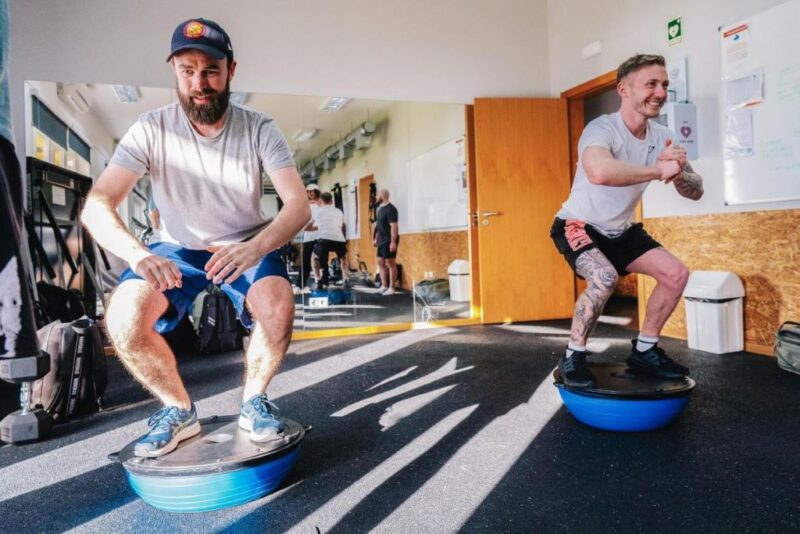
- Bosu Ball Squats: Replicate unstable surf conditions.
- Slacklining: Enhances foot control and lower body balance.
- Yoga Poses (Tree, Warrior III): Improve static balance and flexibility.
Research from the National Strength and Conditioning Association shows surfers who train balance perform 20% better in choppy wave conditions. Even 10 minutes a day can deliver real improvements.
-
Paddling Power: Maximize Wave Access
Paddling is the engine behind surfing. If your shoulders fatigue too quickly, you miss waves—or worse, fail to escape a wipeout. Shoulder mobility and aerobic capacity determine your paddling performance.
Key Exercises:
- Resistance Band Rows: Target back and shoulder strength.
- Swimming Laps or Paddleboarding: Mimics surf endurance needs.
- Lat Pulldowns and Supermans: Fortify upper back posture and power.
Olympic surfer Kanoa Igarashi integrates high-rep swimming intervals into his off-season to maintain peak paddle performance. Data shows surfers with superior paddle stamina catch up to 25% more waves per session.
-
Cardiovascular Conditioning: Last Longer, Surf Harder
Endurance plays a silent but vital role. If your heart can’t keep up, your technique breaks down. A combination of aerobic and anaerobic training prepares you for both slow paddles and quick sprints.
Key Exercises:
- HIIT (High-Intensity Interval Training): Emulates the burst-rest rhythm of surfing.
- Trail Running: Builds lower-body stamina and lung capacity.
- Rowing Machine Sprints: Mimic paddling motion while building endurance.
According to a study in the International Journal of Sports Physiology and Performance, surfers with higher VO2 max levels showed improved positioning and reaction times in competitions.

-
Mobility & Flexibility: Unlock Your Full Range
Tight hips or shoulders can hold you back. Surfing demands a wide range of motion in the spine, hips, and shoulders. Without mobility, your body compensates with inefficient movements.
Key Exercises:
- Dynamic Stretching Routines: Shoulder rolls, leg swings, thoracic rotations.
- Foam Rolling: Improves blood flow and reduces recovery time.
- Sun Salutations (Yoga): Boosts whole-body flexibility.
Kelly Slater, 11-time World Surf League champion, credits daily stretching and yoga for his longevity and peak performance well into his 40s.
Expert Tips for Surf Training
- Train Functionally: Prioritize compound movements over isolated muscle training.
- Consistency Matters: Aim for 4–5 sessions a week, mixing intensity and focus.
- Warm-Up Religiously: Cold muscles equal higher injury risk.
- Track Progress: Log your workouts and note improvements in water.
Featured Snippet:
What are the best surf training tips to boost wave performance?
To boost wave performance, focus on functional exercises that replicate surfing movements. Incorporate core workouts, explosive pop-up drills, balance training, and endurance routines. Regular swimming or paddling also enhances surf-specific cardio. Flexibility work, such as yoga, prevents injuries and promotes smoother transitions. Studies suggest that surfers who train with a combination of strength and endurance routines experience up to 30% more wave time. Additionally, dryland pop-up drills can shave valuable milliseconds off your reaction time. Aim to train at least four days a week, mixing resistance, mobility, and balance work.
Real Examples of Surf-Focused Workouts
Professional surf camps like Surf Simply in Costa Rica design land-based training programs focused on core, mobility, and breath control. Red Bull’s athlete development programs for surfers include underwater breath-hold drills, BOSU squats, and proprioception circuits.
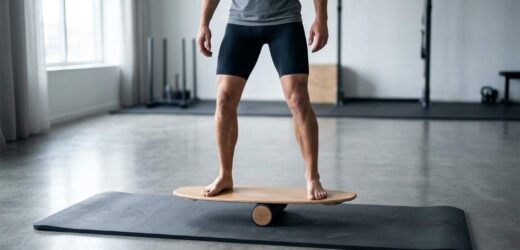
You don’t need an elite gym to get started. Even a yoga mat, resistance bands, and a balance board can create an effective home-based surf training routine.
How to Master the Huntington Hop: A Step-by-Step Guide to this Classic Surfboard Trick
Surf Training FAQs
- How often should I train for surfing?
Four to five sessions per week with mixed focuses (strength, cardio, mobility) is ideal for progress and recovery. - Is yoga good for surfing?
Yes. Yoga improves flexibility, breathing control, and balance—all critical for wave performance. - Can I improve surfing without water access?
Absolutely. Dryland exercises like pop-up drills, core workouts, and cardio simulate key surfing movements. - What’s the best cardio for surfers?
Swimming and HIIT workouts closely mimic the surf environment and pacing. - Should I lift weights for surfing?
Functional weightlifting—like kettlebell swings and deadlifts—enhances surf strength without limiting flexibility. - What’s the top reason for surfing fatigue?
Poor paddle endurance and weak core stability are the most common culprits of early burnout. - Are surf balance boards worth it?
Yes. They develop quick reflexes and lower-body control, simulating board instability on land.
Final Thought
Mastering the waves doesn’t begin and end in the water. A well-structured surf training plan is your secret weapon for explosive rides, fewer wipeouts, and longer surf sessions. Focus on core stability, explosive pop-ups, balance drills, and tailored cardio routines. These aren’t just exercises—they’re performance multipliers.
As surf legend Laird Hamilton once said, “Training is the key that unlocks your potential when you’re out there.” Invest in the right moves now, and you’ll feel the difference the next time you drop into a wave.
Read More:
How to Rack a Surfboard on a Car