

The ocean, a vast and dynamic entity, speaks a language all its own. It whispers secrets in the rustle of seafoam, shouts warnings in the crashing of breakers, and offers a playground of endless possibilities to those who understand its rhythms. “Read the waves” is more than just a catchy phrase; it’s the key to unlocking this watery world, whether you’re a surfer seeking the perfect ride, a sailor navigating treacherous currents, or simply someone wanting to appreciate the ocean’s majesty. This article delves into the true meaning of “read the waves,” exploring its nuances, offering insights into its practical applications, and addressing frequently asked questions to help you better understand this essential skill.
What Does “Read the Waves” Truly Mean?
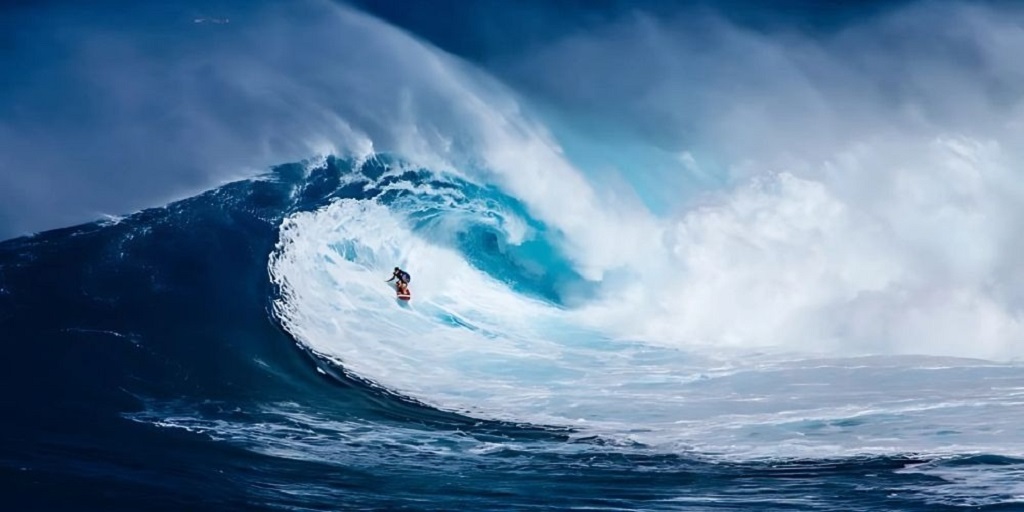
At its core, “read the waves” refers to the ability to interpret the subtle cues and patterns of ocean waves to anticipate their behavior. It’s a skill honed through observation, experience, and a deep understanding of the forces that shape the sea. It’s not just about seeing a wave; it’s about understanding where it came from, where it’s going, and what it will do next. Think of it as learning the language of the ocean – a language spoken in swells, troughs, peaks, and breaks.
Reading the waves encompasses several key elements:
- Understanding Wave Formation: Waves are primarily generated by wind. The strength, duration, and fetch (the distance over which the wind blows) all contribute to the size and power of a wave. Understanding these factors helps you predict the type of waves you’ll encounter. For example, long-period swells, generated by storms far out at sea, travel great distances and often result in clean, organized waves ideal for surfing. Short-period waves, on the other hand, are typically generated by local winds and tend to be choppier and less organized.
- Identifying Wave Characteristics: Experienced wave readers pay close attention to various wave characteristics:
- Swell Direction: Knowing the direction from which the swell is approaching is crucial for predicting how waves will break. This is often indicated by the angle of the approaching waves relative to the shoreline.
- Wave Height and Period: Wave height is the vertical distance between the trough and the crest, while the wave period is the time between successive wave crests passing a fixed point. These factors determine the power and size of the wave.
- Wave Shape: Waves can be categorized by their shape – from gentle rolling swells to steep, powerful barrels. The shape of a wave indicates its potential for surfing and other water sports.
- Break Point: This is the point where the wave begins to collapse or “break.” Identifying the break point is essential for surfers to position themselves correctly and for sailors to avoid dangerous areas.
- Recognizing Patterns and Sets: Waves often arrive in sets, which are groups of larger waves followed by lulls. Learning to recognize these patterns allows surfers to anticipate the best waves and helps sailors navigate more safely.
- Considering Local Conditions: Local factors such as tides, currents, and the shape of the seabed can significantly influence wave behavior. Understanding these local conditions is vital for accurate wave reading.
- Developing Intuition: While there are scientific principles involved, reading the waves also involves a degree of intuition. Experienced surfers and sailors develop a “feel” for the ocean, allowing them to anticipate wave behavior even without consciously analyzing every detail.
Practical Applications of Reading the Waves:
The ability to read the waves is essential for a variety of activities:
- Surfing: For surfers, reading the waves is the foundation of their sport. It enables them to find the best waves, position themselves for optimal takeoffs, and ride the wave effectively. Understanding wave dynamics allows surfers to perform maneuvers and navigate the wave’s changing shape.
- Sailing: Sailors rely on their wave-reading skills to navigate safely and efficiently. By understanding wave patterns, they can anticipate changes in wind and sea conditions, adjust their sails accordingly, and avoid dangerous areas.
- Swimming and Water Safety: Even swimmers can benefit from understanding wave behavior. Recognizing rip currents, for example, is crucial for water safety. Knowing how waves break can also help swimmers avoid being caught in powerful surf.
- Coastal Observation and Forecasting: Scientists and coastal managers use wave data to study coastal erosion, predict storm surges, and develop effective coastal management strategies.
Reviews and Testimonials (Fictional Examples):
- “Learning to read the waves has completely transformed my surfing. I’m now able to anticipate wave breaks and position myself perfectly for the best rides. It’s like I’ve unlocked a secret code to the ocean!” – Sarah J., Surfer
- “As a sailor, reading the waves is not just a skill, it’s a necessity. It allows me to navigate safely and efficiently, even in challenging conditions. It’s given me a deeper respect for the power of the ocean.” – David L., Sailor
- “I never realized how much information was hidden in the waves until I started learning to read them. It’s fascinating to see how the ocean’s energy manifests in different wave patterns.” – Maria K., Coastal Observer
Read More Also: How to Rack a Surfboard on a Car: A Comprehensive Guide
Frequently Asked Questions (FAQ):
-
Q: How can I learn to read the waves?
- A: The best way to learn is through observation and experience. Spend time at the beach, watch the waves, and try to identify patterns. Consider taking surfing lessons or sailing courses, where you can learn from experienced instructors. Reading books and articles on oceanography and wave dynamics can also be helpful.
-
Q: What are some key things to look for when reading the waves?
- A: Pay attention to swell direction, wave height and period, wave shape, and break point. Also, consider local conditions such as tides, currents, and the shape of the seabed.
-
Q: How long does it take to become proficient at reading the waves?
- A: It takes time and practice. The more time you spend in the water, observing and learning, the better you’ll become at reading the waves. It’s a continuous learning process.
-
Q: Are there any tools or resources that can help me learn?
- A: Yes, there are many resources available, including surf forecasting websites, tide charts, and books on oceanography. These resources can provide valuable information to supplement your observations.
-
Q: What are some common mistakes people make when trying to read the waves?
- A: One common mistake is focusing only on the surface of the water and not considering the underlying swell. Another mistake is ignoring local conditions. It’s important to take a holistic approach and consider all the factors that influence wave behavior.
-
Q: Is reading the waves only important for surfers and sailors?
- A: No, even swimmers and beachgoers can benefit from understanding wave behavior. Recognizing rip currents and understanding how waves break can improve water safety.
-
Q: How does technology play a role in wave forecasting?
- A: Modern technology, including satellites, buoys, and computer models, plays a significant role in wave forecasting. These tools provide valuable data that helps meteorologists predict wave conditions. However, even with advanced technology, the ocean remains a complex system, and there’s always an element of uncertainty.
Conclusion:
“Read the waves” is more than just a skill; it’s a connection to the ocean’s rhythm. It’s about understanding the language of the sea, anticipating its moods, and respecting its power. Whether you’re a seasoned surfer, a passionate sailor, or simply someone who appreciates the beauty of the ocean, learning to read the waves will deepen your understanding of this dynamic environment and enhance your experience in the water. It’s a journey of continuous learning and observation, a journey that will reward you with a deeper appreciation for the ocean’s majesty.