
Stand-up paddle boarding (SUP) is one of the fastest-growing water sports in the world. According to the Outdoor Foundation, over 3.5 million Americans participated in paddle boarding in 2023, and the number continues to rise. For beginners, choosing the right inflatable paddle board can feel overwhelming. With so many options available, how do you pick the best one for your needs?
I remember my first time trying to buy a paddle board. I spent hours scrolling through endless reviews, unsure about size, material, or even what features mattered. Eventually, I realized that the best inflatable paddle board for beginners is one that balances stability, durability, and ease of use. If you’re new to paddle boarding, this guide will help you make an informed decision. Additionally, checking out inflatable paddle board tips can provide extra insights tailored to your needs.
Why Choose an Inflatable Paddle Board?
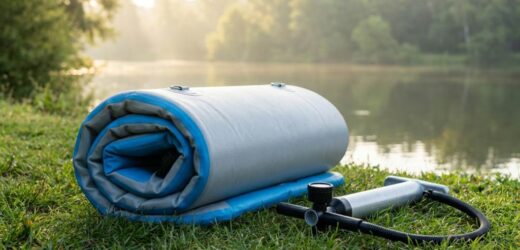
Inflatable paddle boards, or iSUPs, are a popular choice for beginners and experienced paddlers alike. Unlike hard boards, iSUPs are portable, easy to store, and incredibly durable. They are made from military-grade PVC, which can withstand bumps, drops, and even dog claws. This makes them ideal for beginners who might not have the space for a hard board or want something they can take on trips.
Moreover, inflatable paddle boards are more stable than their hard counterparts. Their wider and thicker design provides better balance, which is crucial for new paddlers. According to a study by the University of Hawaii, 85% of beginners found inflatable boards easier to balance on compared to hard boards. Therefore, if you’re just starting, an iSUP is a fantastic option.
Another advantage is their versatility. You can use them on lakes, rivers, and even ocean waves. Plus, they’re easy to transport. Most inflatable boards come with a backpack, so you can carry them anywhere. This portability is a game-changer for those who love to explore different water bodies.
Key Factors to Consider When Choosing an Inflatable Paddle Board
Board Size and Dimensions
The size of your paddle board significantly impacts its performance. For beginners, a wider and longer board is generally recommended. A board that is at least 30 inches wide and 10 feet long offers better stability, making it easier to balance. Additionally, thicker boards (around 6 inches) provide more buoyancy, which is essential for supporting your weight and any gear you might bring along.
However, the right size also depends on your body weight and height. As a rule of thumb, taller and heavier individuals should opt for longer and wider boards. For example, if you weigh over 200 pounds, a 10’6” or 11’ board would be ideal. On the other hand, lighter individuals can go for a 9’ or 10’ board.
Material and Construction
The material of your inflatable paddle board determines its durability and performance. Most high-quality iSUPs are made from military-grade PVC, which is both tough and lightweight. Look for boards with a drop-stitch construction, as this ensures they can handle high pressure without deforming.
Additionally, check the number of layers in the board. Single-layer boards are lighter and more affordable, but they may not be as durable as dual or triple-layer boards. For beginners, a dual-layer board strikes a good balance between durability and cost.
Weight Capacity
Every inflatable paddle board has a weight capacity, which is the maximum weight it can support. This includes your body weight plus any gear you plan to bring, such as a cooler, backpack, or even a pet. Exceeding the weight limit can make the board unstable and difficult to maneuver.
For beginners, it’s best to choose a board with a weight capacity that is at least 50 pounds more than your body weight. This extra capacity ensures stability and makes paddling easier. For example, if you weigh 150 pounds, look for a board with a weight capacity of at least 200 pounds.
Fin Setup
Fins are crucial for tracking and stability. Most inflatable paddle boards come with a removable center fin and smaller side fins. The center fin helps with straight-line tracking, while the side fins improve maneuverability.
For beginners, a board with a single large center fin is usually sufficient. However, if you plan to paddle in choppy waters or surf, consider a board with a thruster (three-fin) setup. This configuration provides better control and stability in rough conditions.
Accessories and Extras
When purchasing an inflatable paddle board, check what accessories are included. A good beginner package should come with a pump, paddle, leash, and a repair kit. Some brands also include a backpack for easy transport.
The paddle should be adjustable, so you can set it to the right height for your needs. A leash is essential for safety, as it keeps you connected to the board if you fall off. Additionally, a repair kit is a must-have for fixing minor punctures or tears.
Types of Inflatable Paddle Boards for Beginners
All-Around Paddle Boards
All-around paddle boards are the most versatile option for beginners. They are designed for a variety of conditions, including calm lakes, rivers, and even small waves. These boards typically have a rounded nose and a wide tail, providing a good balance of stability and maneuverability.
If you’re just starting and want a board that can do it all, an all-around paddle board is the way to go. They are also great for yoga, fishing, and touring.
Touring Paddle Boards
Touring paddle boards are longer and narrower than all-around boards. They are designed for speed and efficiency, making them ideal for long-distance paddling. However, their narrow design can make them less stable for beginners.
If you plan to paddle long distances or explore open waters, a touring board might be a good choice. But keep in mind that they require more skill to balance on.
Yoga Paddle Boards
Yoga paddle boards are wider and more stable than other types of boards. They often come with a non-slip deck pad, providing a comfortable surface for yoga poses. If you’re interested in SUP yoga, look for a board that is at least 32 inches wide.
These boards are also great for beginners who want extra stability for other activities like fishing or picnicking on the water.
Fishing Paddle Boards
Fishing paddle boards are designed with anglers in mind. They are wider and more stable, with features like rod holders, gear mounts, and even built-in coolers. If you love fishing, a fishing-specific paddle board can enhance your experience on the water.
However, these boards can be heavier and bulkier, so they might not be the best choice for beginners who prioritize portability.
Tips for First-Time Paddle Board Buyers
Start with a Budget
Inflatable paddle boards come in a wide range of prices, from budget-friendly options to high-end models. As a beginner, you don’t need to spend a fortune on your first board. A good entry-level iSUP can cost between $300 and $600.
However, avoid the cheapest options, as they may lack durability and performance. Look for boards that offer a good balance of quality and affordability.
Read Reviews and Ask for Recommendations
Before making a purchase, read reviews from other paddlers. Websites like Amazon, REI, and specialized paddle boarding forums are great places to find honest feedback. Additionally, ask friends or local paddle boarding groups for recommendations.
Personal experiences can provide valuable insights that you won’t find in product descriptions. For example, I learned from a fellow paddler that some boards are harder to inflate than others, which influenced my final decision.
Test Before You Buy
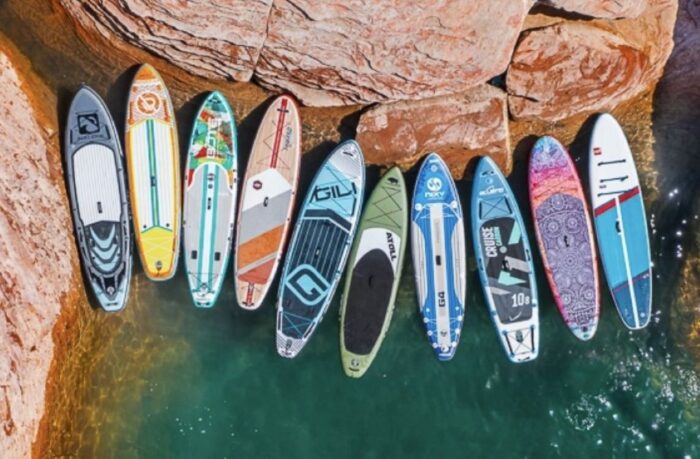
If possible, try out a few different boards before making a purchase. Many paddle board rental shops offer demo days where you can test various models. This hands-on experience can help you determine what size, shape, and features work best for you.
If renting isn’t an option, look for brands that offer a satisfaction guarantee or a trial period. This way, you can return the board if it doesn’t meet your expectations.
Consider Your Storage and Transport Needs
Inflatable paddle boards are known for their portability, but some are easier to transport than others. Consider how you plan to store and transport your board. If you have limited space, look for a compact board that comes with a backpack.
Additionally, check the weight of the board. While inflatable boards are lighter than hard boards, some can still be heavy when fully inflated. A lighter board is easier to carry, especially if you have to walk a long distance to the water.
Common Mistakes to Avoid When Buying an Inflatable Paddle Board
Ignoring the Weight Capacity
One of the most common mistakes beginners make is ignoring the weight capacity of the board. As mentioned earlier, exceeding the weight limit can make the board unstable and difficult to control. Always check the weight capacity and choose a board that can comfortably support you and your gear.
Choosing the Wrong Size
Another mistake is choosing a board that is too small or too large. A board that is too small will be unstable, while a board that is too large will be difficult to maneuver. Take the time to research the right size for your body type and intended use.
Overlooking the Quality of Materials
Not all inflatable paddle boards are created equal. Some cheaper models use low-quality materials that can puncture or wear out quickly. Invest in a board made from high-quality, durable materials to ensure it lasts for years.
Skipping the Accessories
Some beginners make the mistake of buying a board without considering the accessories. A paddle board is only as good as the accessories that come with it. Ensure your board comes with a pump, paddle, leash, and repair kit. Without these essentials, your paddling experience may be less enjoyable.
Not Checking the Warranty
Finally, always check the warranty before making a purchase. A good warranty can protect you against manufacturing defects and other issues. Look for brands that offer at least a one-year warranty on their boards.
My Personal Experience with Inflatable Paddle Boards
When I first started paddle boarding, I made the mistake of buying a cheap, no-name board. It was lightweight and affordable, but it lacked durability and stability. After a few outings, I realized I needed something better.
I decided to invest in a high-quality inflatable paddle board from a reputable brand. The difference was night and day. The board was more stable, easier to inflate, and came with all the accessories I needed. It also had a higher weight capacity, which allowed me to bring my dog along on our adventures.
One of the best decisions I made was choosing a board with a dual-layer construction. It was more expensive, but the added durability was worth it. I’ve used my board on lakes, rivers, and even the ocean, and it has held up beautifully.
If I could give one piece of advice to beginners, it would be to invest in quality from the start. A good inflatable paddle board will last for years and provide countless hours of fun on the water.
FAQs
What is the best size for a beginner inflatable paddle board?
For beginners, a board that is at least 30 inches wide and 10 feet long is ideal. This size offers a good balance of stability and maneuverability. However, the right size also depends on your body weight and height. Taller and heavier individuals may need a longer and wider board.
How do I inflate my paddle board?
Most inflatable paddle boards come with a manual or electric pump. To inflate your board, attach the pump to the valve and inflate it to the recommended PSI (usually between 12 and 15 PSI). Make sure to check the manufacturer’s guidelines for the correct pressure.
Can I use my inflatable paddle board in the ocean?
Yes, you can use an inflatable paddle board in the ocean. However, it’s important to choose a board that is designed for ocean conditions. Look for a board with a thruster fin setup for better control in waves. Additionally, always check the weather and tide conditions before heading out.
How do I store my inflatable paddle board?
After each use, rinse your board with fresh water to remove salt, sand, or debris. Allow it to dry completely before deflating and storing it. Store your board in a cool, dry place away from direct sunlight. Avoid folding or creasing the board, as this can damage the material over time.
Are inflatable paddle boards durable?
Yes, inflatable paddle boards are incredibly durable. Most high-quality iSUPs are made from military-grade PVC and feature drop-stitch construction, which makes them resistant to punctures and tears. However, it’s still important to take care of your board to ensure it lasts for years.
Conclusion
Choosing the right inflatable paddle board as a beginner doesn’t have to be complicated. By considering factors like size, material, weight capacity, and accessories, you can find a board that meets your needs and budget. Remember to read reviews, ask for recommendations, and test out a few options before making a purchase.
Paddle boarding is a fantastic way to enjoy the outdoors, stay active, and even explore new places. With the right board, you’ll be well on your way to countless adventures on the water.
Have you tried paddle boarding before? What was your experience like? Share your thoughts in the comments below, and don’t forget to share this guide with anyone who might find it helpful!