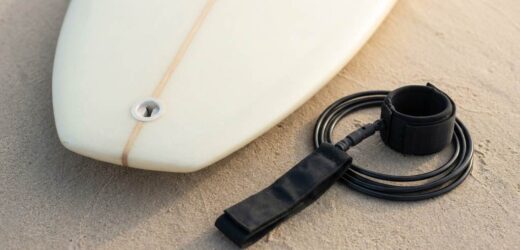

Ready to hit the waves but unsure how to put a leash on a surfboard? Don’t worry, you’re not alone! Properly attaching your surfboard leash is crucial for your safety and the safety of others in the water. This comprehensive guide will walk you through each step, ensuring you’re ready to surf with confidence. We’ll cover everything from selecting the right leash to the final secure attachment.
Understanding Surfboard Leashes and Their Importance
A surfboard leash is more than just an accessory; it’s a vital safety tool. It connects you to your board, preventing it from drifting away and potentially harming other surfers or swimmers. Ensuring you know how to put a leash on a surfboard correctly minimizes risks and maximizes your surfing experience.
- Safety First: Prevents board loss and collisions.
- Convenience: Keeps your board within reach after wipeouts.
- Legal Requirements: Some beaches mandate leash usage.
Choosing the Right Surfboard Leash

Before learning how to put a leash on a surfboard, selecting the appropriate leash is essential. Leashes come in various lengths and thicknesses, tailored to different surfing conditions and board sizes.
Leash Length and Thickness
- Shortboard Leashes: Typically 6-7 feet, designed for maneuverability in smaller waves.
- Longboard Leashes: 9-10 feet, offering more reach for larger boards.
- Comp Leashes: Thinner and lighter, used in competition for minimal drag.
- Standard Leashes: Durable and versatile for everyday surfing.
- Big Wave Leashes: Thick and strong, built to withstand extreme conditions.
Leash Quality and Features
- Swivels: Prevent tangling.
- Rail Savers: Protect your board’s tail.
- Key Pocket: Convenient storage for your car key.
- Velcro Closure: Secure and adjustable fit.
Step-by-Step Guide: How to Put a Leash on a Surfboard
Now, let’s dive into the practical steps of how to put a leash on a surfboard. Follow these instructions for a secure and proper attachment with the perfect surfing board.
1. Identify the Leash Plug
The leash plug is a small, recessed hole located near the tail of your surfboard. It’s where you attach the leash.
- Locate the plug on the tail of your board.
- Ensure it’s clean and free of debris.
2. Attach the Rail Saver
The rail saver is a piece of fabric or webbing that protects your board’s tail from the leash cord.
- Thread the rail saver’s loop through the leash plug.
- Make sure it lays flat against the board.
3. Thread the Leash Cord
Now, thread the leash cord through the rail saver.
- Pass the leash cord’s loop through the rail saver’s loop.
- Pull the leash cord through itself, creating a lark’s head knot.
4. Secure the Leash to Your Ankle
Finally, attach the leash to your ankle or calf using the Velcro strap.
- Position the leash strap comfortably around your ankle or calf.
- Fasten the Velcro securely.
- Ensure it’s snug but not too tight.
Important Checks Before Surfing
Before heading out, perform a few critical checks.
- Check the Leash: Inspect for any signs of wear or damage.
- Test the Attachment: Give the leash a firm tug to ensure it’s secure.
- Velcro Check: Ensure the Velcro is properly fastened.
Maintaining Your Surfboard Leash
Proper maintenance extends the life of your leash and ensures its reliability.
- Rinse After Use: Wash with fresh water to remove salt and sand.
- Inspect Regularly: Check for cuts, fraying, or weak points.
- Store Properly: Avoid leaving it in direct sunlight or extreme temperatures.
Troubleshooting Common Leash Issues
Even with careful attachment, issues can arise.
- Tangled Leash: Use leashes with swivels to minimize tangling.
- Broken Leash: Replace damaged leashes immediately.
- Loose Attachment: Ensure the rail saver and leash cord are securely fastened.
Advanced Tips for Surfboard Leash Usage
For seasoned surfers, here are a few advanced tips.
- Leash Positioning: Position the leash on your back foot for optimal control.
- Quick Release: Practice quickly releasing the leash in emergencies.
- Spare Leash: Always carry a spare leash for backup.
Why Proper Leash Attachment Matters
Understanding how to put a leash on a surfboard properly is not just a procedural step; it’s a commitment to safety and responsible surfing. It protects you and others, ensuring a smooth and enjoyable surfing experience.
Surfing Safety and Leash Usage
Surfing safety extends beyond just attaching your leash.
- Know Your Limits: Surf within your skill level.
- Respect Others: Be mindful of other surfers and swimmers.
- Check Conditions: Be aware of currents and tides.
Final Thoughts: Mastering Leash Attachment
Learning how to put a leash on a surfboard is a fundamental skill for any surfer. By following these steps and maintaining your equipment, you can ensure a safe and enjoyable surfing experience.
Now that you know how to put a leash on a surfboard, you’re ready to tackle the waves with confidence. Don’t let a poorly attached leash ruin your surf session. Before your next surf adventure, double-check your leash attachment and ensure it’s secure. Invest in a quality leash, and practice these steps until they become second nature. Take the next step and ensure your safety and enjoyment by double checking your surf leash before every session.