
A surfboard leash might look simple, yet it plays a critical role in both safety and performance. Many surfers underestimate its importance until a board slips away in strong waves. According to the U.S. Consumer Product Safety Commission, water sport related injuries often involve loss of equipment control, which a proper leash can prevent. In addition, studies from coastal safety groups show that using the correct surf board leash reduces collision risks significantly in crowded surf zones.
Choosing the right surfboard leash means more than picking any cord that connects your ankle to your board. It involves understanding wave conditions, board size, and personal skill level. With the right setup, you stay safer, conserve energy, and surf more confidently in any condition.
Why a Surfboard Leash Matters for Safety and Performance
A leash acts as your lifeline in the water. It keeps your board within reach after a wipeout, which reduces long swims and fatigue. Without it, your board can become a dangerous projectile, especially in crowded lineups.
At the same time, a good leash supports performance. It allows you to focus on your technique rather than worrying about losing your board. Surfers who use properly matched leashes often paddle back faster and maintain better rhythm between waves.

Key Benefits
- Prevents board loss in strong currents
- Reduces injury risk to other surfers
- Saves energy during long sessions
- Improves confidence in challenging waves
Understanding Surfboard Leash Components
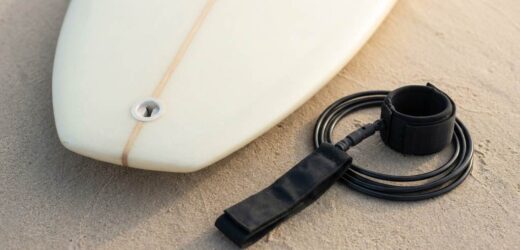
Before choosing the right leash, it helps to know its basic parts. Each component affects durability and comfort.
1. Cuff
The cuff wraps around your ankle or calf. High quality cuffs use soft padding and strong Velcro. A comfortable cuff prevents irritation during long sessions.
2. Cord
The cord is the main connection between you and your board. Thickness and length vary depending on wave size and board type. Strong cords handle heavy waves better, while thinner ones reduce drag.
3. Rail Saver
This part protects your board from damage. It spreads tension across a wider area to avoid pressure cracks.
4. Swivels
Swivels prevent the leash from tangling. Double swivels offer better flexibility and smoother movement in the water.
How to Choose the Right Leash Length
Length is one of the most important factors. A wrong size can affect both safety and control.
General Rule
Your leash should match your surfboard length. For example, a 6 foot board pairs with a 6 foot leash.
Adjust Based on Conditions
- Small waves: choose equal length for better control
- Medium waves: add extra length for flexibility
- Big waves: go longer to avoid snap back force
A longer leash reduces tension during wipeouts. However, too long can increase drag and slow performance. Balance is key.
Choosing the Right Leash Thickness
Thickness directly affects strength and drag. Many surfers overlook this detail, but it makes a big difference.
Common Thickness Options
- 5 mm to 6 mm for small waves
- 6 mm to 7 mm for all around use
- 7 mm and above for big wave surfing
Thicker cords handle more force. However, they create more resistance in the water. As a result, advanced surfers often prefer thinner leashes in clean conditions for better speed.
Matching Your Leash to Wave Conditions
Wave size and power should guide your decision. Using the wrong leash can lead to breakage or poor performance.
Small Waves
Light and thin leashes work best. They reduce drag and help maintain speed.
Medium Waves
All around leashes provide a balance of strength and flexibility. These are ideal for most surfers in everyday conditions.
Big Waves
Heavy duty leashes are essential. They prevent snapping under pressure and keep your board close even in strong currents.
Ankle vs Calf Leashes: Which One Should You Choose
Placement also affects comfort and control.
Ankle Leashes
Most surfers prefer ankle leashes. They feel natural and allow quick movement. Beginners and intermediate surfers usually find them easier to manage.
Calf Leashes
Calf leashes sit higher on the leg. Longboard surfers often choose them because they reduce tangling while walking on the board.
Materials and Durability Considerations
Modern leashes use advanced materials that improve strength and flexibility.
Common Materials
- Urethane cords for elasticity
- Neoprene cuffs for comfort
- Stainless steel swivels for corrosion resistance
Saltwater exposure can weaken materials over time. Regular inspection helps avoid unexpected failures. If you notice cracks or stiffness, replace your leash promptly.
Tips for Maximizing Safety and Performance
Choosing the right leash is only part of the equation. How you use it also matters.
Best Practices
- Rinse your leash with fresh water after every session
- Avoid stepping on the cord to prevent hidden damage
- Check Velcro strength regularly
- Replace worn parts before they fail
Consistent maintenance extends the life of your leash and ensures reliable performance.
Common Mistakes to Avoid
Even experienced surfers make simple mistakes when choosing leashes.
- Using a leash that is too short for big waves
- Ignoring thickness requirements
- Choosing comfort over durability in heavy surf
- Skipping regular inspections
Avoiding these mistakes improves both safety and surfing experience.
Conclusion
Choosing the right surfboard leash is not just a minor detail. It directly impacts your safety, confidence, and overall performance in the water. By understanding leash length, thickness, materials, and wave conditions, you can make smarter decisions that match your surfing style.
Take a few minutes to evaluate your current leash setup. Upgrade if needed and maintain it regularly. A well chosen leash keeps you safe, helps you surf better, and lets you enjoy every wave with confidence.
FAQs
What size surfboard leash should I use
Match your leash length to your board length. Add extra length for bigger waves to reduce tension during wipeouts.
How often should I replace my leash
Replace it when you see cracks, stiffness, or weakened Velcro. Frequent surfers often change leashes every season.
Can a leash affect surfing performance
Yes, thinner leashes reduce drag and improve speed. Thicker ones provide more strength but may slow movement slightly.
Is a calf leash better than an ankle leash
It depends on your surfing style. Longboard surfers often prefer calf leashes, while most shortboard surfers choose ankle leashes.
Do I need different leashes for different waves
Yes, using the right leash for wave conditions improves safety and performance. Light waves need thinner cords, while heavy waves require stronger ones.