Foil surfing is one of the most exciting water sports in the world right now. It looks almost like magic. A surfer glides above the water, lifted by a wing-like structure attached beneath the board. However, learning to foil surf can feel overwhelming at first. The good news is that with the right approach, you can make faster progress than you expect.
This guide breaks down everything you need to know. You will find practical tips, simple tricks, and clear steps to help you get up and flying sooner. Whether you are a complete beginner or someone who has tried a few sessions without success, this article is for you.
What Is Foil Surfing and How Does It Work
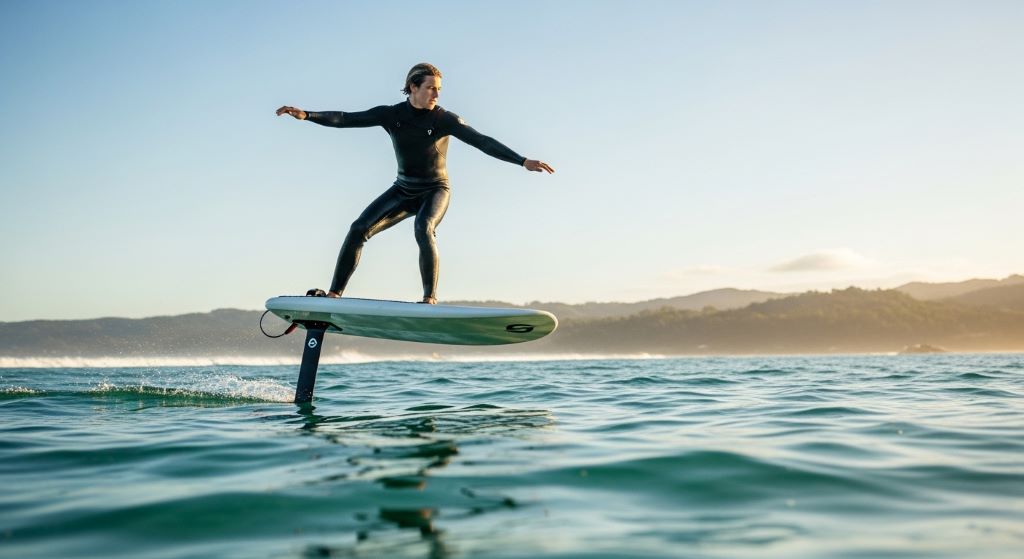
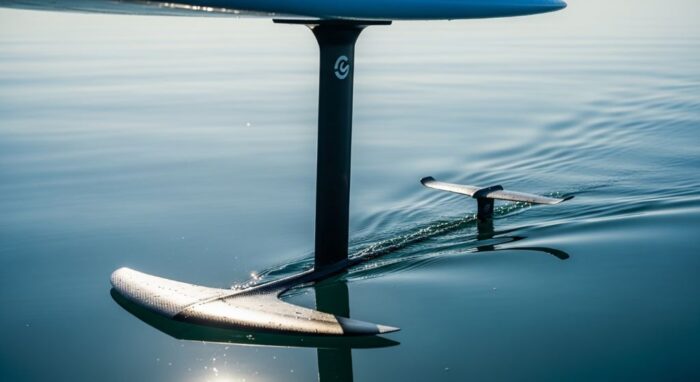
Foil surfing, also called hydrofoil surfing, uses a special board fitted with a hydrofoil. The hydrofoil is a metal or carbon mast with a wing attached at the bottom. As the board picks up speed, the wing generates lift. This lift raises the board above the surface of the water.
The result is a smooth, frictionless ride. There is almost no drag because the board is no longer touching the water. Therefore, you can ride much smaller waves than traditional surfing allows. Additionally, foiling feels completely different from any other board sport. Many riders describe it as flying.
Understanding how the foil works will help you learn faster. The front wing provides lift. The rear stabilizer controls pitch. The mast connects everything to the board. When you shift your weight forward, the board dips. When you shift it back, the board rises. This balance is the foundation of foil surfing.
Choosing the Right Equipment to Start Faster
Your equipment makes a huge difference when you are learning. Choosing the wrong gear can slow your progress significantly. Therefore, spend time selecting the right setup before you hit the water.
Pick a Beginner-Friendly Board
A larger, wider board gives you more stability. Beginners should look for a board that is at least 5 feet long and has good volume. More volume means more buoyancy. This makes it easier to paddle and pop up. Avoid small, thin boards until you have solid foiling skills.
Choose a Large Front Wing
The size of the front wing determines how much lift you get and at what speed. A larger wing generates lift at lower speeds. This means you do not need to go as fast to get airborne. However, large wings can feel a bit wobbly at high speeds. For learning, a larger wing is almost always the better choice.
Use a Shorter Mast
A shorter mast keeps you closer to the water. This reduces the height of any falls and gives you more control. Most beginners do best with a mast between 60 and 75 centimeters. Additionally, a shorter mast makes corrections easier because the foil has less leverage.
Simple Tricks to Speed Up Your Learning Process
Learning to foil surf does not have to take months. There are proven methods that help you progress much faster. Here are the most effective tricks that experienced foilers use to teach beginners.
Start on Flat Water
Ocean waves can be intimidating when you are just starting out. Therefore, begin your practice on a calm lake or a flat section of ocean. Flat water allows you to focus on balance and foot position without worrying about waves. Many top foilers say this single trick saved them weeks of frustration.
Practice on Land First
Before you even touch the water, practice your stance on land. Lay your board on a soft surface like grass. Step onto the board and find your balance point. Try shifting your weight forward and backward. This muscle memory will help you react faster once you are on the water.
Use a Leash and Helmet
Safety is important in foil surfing. The foil edges can be sharp, and falls happen often when learning. Always wear a helmet and use a leash. Additionally, consider wearing an impact vest. These precautions let you focus on learning rather than worrying about injuries.
Get Towed Before You Paddle
One of the best tricks for faster progress is to try tow foiling first. Have a friend on a boat or jetski pull you at a steady speed. This removes the difficulty of catching a wave and lets you focus only on standing up and balancing on the foil. Once you master this, paddling into waves becomes much easier.
Mastering Your Body Position for Better Control
Body position is everything in foil surfing. Even small adjustments in your stance can make a big difference. Understanding where to place your feet and how to hold your body will help you foil more consistently.
Find Your Front Foot Sweet Spot
Your front foot controls the pitch of the foil. Pressing forward lowers the nose. Easing back raises it. The key is finding the neutral point where the foil hovers steadily. This point is different for every rider and every board setup. Therefore, take time to experiment in calm water until you find your sweet spot.
Keep Your Knees Bent
Bent knees act like shock absorbers. They help you absorb small bumps and corrections without losing balance. Many beginners make the mistake of straightening their legs when they get nervous. However, this actually reduces your control. Keep your knees soft and slightly bent at all times.
Look Ahead, Not Down
Looking at your feet is a natural instinct when learning. However, it throws off your balance and limits your reaction time. Train yourself to look ahead, toward where you want to go. This improves your balance and helps you read the water better. Additionally, it gives you more time to react to changes.
Common Mistakes to Avoid When Learning to Foil Surf
Many beginners make the same errors over and over. Knowing what these mistakes are can help you avoid them entirely. Therefore, review this list before your next session.
- Putting too much weight on the back foot, which causes the foil to rocket upward suddenly
- Standing too upright, which reduces your ability to balance and react
- Trying to learn on a day with heavy chop or large waves
- Using equipment that is too advanced for your skill level
- Skipping the land practice and going straight into the water
- Paddling too slowly to generate enough speed for the foil to lift
Each of these mistakes adds time to your learning curve. Additionally, some of them increase your risk of injury. Avoiding them from the start gives you a clear path to faster progress.
Building Your Skills Step by Step
Foil surfing has a clear progression path. Moving through each stage in order will help you build skills properly. Skipping steps often leads to frustration and bad habits.
Stage One: Prone Foiling or Kneeling
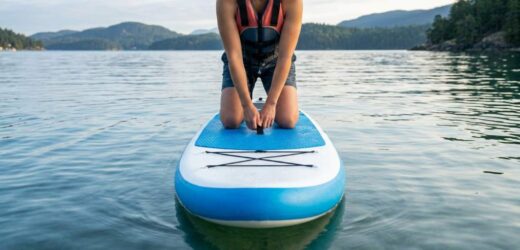
Begin by paddling the foil board while lying flat or kneeling. Get comfortable with how the foil feels when it starts to lift. You will notice the board start to rise as speed increases. Practice letting it rise just a little before letting off the gas. This builds your feel for the foil.
Stage Two: Standing Up on Small Waves
Once you are comfortable lying and kneeling, try standing. Start on very small, gentle waves. Pop up to your feet and try to stay balanced without the foil fully lifting. Just ride the board like a regular surfboard at first. However, notice how it feels different from a regular board due to the foil’s influence.
Stage Three: First Full Takeoffs
When you feel stable standing, start trying to get the board to fully lift. Ride a wave, stand up, and gradually shift your weight back just slightly. The foil will begin to rise. Try to hold the height steady. Come back down gently by pressing your front foot forward. Repeat this until it feels natural.
Stage Four: Sustained Foiling
The final beginner stage is learning to foil for longer distances without coming down. This requires a smooth, consistent weight distribution. Additionally, you need to read the wave and pump the foil to maintain speed. At this stage, you are truly foil surfing. Everything after this point is about refinement and style.
How to Read Waves for Better Foil Surfing Sessions
Reading waves well is a skill that takes time. However, even basic wave knowledge can dramatically improve your foil sessions. Unlike regular surfing, foil surfing works best on smaller, slower waves. You do not need large swells to have a great ride.
Look for waves that are clean and consistent. Avoid choppy conditions when you are learning. Additionally, look for waves that have a long, gradual face rather than a steep, quick break. This gives you more time to get up and find your balance before the wave ends.
Wind direction matters too. Offshore winds create cleaner wave surfaces. Onshore winds create chop, which makes balancing on the foil harder. Therefore, try to plan your sessions for days with light offshore or calm winds. This one adjustment can make your practice much more productive.
Tips for Faster Progress in Every Session
Every session on the water is an opportunity to learn. However, not all sessions are equally productive. Here are some tips to make the most of your time in the water.
- Set a specific goal for each session, such as holding the foil up for five seconds
- Film yourself when possible so you can review your technique from the outside
- Practice in short bursts with rest in between rather than paddling endlessly while tired
- Go out with a more experienced foiler and ask for specific feedback
- Keep a short journal of what worked and what did not after each session
Additionally, taking a lesson from a qualified instructor can save you a lot of time. A good teacher can spot your mistakes immediately and give you targeted corrections. Even one or two lessons can dramatically shorten your learning curve.
Conclusion
Foil surfing is a thrilling sport that rewards patience and smart practice. The key to faster progress lies in choosing the right equipment, starting on flat water, and building your skills step by step. Simple tricks like land practice, tow foiling, and setting session goals can cut your learning time significantly.
Remember to keep your knees bent, look ahead, and avoid the common mistakes that hold most beginners back. Additionally, reading waves well and choosing good conditions will make every session more productive. With the right mindset and these practical tips, you will be gliding above the water before you know it.
Therefore, grab your foil board, pick a calm day, and put these tricks to work. Foil surfing may have a learning curve, but it is one of the most rewarding skills you will ever develop on the water.
Frequently Asked Questions
1. How long does it take to learn foil surfing?
Most beginners can achieve their first brief foil ride within three to five sessions. However, reaching a comfortable, sustained level of foiling usually takes between ten and twenty sessions. Progress depends on your surfing background, the quality of your equipment, and how consistently you practice.
2. Do I need to know how to surf before learning to foil surf?
Prior surfing experience is helpful but not absolutely necessary. People with no surfing background can still learn to foil, especially if they start with tow foiling or wake foiling. However, knowing how to paddle, pop up, and read waves will definitely speed up the process.
3. Is foil surfing dangerous?
Foil surfing carries more risk than regular surfing because of the sharp metal foil. Falls can result in cuts if the foil makes contact. Additionally, the higher speeds increase impact risk. However, wearing proper safety gear such as a helmet, impact vest, and booties greatly reduces the danger. Starting in calm, uncrowded water also lowers the risk significantly.
4. What type of waves are best for foil surfing?
Foil surfing works best on small to medium, clean waves with a gentle, gradual face. Unlike traditional surfing, you do not need large powerful swells. Even tiny one-foot waves can provide an excellent foil ride. Clean offshore conditions are ideal, particularly for beginners still developing their balance.
5. How much does a beginner foil surfing setup cost?
A complete beginner foil surfing setup typically costs between $1,000 and $2,500 USD. This includes the board, mast, fuselage, front wing, and rear stabilizer. Higher-end carbon fiber setups can cost significantly more. However, there are good quality entry-level options available that are well-suited for learning.
Related Topics:
Glide Without the Guilt: The Best Budget Electric Surfboards for an Affordable Ride
Finding Your Flow: The Best 7ft Surfboards for Stability and Performance