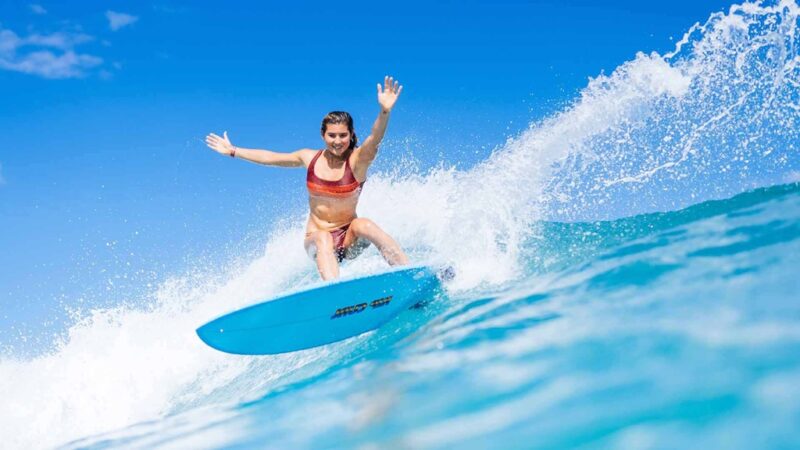
Dreaming of gliding across turquoise water, the sun on your back, and the pure thrill of riding a wave? Welcome to the world of surfing! It’s an incredible journey, but like any adventure, starting with the right gear is crucial. For aspiring wave riders, the name Catch Surf often pops up, and for good reason. Known for their vibrant designs, user-friendly shapes, and focus on fun, Catch Surfboards have become synonymous with accessible surfing. But with various models available, which one is truly the best for taking those first tentative steps?
This guide dives into the world of Catch Surf, exploring why these boards are fantastic for beginners and highlighting the top picks for 2025. We’ll cover everything from choosing the right size to caring for your new board, plus answer some frequently asked questions to ensure you paddle out with confidence. Get ready to start your stoke!
Why Catch Surf is a Beginner’s Best Friend
Stepping into a surf shop for the first time can be overwhelming. Rows of sleek, intimidating hardboards line the walls. Catch Surf offers a refreshing alternative, specifically catering to the joy and accessibility of surfing, especially for newcomers. Their secret sauce lies in a combination of thoughtful design and a focus on what truly matters when you’re learning: safety, ease of use, and maximum fun.
The most obvious feature is their soft foam deck. Unlike traditional fiberglass boards, Catch Surfboards have a forgiving, cushioned surface. This drastically reduces the risk of bumps, bruises, or worse if (or rather, when) you take a tumble. It makes the learning process less intimidating and allows you to focus on the fundamentals without fearing your equipment. But don’t let the “soft top” fool you; these aren’t flimsy pool toys. Catch Surf boards boast impressive durability, often featuring multiple wood stringers (usually three maple stringers) embedded within a stiff composite core. This provides rigidity and responsiveness often lacking in cheaper foam boards. The bottom is typically a slick HDPE (High-Density Polyethylene) material, similar to a bodyboard, which helps the board glide efficiently through the water.
Crucially for beginners, Catch Surfboards are engineered with generous volume. Volume, measured in liters, indicates a board’s buoyancy. High volume makes paddling significantly easier, helping you conserve energy and catch more waves. It also provides greater stability once you’re trying to pop up and stand, making those initial successful rides much more attainable. Combine this inherent stability with fun, retro-inspired designs and endorsements from surfing icons like Jamie O’Brien (who famously charges massive waves on Catch Surf models), and you have a brand that makes learning feel cool, safe, and incredibly enjoyable.
Top Catch Surfboard Picks for New Surfers in 2025
While Catch Surf offers various shapes, a few stand out as particularly well-suited for those just getting their feet wet (literally!). Here are the top contenders for 2025:
Catch Surf Odysea Log: The Ultimate Wave Catcher
If there’s one board synonymous with Catch Surf and beginner success, it’s the Odysea Log. As the name suggests, this board is designed for maximum float and effortless wave catching. Its classic longboard shape, typically featuring a rounded nose and ample width carried throughout the board, offers incredible stability. This makes paddling smooth and balanced, and popping up feels less like a precarious balancing act.
The Log excels in smaller, weaker waves often found at beginner-friendly spots, allowing you to get riding when other boards might struggle. It’s available in various lengths, commonly 7’0″, 8’0″, and 9’0″. For most adult beginners, the 8’0″ or 9’0″ provides the ideal platform to build confidence and maximize wave count. While incredibly stable, it still allows for basic turning once you find your feet. Its standard thruster (three-fin) setup offers reliable control. If your primary goal is to catch as many waves as possible and master the pop-up, the Odysea Log is arguably the best starting point in the Catch Surf lineup.
Catch Surf Odysea Skipper: Fun Fish for Progression
Ready for a little more pep? The Odysea Skipper takes the user-friendly foam construction and injects it into a classic fish shape. Recognizable by its wider outline and swallowtail, the Skipper offers a different feel compared to the Log. While still providing plenty of volume (available in sizes like 5’6″, 6’0″, and 6’6″), its design promotes more speed down the line and easier turning.
The Skipper often features a quad (four-fin) setup, enhancing its drive and hold on the wave face. It’s a fantastic option for beginners who are picking things up quickly, lighter riders who might find the Log a bit cumbersome, or those looking for a board that will facilitate progression into more intermediate maneuvers. It bridges the gap between pure beginner stability and performance, making it a super fun board that you won’t outgrow too quickly. It paddles well, catches waves easily (though perhaps slightly less effortlessly than the Log), and rewards improving technique with lively performance.
Catch Surf Odysea Plank: Classic Single-Fin Style
For beginners drawn to the timeless grace of traditional longboarding, the Odysea Plank offers that classic single-fin experience in a user-friendly foam package. Similar in length and volume to the Log (often found in 7’0″, 8’0″, 9’0″), the key difference lies in the fin setup. Riding a single fin promotes a smoother, more flowing style of surfing, encouraging longer, drawn-out turns and emphasizing trim (finding the sweet spot on the wave).
While perhaps slightly less forgiving for absolute first-timers compared to the thruster setup on the Log (which offers more immediate directional control), the Plank is still incredibly stable and easy to paddle due to its generous dimensions. It’s an excellent choice for those who envision themselves cruising down the line with style, walking the board, or simply enjoying the unique glide that only a single fin can provide. It catches waves with ease and offers a different pathway into the art of surfing.
Wave Bandit Easy Rider/Performer: The Budget-Friendly Cousin
You’ll often see Wave Bandit boards mentioned alongside Catch Surf, and there’s a close relationship (Wave Bandit is widely considered Catch Surf’s more budget-focused sister brand). Wave Bandit boards, like the popular Easy Rider (a longboard shape) and Performer (a funboard/mid-length shape), offer many of the same beginner benefits: soft foam construction, good volume, and durability. They are often championed by surf vlogger Ben Gravy, known for his infectious enthusiasm and “semi-pro” approach.
While they might feature slightly different internal construction or materials compared to the Odysea line (perhaps slightly less rigid), they represent incredible value and are fantastic tools for learning. They are stable, easy to paddle, safe, and perfectly capable of getting you hooked on surfing without the higher price tag of the main Catch Surf line. If budget is a primary concern, a Wave Bandit is a very worthy contender.
Related: How to Wax a Surfboard for Maximum Grip: A Step-by-Step Guide
Finding Your Perfect Catch Surf Size
Choosing the right size surfboard is arguably the most critical decision for a beginner. Too small, and you’ll struggle to paddle and stand up; too large, and it might feel unwieldy. For beginners, the golden rule is: Volume is your friend. Prioritize a board with ample volume for your weight and height, which generally translates to longer and wider boards within the Catch Surf range.
Here’s a very general guideline for Catch Surf Logs:
- Under 150 lbs (approx. 68 kg): A 7’0″ Log could work well.
- 150 – 200 lbs (approx. 68 – 90 kg): An 8’0″ Log is often the sweet spot.
- Over 200 lbs (approx. 90 kg+): A 9’0″ Log offers maximum stability and float.
For the Skipper, the 6’6″ is a popular choice for average-sized adults transitioning or wanting more maneuverability, while the 6’0″ might suit lighter individuals or those progressing faster. Remember, these are just starting points. Your fitness level and the types of waves you’ll be surfing also play a role. If possible, renting or demoing a board before buying is always the best approach. When in doubt, slightly bigger is usually better for learning.
Keeping Your Catch Surf Shred-Ready: Care Tips
Catch Surfboards are built tough, but a little care goes a long way in extending their lifespan and keeping them looking good.
- Rinse After Use: Always rinse your board with fresh water after each surf session to remove salt, sand, and grime.
- Avoid Excessive Heat/Sun: This is crucial! Prolonged exposure to direct sunlight or high heat (like inside a hot car) can cause the foam deck to bubble or delaminate and the colors to fade. Store your board in a cool, shaded place. A board bag offers excellent protection.
- Store Properly: Store it flat or standing on its tail (on a soft surface) when not in use. Avoid leaning it on its rail for extended periods, which can cause dents.
- Transport Carefully: When using roof racks, don’t overtighten straps, as this can dent or crease the rails. Use padding and, ideally, a board bag.
- Repair Minor Dings: For small punctures or cuts, use appropriate glues like clear Gorilla Glue or marine sealants (like 3M 5200 or Sikaflex 291). Do not use standard bodyboard repair glue (like Sponge Rez), as it can damage the core. Ensure the area is clean and dry before repairing.
- Wax On: Yes, you need to wax the deck for grip! Apply surf wax just like you would on a traditional hardboard. No special base coat is required.
Related: Mastering Surf Turns: How to Turn on a Surfboard Like a Pro
People Also Ask: Your Catch Surf Beginner Questions Answered
Q1: Are Catch Surfboards truly good for learning?
Absolutely. Their high volume makes paddling and wave catching easier, the soft deck minimizes injury risk, and their stable shapes help you master the pop-up and basic riding. They are durable and specifically designed with fun and accessibility in mind.
Q2: What size Odysea Log should I get as a beginner?
Refer to the weight guidelines above (7’0″ for lighter riders, 8’0″ for average adults, 9’0″ for heavier riders or maximum stability). Height and fitness also matter. Taller individuals might prefer a longer board. When in doubt, the 8’0″ is a very popular and versatile choice for most adult beginners.
Q3: Do I need to wax my Catch Surfboard?
Yes! The foam deck itself isn’t inherently grippy when wet. You need to apply surf wax to the area where you stand to prevent slipping off. Wax it regularly, just like any other surfboard.
Q4: What’s the difference between the Log and the Skipper for a beginner?
The Log (longboard shape, often thruster fins) offers maximum stability and the easiest wave-catching platform, ideal for pure beginners. The Skipper (fish shape, often quad fins) is more maneuverable and faster, better suited for beginners progressing quickly or those wanting a livelier feel from the start.
Q5: Are Wave Bandits the same as Catch Surf?
They are closely related brands, with Wave Bandit generally positioned as the more budget-friendly option. They share the core concepts of foam construction and beginner-friendly shapes. While Odysea models might have slightly higher-end construction details, Wave Bandits offer excellent value and are a fantastic starting point for learning.
Conclusion: Start Your Stoke with Catch Surf
Embarking on your surfing journey is an exciting prospect, and choosing the right board can make all the difference between frustration and exhilaration. Catch Surf has successfully carved out a niche by creating boards that prioritize fun, safety, and ease of use, making them an outstanding choice for beginners.
Whether you opt for the ultra-stable wave-catching machine that is the Odysea Log, the zippy progression-friendly Odysea Skipper, the classic cruising style of the Odysea Plank, or the excellent value of a Wave Bandit, you’re investing in a tool designed to get you up and riding with a smile on your face. Remember to choose the right size, take care of your board, and most importantly, embrace the learning process. The ocean awaits – grab your Catch Surfboard and paddle out!