

The ocean’s allure is undeniable. From the vibrant coral reefs teeming with life to the mysterious depths holding untold secrets, the underwater world beckons adventurers of all kinds. But venturing into these aquatic realms requires proper preparation, and a crucial piece of gear for many is the wetsuit. A 4mm wetsuit, in particular, strikes a sweet balance between warmth and flexibility, making it a popular choice for a wide range of water activities. This comprehensive guide will delve into the specifics of 4mm wetsuits, exploring their uses, benefits, reviewing some top contenders, and answering frequently asked questions to help you make the best choice for your aquatic pursuits.
Understanding the Role of a Wetsuit: More Than Just Warmth
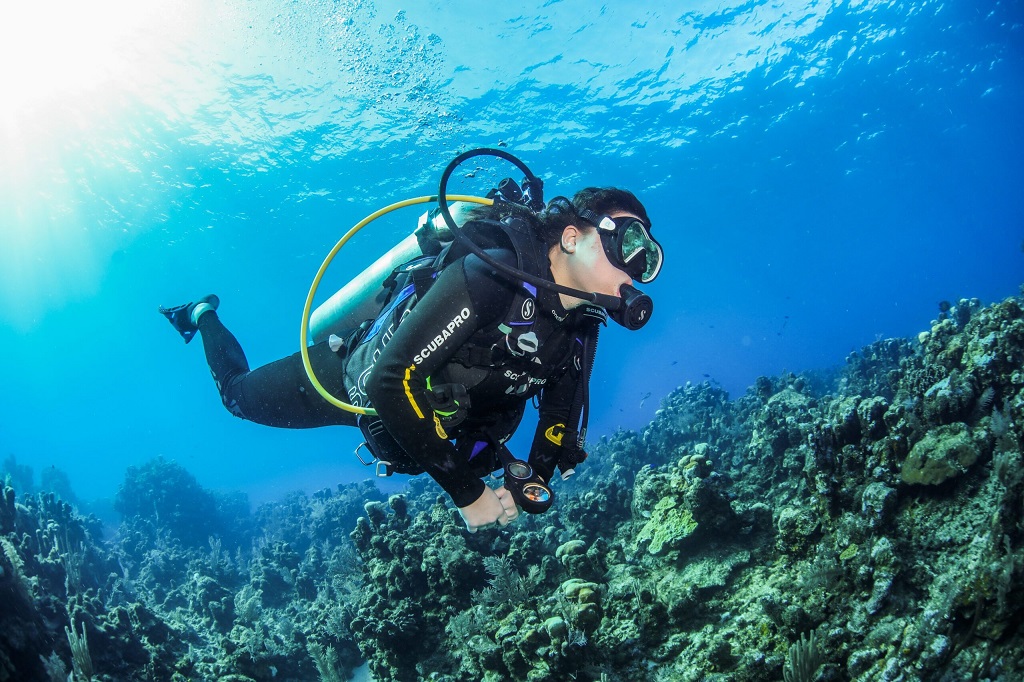
Before we dive into the specifics of 4mm wetsuits, let’s understand the fundamental purpose of this essential piece of equipment. Wetsuits aren’t designed to keep you perfectly dry. Instead, they work by trapping a thin layer of water between the neoprene (the wetsuit material) and your skin. Your body heat warms this trapped water, creating a comfortable insulating layer. This process allows you to stay warm even in cooler water temperatures. Beyond thermal regulation, wetsuits also offer protection from abrasions, stings, and sunburn, making them indispensable for various water sports.
4mm Wetsuits: The Goldilocks Zone
Wetsuits come in various thicknesses, typically ranging from 1mm to 7mm. The thickness refers to the neoprene’s thickness and is usually expressed in millimeters. A 4mm wetsuit represents a versatile middle ground. It offers sufficient warmth for moderately cool waters while still allowing for good flexibility and freedom of movement. This balance makes 4mm suits ideal for a range of activities, including:
- Scuba Diving: In tropical and temperate waters, a 4mm wetsuit provides adequate warmth for comfortable dives.
- Snorkeling: Enjoy extended snorkeling sessions in slightly cooler waters without getting chilled.
- Surfing: While some surfers prefer thinner suits for maximum flexibility, a 4mm wetsuit can be a good option, especially in cooler climates or during shoulder seasons.
- Paddleboarding (SUP): If you’re paddling in areas with cooler water or wind, a 4mm wetsuit can provide essential protection and warmth.
- Kayaking and Canoeing: Similar to paddleboarding, a 4mm wetsuit can make your paddling experience more comfortable in cooler conditions.
- Triathlons (Swim Portion): For open water swims in triathlons, a 4mm wetsuit can provide a competitive edge by reducing drag and improving buoyancy, in addition to warmth.
Key Features to Consider When Choosing a 4mm Wetsuit:
Selecting the right wetsuit can significantly impact your comfort and performance in the water. Here are some crucial features to consider:
- Neoprene Type: Neoprene is the core material of a wetsuit. Different types of neoprene offer varying degrees of flexibility, durability, and insulation. Look for high-quality neoprene that offers a good balance of these properties. Some manufacturers use specialized neoprene like “super-stretch” for enhanced flexibility.
- Construction and Stitching: The way a wetsuit is constructed impacts its durability and water seal. Look for durable stitching, like blind stitching and glued seams, which minimize water entry and enhance the suit’s lifespan.
- Fit: A proper fit is paramount for a wetsuit to function effectively. It should be snug but not restrictive. Too loose, and water will flush through, negating the insulating effect. Too tight, and it will restrict movement and potentially cause discomfort. Pay close attention to sizing charts and, if possible, try on wetsuits before purchasing.
- Closure System: Wetsuits typically have a back zip or a chest zip. Back zips are generally easier to get in and out of, while chest zips often offer better flexibility in the back and shoulders. Consider your needs and preferences when choosing a closure system.
- Seals: Wrist and ankle seals help to minimize water entry. Look for seals that are comfortable and effective. Some suits also have neck seals.
- Reinforcements: Areas subject to high wear and tear, such as knees and seat, often have reinforcements for added durability.
- Features: Some wetsuits come with additional features like built-in hoods, pockets, or key loops. Consider whether these features are important to you.
Top 4mm Wetsuit Reviews (Examples – Always Check Current Reviews):
It’s important to note that wetsuit reviews are subjective, and what works for one person may not work for another. Always research current reviews and consider your specific needs and body type. Here are some examples of brands and styles that are often well-regarded (but remember to do your own updated research):
- O’Neill: O’Neill is a well-known brand in the surf industry, and their 4mm wetsuits are often praised for their quality and performance. Look into their Reactor or Epic lines.
- Rip Curl: Another popular surf brand, Rip Curl, offers a range of 4mm wetsuits known for their flexibility and durability. Their Dawn Patrol or Flashbomb lines are worth checking out.
- Billabong: Billabong is another reputable brand offering a variety of wetsuits, including 4mm options suitable for different water sports.
- Xterra Wetsuits: Xterra is a brand specializing in triathlon wetsuits, and their 4mm suits are often a favorite among open water swimmers.
- Aqua Lung: A well-respected name in diving, Aqua Lung offers 4mm wetsuits designed for scuba diving and snorkeling.
Read More Also: How to Spot a Kook in Surfing: A Comprehensive Guide
Frequently Asked Questions (FAQ):
-
How do I care for my 4mm wetsuit?
- Rinse your wetsuit thoroughly with fresh water after each use. Avoid using harsh detergents or bleach. Hang it to dry in a shaded area, away from direct sunlight. Store it on a wide hanger to prevent creases.
-
How long will a 4mm wetsuit last?
- With proper care, a 4mm wetsuit can last for several years. However, the lifespan will depend on factors like frequency of use, exposure to sunlight and chlorine, and how well it’s maintained.
-
Can I wear a 4mm wetsuit in cold water?
- While a 4mm wetsuit offers good insulation, it may not be sufficient for extremely cold water. Consider thicker suits or additional layers for very cold conditions.
-
What is the difference between a men’s and women’s 4mm wetsuit?
- Men’s and women’s wetsuits are typically designed with different cuts to accommodate different body shapes. Women’s wetsuits often have a more tailored fit in the bust and hips.
-
Where can I buy a 4mm wetsuit?
- You can buy wetsuits from surf shops, dive shops, online retailers, and sporting goods stores. Consider trying on wetsuits in person if possible to ensure a proper fit.
-
What accessories should I consider with my 4mm wetsuit?
- Depending on your activity and water conditions, you might consider accessories like booties, gloves, and a hood for added warmth and protection.
Conclusion: Embracing the Aquatic World with Confidence
A 4mm wetsuit is a versatile and valuable piece of gear for anyone looking to explore the underwater world or enjoy water sports in comfort. By understanding the key features to consider and doing your research, you can choose a wetsuit that meets your specific needs and allows you to fully embrace the wonders of the aquatic environment. Remember to prioritize fit, consider the type of neoprene and construction, and always check current reviews before making your purchase. With the right 4mm wetsuit, you’ll be well-equipped to dive deeper, paddle further, and experience the joy of being in the water.