
Surfing. The word conjures images of sun-kissed skin, crashing waves, and effortless gliding across the ocean’s surface. But the reality, especially for beginners, can be a far cry from this idyllic picture. So, do surfers really struggle on surfboards? The short answer is a resounding yes, particularly in the initial stages. However, this struggle is a crucial part of the journey, a rite of passage that ultimately leads to the exhilarating freedom and joy that surfing offers. This article will delve into the challenges surfers face, explore the learning curve, provide insights based on user reviews, and answer frequently asked questions, offering a comprehensive guide for anyone curious about the surfing experience.
The Initial Tumble: Embracing the Struggle
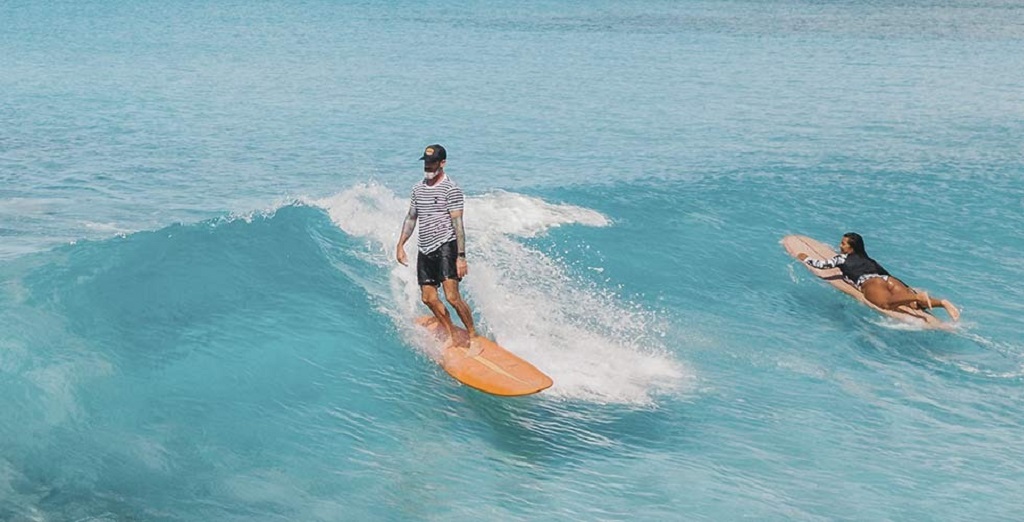
Let’s be honest, surfing is hard. It’s not just about hopping on a board and magically riding a wave. It requires a unique blend of physical fitness, balance, coordination, timing, and mental fortitude. The initial struggle is almost universal. Imagine trying to balance on a moving platform while simultaneously paddling against the current and reading the ever-changing ocean. Sounds challenging, right? That’s because it is.
Beginners often find themselves face-planting repeatedly, wiping out spectacularly, and swallowing mouthfuls of saltwater. Paddling, a fundamental skill, can be surprisingly tiring, especially in choppy conditions. Standing up, the ultimate goal, feels incredibly awkward and unstable at first. Even experienced surfers wipe out regularly; it’s part of the sport. The ocean is a powerful and unpredictable force, and learning to navigate it on a surfboard takes time, patience, and a healthy dose of humility.
The Learning Curve: From Flailing to Flowing
The learning curve in surfing can be steep. The first few sessions are often characterized by frustration and a sense of being completely out of control. You might spend more time falling than standing, and catching a wave can seem like an impossible feat. However, with consistent practice and the right guidance, progress starts to emerge.
Initially, the focus is on mastering the basics: paddling efficiently, popping up smoothly, and maintaining balance on the board. Once these fundamentals are established, surfers can start to learn how to read waves, position themselves correctly, and execute basic maneuvers like turning. As skills improve, the focus shifts from simply surviving to actually riding the wave, feeling the rush of adrenaline, and experiencing the unique connection with the ocean.
The learning curve isn’t linear. There will be plateaus and setbacks. Some days, you’ll feel like you’re making progress, while other days, you’ll feel like you’re back at square one. This is completely normal. The key is to persevere, embrace the challenges, and celebrate the small victories. Every wave ridden, every successful turn, is a testament to your dedication and a step closer to mastering the art of surfing.
User Reviews: Real Experiences from the Waves
To get a real sense of the surfing experience, let’s look at some reviews from surfers of varying skill levels:
- “As a complete beginner, I was terrified at first. I fell so many times I lost count! But the instructors were amazing, and they kept encouraging me. Finally, on my third day, I managed to catch a small wave and stand up. It was the most incredible feeling! I’m hooked.” – Sarah, Beginner
- “I’ve been surfing for a few years now, and I still have days where I struggle. The ocean is humbling. But that’s what makes it so rewarding. When you catch a good wave, it’s pure magic.” – Mark, Intermediate Surfer
- “I’ve surfed all over the world, and I can tell you, every spot is different. Some waves are easier to ride than others. Even pros wipe out. It’s all part of the game.” – Lisa, Advanced Surfer
These reviews highlight the common themes of struggle, perseverance, and ultimately, reward. They demonstrate that surfing is a challenging but incredibly fulfilling activity. The initial struggle is a shared experience, and the joy of riding a wave is something that unites surfers of all levels.
FAQs: Addressing Common Surfing Queries
Here are some frequently asked questions about surfing, addressing common concerns and providing helpful information:
Q: How physically fit do I need to be to start surfing?
A: While you don’t need to be an Olympic athlete, a basic level of fitness is beneficial. Paddling requires upper body strength and endurance, and good core strength is essential for balance. However, you’ll build these muscles as you surf. Starting with a good swimming ability is also important for safety.
Q: How long does it take to learn to surf?
A: There’s no one-size-fits-all answer. It depends on your fitness level, coordination, and how often you practice. Some people pick it up quickly, while others take longer. Generally, you can expect to start catching small waves and standing up consistently after a few months of regular practice. Mastering the art of surfing, however, is a lifelong journey.
Q: What equipment do I need to start surfing?
A: The essential equipment includes a surfboard, a leash (attaches the board to your ankle), and wax (for grip). You might also want to consider a wetsuit, especially if you’re surfing in colder water. Many surf schools provide all the necessary equipment for lessons.
Q: What’s the best way to learn to surf?
A: Taking lessons from a qualified surf instructor is highly recommended, especially for beginners. A good instructor will teach you the fundamentals of paddling, popping up, wave selection, and ocean safety. They’ll also provide valuable feedback and help you progress faster.
Q: Is surfing dangerous?
A: Like any water sport, surfing has inherent risks. These include collisions with other surfers, injuries from wiping out, and potential encounters with marine life. However, by taking lessons, following safety guidelines, and being aware of your surroundings, you can minimize these risks. It’s crucial to respect the ocean and never surf in conditions that are beyond your ability level.
Q: What are some tips for beginner surfers?
A: Here are a few tips to help you get started:
- Start small: Choose a beginner-friendly surf spot with small, gentle waves.
- Practice paddling: Get comfortable paddling on your board in flat water before venturing into the waves.
- Focus on the fundamentals: Master the basics of paddling, popping up, and balance before trying to do anything fancy.
- Be patient: Learning to surf takes time and practice. Don’t get discouraged if you don’t see results immediately.
- Have fun! Surfing is an incredible experience. Enjoy the journey and celebrate your progress.
Beyond the Struggle: The Rewards of Surfing
While the initial struggle is undeniable, the rewards of surfing are immense. The feeling of catching a wave, riding it effortlessly, and connecting with the power of the ocean is unparalleled. Surfing is not just a sport; it’s a lifestyle, a passion, and a way to connect with nature. It challenges you physically and mentally, teaches you resilience, and rewards you with moments of pure joy and exhilaration. So, yes, surfers do struggle on surfboards, especially in the beginning. But it’s a struggle that’s ultimately worth it. The journey from flailing to flowing is what makes surfing so special, and the feeling of riding a wave is an experience that will stay with you forever. Embrace the challenge, respect the ocean, and enjoy the ride.