
Choosing the right surfing fins can completely change how your board performs on the water. Many surfers focus on boards, yet good surfing fins control how you turn, hold, and accelerate. According to research from the Surf Industry Manufacturers Association, equipment choice plays a major role in performance and safety, especially for intermediate surfers. Another study from National Oceanic and Atmospheric Administration highlights how wave conditions vary widely across US coastlines, making fin selection even more important. This guide breaks everything down in simple terms so you can choose the best surfing fins for speed, control, and different wave conditions with confidence.
Understanding Surfboard Fins Basics
Surfboard fins act like the steering system of your board. They help you maintain direction, generate speed, and stay stable during turns. Without fins, your board would slide across the water without control.
Different fin setups create different riding experiences. Some provide speed, while others improve grip or maneuverability. Therefore, understanding the basics helps you match your fins to your style and local surf conditions.
Fins vary in size, shape, and flexibility. Each of these elements affects how your board reacts in the water. When you choose wisely, you gain smoother rides and better control on every wave.
Types of Surfing Fins and Their Purpose
Single Fins
Single fins offer a classic surfing feel. They provide smooth, drawn out turns and strong stability.
These fins work best for longboards or beginners who want control over speed. However, they lack quick responsiveness.
Twin Fins
Twin fins reduce drag and increase speed. They allow faster rides and looser turns.
However, they offer less control in bigger waves. So, they suit smaller and playful conditions better.
Thruster Setup
The thruster setup uses three fins and is the most common configuration. It balances speed, control, and maneuverability.
This setup works well in almost all wave conditions. That is why many surfers prefer it for everyday use.
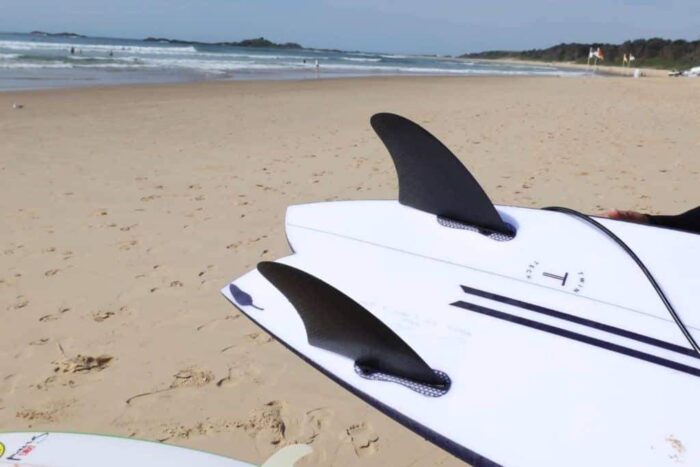
Quad Fins
Quad fins provide extra speed and hold. They perform well in powerful waves and fast conditions.
They also improve grip on steep wave faces. However, they may feel less stable for beginners.
Key Factors That Affect Speed and Control
Fin Size
Larger fins provide more control and stability. They help in powerful waves where hold matters most.
Smaller fins reduce drag and increase speed. They allow quicker turns and more freedom.
Fin Shape
The shape of a fin impacts how water flows around it.
Key shape elements include
• Base length for drive and speed
• Height for stability
• Rake for longer turns
• Foil for water flow efficiency
Each of these elements changes how your board feels during a ride.
Flexibility
Flexible fins create smooth transitions and forgiving turns. They suit beginners and smaller waves.
Stiffer fins provide more power and precision. Advanced surfers often prefer them for aggressive maneuvers.
Material
Common fin materials include fiberglass, plastic, and carbon fiber.
Fiberglass offers a balance of control and durability. Plastic is affordable but less responsive. Carbon fiber delivers high performance and quick response.
Matching Fins to Wave Conditions
Small Waves
Small waves require speed and looseness. You need fins that reduce drag and allow quick turns.
Best choices include
• Twin fins for speed
• Small thrusters for flexibility
These setups help you generate speed even when waves lack power.
Medium Waves
Medium waves offer a balance of power and playfulness.
Thruster setups work best here. They give control while still allowing speed.
Large Waves
Big waves demand control and hold. You need fins that keep your board stable at high speeds.
Best options include
• Larger thrusters
• Quad setups for added grip
These fins help you stay locked into the wave face without slipping.
How Skill Level Influences Fin Choice
Beginners
Beginners should focus on stability and control. Larger fins and thruster setups are ideal.
These options reduce mistakes and help you learn basic turns.
Intermediate Surfers
Intermediate surfers can experiment with different setups.
Try switching between thruster and quad configurations. This helps you understand how fins affect performance.
Advanced Surfers
Advanced surfers often customize their fin setups.
They choose fins based on wave type, board design, and personal style. Precision and performance become the priority.
Fin Placement and Setup Tips
Proper fin placement can improve your surfing instantly. Even small adjustments make a difference.
Key tips include
- Move fins slightly forward for tighter turns
- Move fins back for more stability and control
- Use symmetrical setups for balance
- Test different configurations to find your preference
Experimentation helps you discover what works best for your surfing style.
Common Mistakes to Avoid
Many surfers choose fins without understanding their impact. Avoid these mistakes to improve your performance.
- Using large fins in small waves
• Ignoring wave conditions
• Choosing fins based only on appearance
• Not testing different setups
Each mistake can limit your speed, control, or overall experience.
Practical Example for Better Understanding
Imagine you are surfing in California where waves vary daily. On a small day, switching to twin fins helps you gain speed. On a bigger day, using a quad setup improves control and hold.
This simple adjustment shows how fins directly impact your performance. Learning to adapt makes you a better surfer over time.
Conclusion
Choosing the best surfing fins for speed, control, and wave conditions requires understanding how each factor works together. Fin size, shape, flexibility, and setup all play a role in how your board performs. When you match your fins to wave conditions and skill level, you unlock better speed, smoother turns, and more confidence in the water. Start experimenting with different setups today and refine your choices with every session.
FAQs
What size surfing fins should I choose?
Choose larger fins for more control and smaller fins for speed. Your weight and wave conditions also affect the right size.
Are quad fins better than thrusters?
Quad fins offer more speed and grip, while thrusters provide better balance and control. The best choice depends on wave conditions.
Do fins really affect surfing performance?
Yes, fins directly impact speed, stability, and turning ability. The right fins can improve your surfing significantly.
How often should I change my fins?
Change fins when you switch wave conditions or want to try a different surfing style. Regular testing helps you improve faster.
Can beginners use advanced fin setups?
Beginners can try them, but simpler setups like thrusters offer better control and learning support.