
Surfing is one of the most exciting sports in the world. However, stepping out of the cold ocean can leave you shivering fast. Your body loses heat quickly when you are wet and exposed to wind. Therefore, knowing how to warm up after a surf session is just as important as knowing how to ride a wave.
A surf poncho is one of the best tools you can use after surfing. It helps you change clothes, dry off, and warm up — all at once. In this article, you will learn everything you need to know about staying warm after surfing using a surf poncho.
What Is a Surf Poncho?
A surf poncho is a large, hooded changing robe designed for water sports. It looks like a big towel with a hood and open sides. Most surf ponchos are made from soft, absorbent materials like cotton, microfibre, or fleece.
Surfers use them right after they exit the water. The poncho slips over your head and covers your whole upper body. It keeps the wind off your skin while you dry off or change. Additionally, it gives you privacy when you are changing at the beach or in a car park.
Surf ponchos come in different styles and thicknesses. Some are thin and lightweight for warm climates. Others are thick and insulated for cold-water surfing. Choosing the right one makes a big difference in how well you warm up after your session.
Why Getting Cold After Surfing Is a Real Problem
Many surfers underestimate how cold they can get after leaving the water. Your body temperature drops rapidly when you are wet. Wind makes this even worse. This process is called convective heat loss, and it can happen very quickly.
Cold muscles are also more prone to injury. Therefore, warming up after a session is not just about comfort. It is also about protecting your body. Staying cold for too long after surfing can lead to muscle cramps, stiffness, and in serious cases, hypothermia.
However, many surfers simply leave the water and stand around in a wet wetsuit. This is one of the worst things you can do. Your wetsuit holds cold water against your skin. Getting changed quickly into dry clothing is far better. A surf poncho makes this process fast and easy.
How to Use a Surf Poncho to Stay Warm
Using a surf poncho correctly makes a big difference. Here is a simple step-by-step approach to staying warm after your surf session.
Step One: Put the Poncho On Immediately
As soon as you leave the water, pull your surf poncho over your head. Do not wait. Every second you stand in a wet wetsuit without cover, your body is losing heat. The poncho traps warm air around your body right away.
Make sure the hood is up. A lot of body heat escapes through your head. Keeping your head covered helps your whole body feel warmer faster. Additionally, the hood protects your face from the wind.
Step Two: Remove Your Wetsuit Under the Poncho
Once the poncho is on, you can start removing your wetsuit underneath it. This is one of the biggest advantages of a surf poncho. It gives you a private, warm space to change without exposing your skin to the cold air.
Start by unzipping your wetsuit and peeling it down from the top. Use the inside of the poncho to pat yourself dry as you go. The soft inner lining of most ponchos absorbs water well. Therefore, you are drying off and warming up at the same time.
Step Three: Dry Off Thoroughly
Once your wetsuit is off, take a moment to dry your skin properly. Pay attention to areas that hold moisture, such as your lower back, underarms, and behind your knees. Wet skin loses heat much faster than dry skin.
If your poncho has a microfibre lining, it will absorb water very quickly. Some surf ponchos come with built-in towelling panels. These make drying off even easier. However, if your poncho is standard cotton, it may take a little longer to absorb the moisture.
Step Four: Put on Warm, Dry Clothing
After drying off, get dressed under the poncho. Put on thermal base layers or warm trousers first. Then add a fleece or jumper. Layering is the most effective way to trap heat. Air trapped between layers acts as insulation.
Keep the poncho on over your clothing for a few extra minutes. This helps your body temperature rise to a comfortable level before you remove it. Additionally, it protects your dry clothes from the wind while you pack up your gear.
Step Five: Warm Your Feet
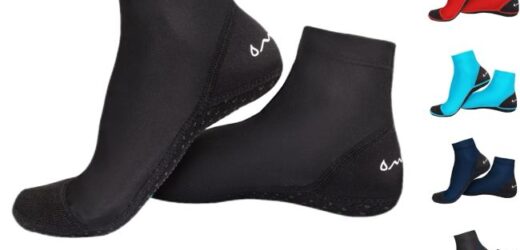
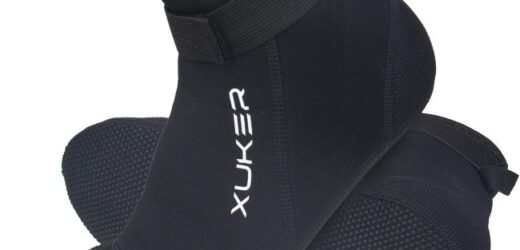
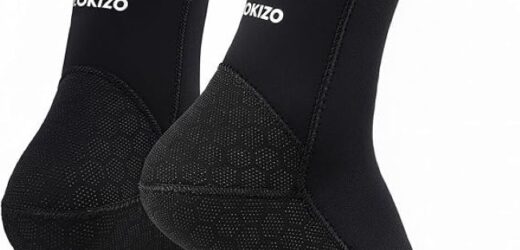
Your feet are often the last part of the body to warm up after surfing. Cold feet can keep your whole body feeling cold. Therefore, dry them carefully and put on warm, dry socks as soon as possible.
Some surfers carry a small pair of rubber flip-flops or sandals to change into right after their session. This gets them off the cold, wet ground immediately. Combine this with warm socks and you will notice a big improvement in how quickly you warm up.

Choosing the Right Surf Poncho
Not all surf ponchos are the same. Picking the right one for your conditions will make a real difference in your comfort and warmth after surfing.
Material Matters
The material of your poncho determines how warm and how absorbent it is. Cotton ponchos are soft and breathable. However, they take longer to dry. Microfibre ponchos are lightweight and absorb water very quickly. They are also easy to pack. Fleece-lined ponchos offer the best warmth. They are ideal for cold-water surfers.
Thickness and Weight
Thicker ponchos are warmer but heavier to carry. If you surf in warm climates, a thin poncho may be enough. However, if you surf in cold water or during winter months, a thick poncho is a much better choice. Consider where and when you surf most often before buying.
Fit and Coverage
A good surf poncho should hang down to at least mid-thigh. This gives you enough coverage to change comfortably. Some ponchos have kangaroo pockets at the front. These are great for warming your hands quickly. A well-fitted hood that stays on your head is also important for keeping heat in.
Pocket and Storage Features
Some surf ponchos come with extra features like zippered pockets or velcro closures. These are useful for keeping your phone or keys secure while you change. Additionally, a compact carry bag makes it easy to pack your poncho without taking up too much space in your surf bag.
Extra Tips for Staying Warm After Surfing
A surf poncho is a great start, but there are other things you can do to speed up the warming process.
Drink something hot as soon as possible after your session. A warm drink raises your core temperature quickly. Many surfers keep a thermos of tea or hot chocolate in their car for this exact reason.
Eat a snack after surfing. Your body burns a lot of energy in the water. Eating after a session helps replenish that energy and keeps your internal heat going. High-carb and protein-rich snacks work well.
Get out of the wind. Wind is one of the biggest causes of rapid heat loss. After your session, try to find a sheltered spot to change and dry off. Sitting in your car with the heating on is also a very effective way to warm up fast.
Additionally, bring a separate dry towel for your hair. A wet head stays cold for a long time. Drying your hair quickly after surfing helps your whole body feel warmer sooner.
Common Mistakes Surfers Make When Trying to Warm Up
Many surfers make a few simple mistakes that slow down the warming process. Being aware of these can help you warm up more effectively.
One common mistake is waiting too long to remove a wet wetsuit. A wet wetsuit keeps cold water in contact with your skin. Therefore, the sooner you remove it, the faster you will warm up.
Another mistake is not drying off completely. Many surfers pull on clothes over damp skin. This traps moisture against the body and slows down warming. Take a few extra seconds to dry off thoroughly under your poncho.
Some surfers also forget about their feet and hands. These extremities lose heat very quickly. Always have dry socks and gloves ready in your bag for after your session.
Conclusion
Staying warm after surfing is essential for both comfort and safety. A surf poncho is one of the simplest and most effective tools you can use. It keeps the wind off your body, gives you privacy to change, and helps you dry off quickly all at the same time.
To warm up effectively, put your poncho on as soon as you leave the water. Remove your wetsuit underneath it, dry off thoroughly, and layer up with warm clothing. Choose a poncho made from fleece or microfibre for the best warmth and absorbency.
Additionally, support your warming routine with hot drinks, snacks, and shelter from the wind. Avoid common mistakes like staying in a wet wetsuit too long or dressing over damp skin. With the right habits and the right gear, you can stay warm and comfortable no matter how cold the water is.
Frequently Asked Questions
1. What is the best material for a surf poncho? Fleece-lined and microfibre surf ponchos are the best options for warmth and quick drying. Fleece is ideal for cold-water surfers, while microfibre works well in milder conditions due to its lightweight and fast-drying properties.
2. Can I use a regular towel instead of a surf poncho? You can use a regular towel, but it does not offer the same benefits. A surf poncho covers your whole body, protects you from wind, and gives you privacy to change. It is a much more practical and effective option after surfing.
3. How do I keep my surf poncho smelling fresh? Rinse your surf poncho with clean water after every use to remove salt and sand. Wash it regularly according to the care label instructions. Hang it to dry in a well-ventilated area and avoid leaving it rolled up wet for long periods.
4. Are surf ponchos suitable for children? Yes, surf ponchos are available in sizes for children. They are a great way to keep kids warm and comfortable after beach and surf sessions. Look for child-specific ponchos with shorter lengths and smaller hood openings for a better fit.
5. How long should I wear a surf poncho after surfing? Wear your surf poncho until you have fully dried off, changed into warm clothing, and your body temperature feels comfortable. This usually takes around 10 to 15 minutes. However, in very cold conditions, you may want to wear it longer or keep it on until you reach a warm indoor space.
Related Topics:
Riding the Waves in Style: The Ultimate Guide to Jeans for Surfers
Hyper-Flex Joint Surf Wear: The Ultimate Guide to Revolutionizing Your Surfing Experience