
Surfing is all about riding the waves, but the right gear can make or break your experience. While wetsuits and surfboards often get the most attention, the importance of a good pair of surf shoes is sometimes overlooked. The right pair of women’s surf shoes can provide the comfort, protection, and grip you need to enjoy your time in the water, whether you’re catching waves, exploring rocky shores, or simply wading through the surf.
I remember my first surf session without proper footwear. The sharp rocks and slippery surfaces made it difficult to focus on my balance and technique. After investing in a pair of high-quality women’s surf shoes, I noticed an immediate improvement in my stability and confidence. If you’re looking to enhance your surfing experience, exploring the best women’s surf shoes is a great place to start.
Why the Right Surf Shoes Matter
Surf shoes are designed to protect your feet from sharp rocks, coral, and other hazards while providing the grip and flexibility needed to move freely in the water. They also help keep your feet warm in cooler conditions, allowing you to surf longer and more comfortably. The right pair of surf shoes can enhance your performance, reduce the risk of injury, and make your time in the water more enjoyable.
Modern surf shoes are made from advanced materials that offer a balance of durability, flexibility, and quick-drying properties. According to industry research, surfers who wear proper footwear report fewer injuries and improved stability, making it a worthwhile investment for anyone who spends time in the water.
Types of Women’s Surf Shoes
1. Surf Boots
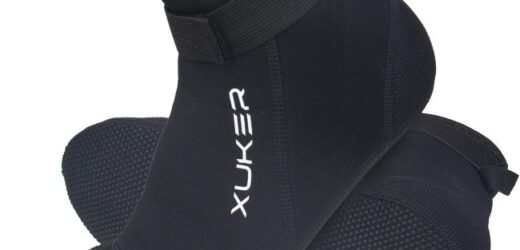
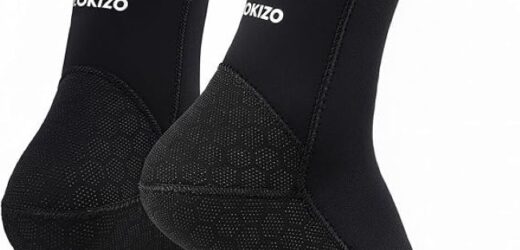
Surf boots are designed for colder water conditions, providing insulation and protection from the elements. They typically cover the ankle and are made from neoprene, the same material used in wetsuits. Surf boots are ideal for winter surfing or in regions with cold water temperatures.
Pros:
- Excellent insulation for cold water
- Protects feet from sharp rocks and coral
- Provides ankle support for added stability
Cons:
- Can feel bulky and restrict movement
- May take longer to dry compared to other types
2. Water Shoes
Water shoes are lightweight and designed for warm water conditions. They offer minimal coverage, often resembling a slip-on shoe or sandal, and are made from quick-drying materials like mesh or synthetic fabrics. Water shoes are perfect for summer surfing, beach walks, or shallow water activities.
Pros:
- Lightweight and comfortable
- Quick-drying and breathable
- Ideal for warm water and beach activities
Cons:
- Less protection and insulation for cold water
- May not provide enough grip on slippery surfaces
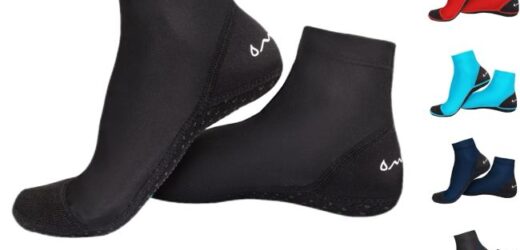
3. Surf Socks
Surf socks provide a minimalist option for surfers who want protection without the bulk of a full shoe. They cover the foot like a sock but are made from neoprene or other durable materials to protect against sharp objects and provide a thin layer of insulation. Surf socks are great for warm water conditions or as a layer under surf boots for added warmth.
Pros:
- Lightweight and low-profile
- Provides basic protection and warmth
- Can be worn under surf boots for extra insulation
Cons:
- Limited protection compared to boots or shoes
- May not offer enough grip for slippery surfaces
4. Reef Walkers
Reef walkers are designed specifically for walking on rocky or coral reefs. They offer a balance of protection and flexibility, with a thick, durable sole to guard against sharp objects and a snug fit to prevent slipping. Reef walkers are ideal for surfers who frequently navigate reef breaks or rocky shorelines.
Pros:
- Excellent protection for rocky or coral reefs
- Durable and long-lasting
- Provides good grip and stability
Cons:
- Can feel heavier than other types of surf shoes
- May not be as flexible for surfing maneuvers
5. Split-Toe Surf Shoes
Split-toe surf shoes are inspired by traditional Japanese tabi boots, featuring a separation between the big toe and the rest of the foot. This design allows for better balance and control, making it easier to grip the surfboard and maintain stability. Split-toe shoes are popular among surfers who prioritize flexibility and natural movement.
Pros:
- Enhances balance and board control
- Lightweight and flexible
- Provides a natural feel in the water
Cons:
- Takes time to get used to the split-toe design
- May not offer as much protection as other types

Key Features to Consider
Material
The material of your surf shoes affects their durability, flexibility, and insulation. Neoprene is the most common material, offering a balance of warmth, flexibility, and protection. Synthetic fabrics and mesh are often used in water shoes for their quick-drying and breathable properties. Look for materials that suit the conditions you typically surf in.
Fit and Comfort
A proper fit is essential for comfort and performance. Surf shoes should fit snugly without being too tight, allowing for natural movement and flexibility. Consider the shape of your foot and the type of closure (e.g., lace-up, slip-on, or Velcro) to ensure a secure fit. Try on different styles to find the one that feels most comfortable.
Grip and Traction
Grip is crucial for maintaining stability on slippery surfaces. Look for surf shoes with a textured or rubberized sole that provides good traction on wet rocks, coral, and surfboards. Some models feature specialized tread patterns designed to enhance grip in various conditions.
Insulation and Warmth
If you surf in cold water, insulation is a key consideration. Neoprene surf boots and socks provide the best warmth, with thicker materials offering more insulation. For warm water conditions, lightweight and breathable materials are sufficient to keep your feet comfortable.
Durability
Durability is important, especially if you surf frequently or in rough conditions. Look for surf shoes made from high-quality materials with reinforced stitching and soles. A durable pair of shoes will last longer and provide better protection over time.
Quick-Drying Properties
Quick-drying properties help keep your feet comfortable and prevent the growth of bacteria or odors. Mesh and synthetic materials are ideal for warm water conditions, as they allow water to drain quickly and air to circulate. Neoprene boots may take longer to dry but offer better insulation for cold water.
Style and Design
While performance is the top priority, style and design also matter. Many surf shoes come in a variety of colors and patterns, allowing you to express your personal style. Choose a design that matches your preferences and complements your surf gear.
How to Choose the Right Women’s Surf Shoes for Your Needs
Assess Your Surfing Conditions
Consider the typical conditions you surf in. If you frequently surf in cold water, opt for neoprene surf boots or socks for warmth and protection. For warm water conditions, lightweight water shoes or surf socks are ideal. If you often navigate rocky or coral reefs, reef walkers or shoes with thick, durable soles are the best choice.
Match Shoes to Your Surfing Style
Your surfing style and preferences should guide your choice of surf shoes. If you prioritize flexibility and natural movement, split-toe shoes or surf socks may be the best fit. For added stability and protection, surf boots or reef walkers are ideal. Consider how each type of shoe will enhance your performance and comfort in the water.
Consider Your Budget
Surf shoes are available at a wide range of price points. Determine your budget and look for the best features within that range. While high-end models often offer advanced materials and technologies, there are also many affordable options that provide excellent performance and durability.
Try Before You Buy
Whenever possible, try on surf shoes before purchasing. Walk around in them to assess comfort and fit, and make sure there’s enough room for natural movement. If you’re buying online, check the return policy to ensure you can exchange them if they don’t fit well.
Prioritize Comfort and Protection
Comfort and protection are the most important factors in choosing surf shoes. Look for shoes that fit well, provide adequate grip, and offer the right level of insulation for your surfing conditions. A comfortable, well-fitting pair of surf shoes will enhance your performance and allow you to focus on riding the waves.
Common Mistakes to Avoid
- Choosing Style Over Function: While stylish shoes are appealing, prioritize performance features like comfort, grip, and protection.
- Ignoring Water Temperature: Wearing lightweight water shoes in cold conditions can lead to discomfort and reduced performance. Choose shoes that match the water temperature.
- Skipping the Break-In Period: New surf shoes may require a break-in period. Wear them in shallow water or during practice sessions to avoid blisters or discomfort during important surf sessions.
- Overlooking Fit: Ill-fitting shoes can cause blisters, reduce grip, and hinder your performance. Always choose shoes that fit snugly and comfortably.
- Not Replacing Worn-Out Shoes: Worn-out shoes lose their grip and protection, increasing the risk of injury. Replace your surf shoes when they show signs of significant wear.
FAQs
What is the best type of surf shoe for cold water?
For cold water conditions, neoprene surf boots or socks are the best choice. They provide insulation and protection, keeping your feet warm and comfortable during long surf sessions.
Are water shoes suitable for surfing?
Water shoes are suitable for surfing in warm water conditions. They are lightweight, quick-drying, and provide basic protection and grip. However, they may not offer enough insulation or protection for cold water or rocky surfaces.
How do I know if my surf shoes fit properly?
Properly fitting surf shoes should feel snug but not tight, with enough room to wiggle your toes. Your heel should stay in place without slipping, and the shoes should allow for natural movement and flexibility. Walk around in them to ensure comfort before making a final decision.
Can I wear surf socks without boots?
Yes, surf socks can be worn on their own in warm water conditions. They provide basic protection and a thin layer of insulation, making them ideal for summer surfing or shallow water activities. For added warmth, you can also wear surf socks under surf boots.
How often should I replace my surf shoes?
The lifespan of surf shoes depends on how often you surf and the conditions you surf in. On average, surf shoes last between one to two years. Replace them when you notice significant wear on the soles, loss of grip, or reduced comfort and protection.
Conclusion
Choosing the best women’s surf shoes for your needs is a simple yet effective way to enhance your comfort, protection, and performance in the water. By considering factors like material, fit, grip, and insulation, you can find shoes that match your surfing style and conditions.
Investing in quality surf shoes is an investment in your overall surfing experience. Take the time to research, try on different models, and choose shoes that will help you ride the waves with confidence and ease.
Have you found a pair of surf shoes that transformed your experience? Share your favorite models or tips in the comments below! And if you found this guide helpful, don’t forget to share it with your fellow