
Cold water surfing tests your commitment. When the ocean temperature drops below 60°F, your session quality depends entirely on thermal protection. According to the National Oceanic and Atmospheric Administration, water conducts heat away from the body 25 times faster than air at the same temperature. This physiological reality makes wetsuit selection critical for performance and safety. The Surf Industry Manufacturers Association reports that approximately 40% of surfers abandon cold water sessions prematurely due to inadequate thermal protection. The right wetsuit transforms winter swells from endurance tests into enjoyable sessions.
Do Heated Wetsuits for Cold Water Surfing Really Keep You Warm in Cold Water?
Heated wetsuits can help you stay warmer in cold water, but they do not create comfort on their own. Most affordable models rely more on insulation than active heating. They slow heat loss by reducing water movement and trapping body warmth, which matters more than electric output. In real surfing conditions, they feel warmest while you paddle and move.
During long idle periods, warmth gradually fades. Battery powered systems add mild heat, not a furnace effect. Fit matters as much as technology. A snug suit with good seams outperforms a loose heated one. Heated wetsuits extend sessions and reduce fatigue, but they cannot fully cancel cold water exposure or poor layering choices for surfers facing winter swells and long paddles.
Best Affordable Heated Wetsuits for Cold Water Surfing At a Glance:
Let’s have a quick overview of the best heated wetsuits for cold water surfing below:
- O’Neill Men’s Reactor II 3/2mm Full Wetsuit
- Dark Lightning 3mm Neoprene Full Wetsuit
- Surf Squared 3/2mm Full Wetsuit
- Seaskin Mens 3mm Shorty Wetsuit Womens
- O’Neill Reactor II 3/2mm Back Zip Full Wetsuit
- Lemorecn 3mm Full Wetsuit
- OMGear 3mm Women’s Full Wetsuit
O’Neill Men’s Reactor II 3/2mm Full Wetsuit
Best for Budget-Conscious Surfers Seeking Reliable Brand Quality
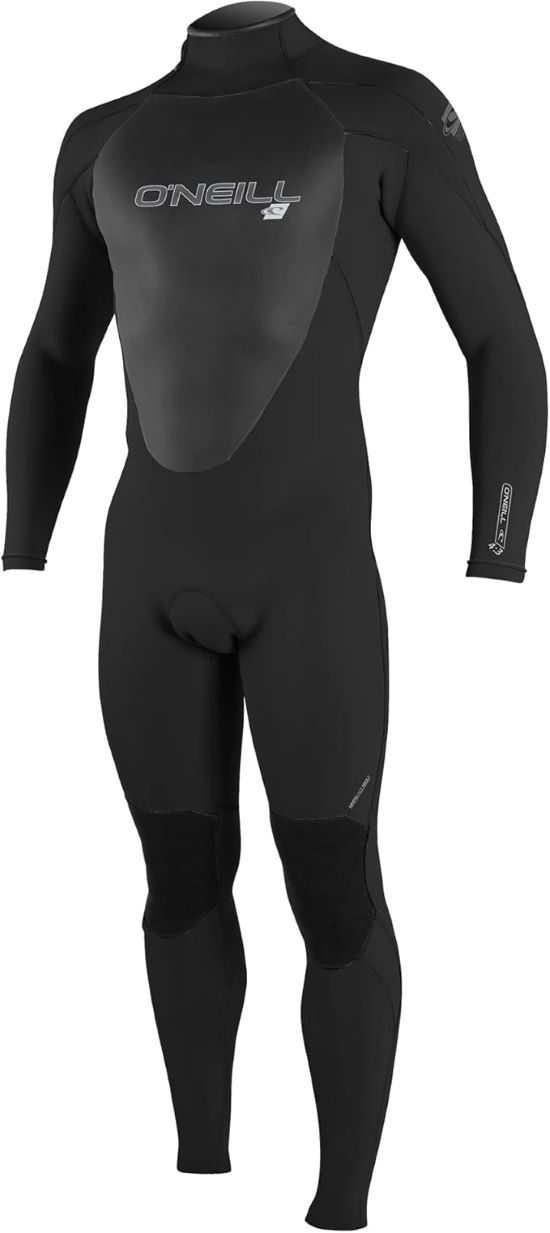
The O’Neill Reactor II delivers unexpected performance at an entry-level price point. After multiple sessions in 55°F water, this suit maintains core warmth for 90-minute sessions without the stiffness that plagues cheaper alternatives. The FluidFlex neoprene moves naturally through pop-ups and duck dives, though paddling does require slightly more effort than premium suits.
This wetsuit suits intermediate surfers who surf two to three times weekly in water temperatures between 52°F and 62°F. It excels during autumn sessions when water stays moderately cold but struggles during deep winter surfing below 50°F. Weekend warriors find the durability adequate, though daily surfers notice seam wear after six months of consistent use.
The fit runs true to size with enough room in the shoulders for comfortable paddling. Taller surfers appreciate the torso length, which prevents ride-up during extended sessions. The back zip entry system makes donning simple, though it creates a minor thermal weak point compared to chest zip designs.
Features:
- FluidFlex neoprene construction provides freedom of movement during critical maneuvers without the restrictive feel common in budget suits
- Flatlock seam construction reduces chafing during long sessions and adds durability to high-stress zones
- Krypto Knee Padz extend the life of high-wear areas and provide cushioning during knee paddling
- Strategic Seamless Paddle Zones minimize shoulder restriction during the repetitive paddling motion
- Single Super Seal neck closure blocks water entry at the collar without creating uncomfortable pressure points
- Minimal branding appeals to surfers who prefer understated aesthetics over logo-heavy designs
Pros:
- Exceptional value for money compared to similarly priced alternatives
- Moves naturally through the full range of surfing movements
- Dries relatively quickly between sessions
- Adequate thermal protection for moderate cold water conditions
- Durable construction withstands regular recreational use
- Easy entry and exit system for quick changes in parking lots
Cons:
- Back zip design allows more water flushing than chest zip alternatives
- Not warm enough for extended sessions below 50°F
- Neoprene compresses faster than premium materials
- Seams show wear with daily use after several months
- Limited color options may not appeal to all preferences
- Ankle and wrist seals could be tighter to prevent water entry
Dark Lightning 3mm Neoprene Full Wetsuit
Best for Warm Cold Water Conditions and Multi-Sport Use
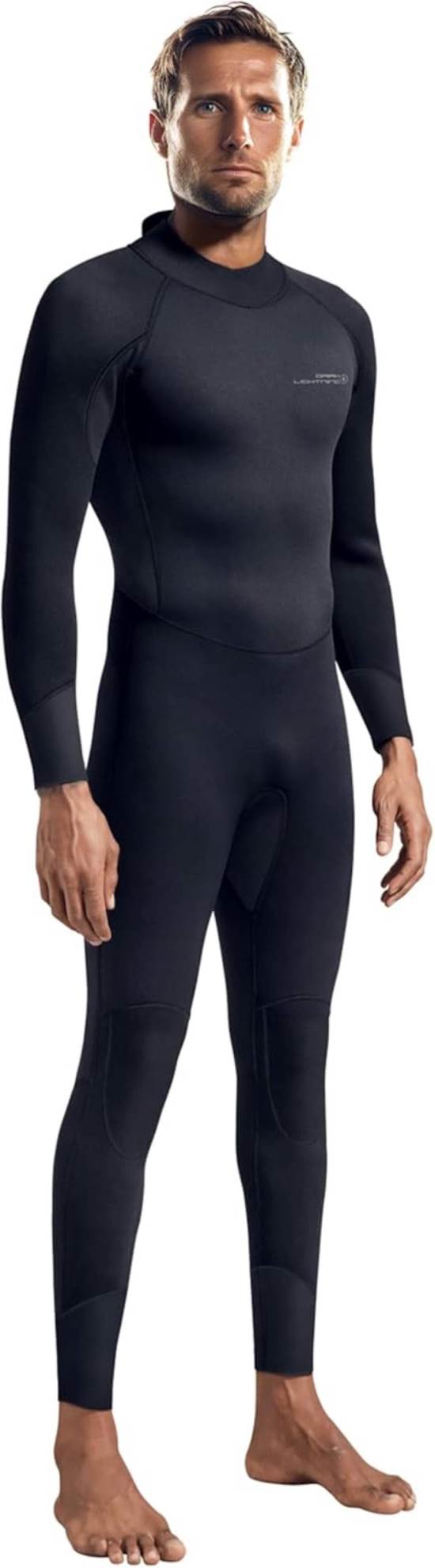
The Dark Lightning wetsuit occupies an interesting space between surfing and general water sports. During 58°F sessions, it provides adequate warmth for hour-long surf sessions, though it feels slightly looser through the torso than surf-specific designs. The material stretches easily, making it popular among beginners who prioritize ease of movement over maximum thermal efficiency.
This suit works well for surfers who also kayak, paddleboard, or snorkel. The versatile design handles multiple water activities competently without excelling at any single one. It suits warmer cold water conditions, typically 56°F to 65°F, where absolute thermal protection matters less than flexibility and comfort.
The fit accommodates athletic builds without the restrictive feeling that specialized surf suits sometimes create. Swimmers transitioning to surfing appreciate the familiar feel. The material allows full arm rotation during paddling, though the looser fit permits more water flushing than tighter alternatives.
Features:
- Ultra-stretch neoprene accommodates diverse body types and movement patterns across multiple water sports
- YKK back zipper with long leash simplifies solo entry and exit without assistance
- Adjustable neck closure allows customization of collar tightness based on personal preference and conditions
- Reinforced knee pads provide durability during beach entries and knee paddling sessions
- Glued and blind-stitched seams reduce water penetration while maintaining flexibility
- Multi-sport versatility eliminates the need for separate gear if you participate in various water activities
Pros:
- Comfortable fit for extended wear without pressure points
- Excellent range of motion for paddling and maneuvering
- Suitable for multiple water activities beyond surfing
- Affordable price point for recreational users
- Easy to put on and remove independently
- Stretchy material accommodates different body shapes
- Quick drying between uses
Cons:
- Looser fit allows more water circulation than surf-specific designs
- Not ideal for water temperatures below 55°F
- Material durability concerns with aggressive daily use
- Ankle and wrist seals fit loosely on smaller frames
- Less compression than performance-oriented suits
- Generic styling lacks the refined appearance of surf brands
- Buoyancy feels different than dedicated surf wetsuits
Surf Squared 3/2mm Full Wetsuit
Best for Surfers Prioritizing Eco-Friendly Construction
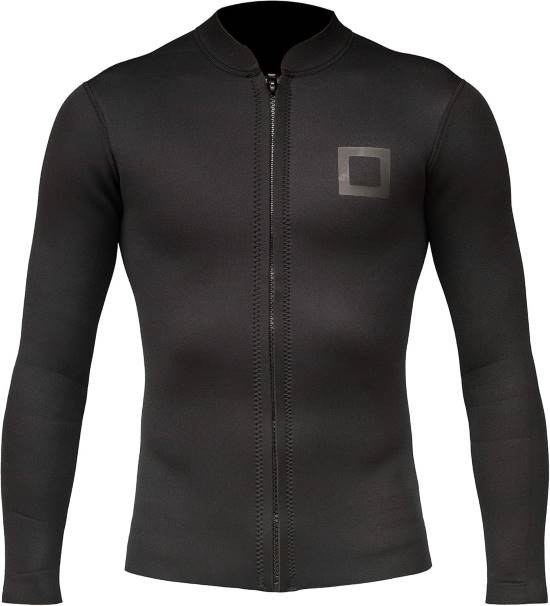
The Surf Squared wetsuit distinguishes itself through limestone-based neoprene rather than petroleum-derived materials. After testing in 54°F conditions, the thermal properties match conventional suits while offering a clearer environmental conscience. The suit maintains core temperature effectively during 75-minute sessions, though extremely cold days require additional layering.
This wetsuit appeals to environmentally conscious surfers who refuse to compromise performance for principles. It handles typical cold water surfing conditions from 50°F to 60°F with competence. The material feels softer against skin than traditional neoprene, which some surfers prefer and others find unusual initially.
The chest zip entry system takes practice but significantly reduces water entry compared to back zip designs. Once mastered, the entry process becomes quick and efficient. The suit fits snugly without excessive tightness, creating an effective barrier against cold water intrusion.
Features:
- Limestone-based neoprene provides thermal protection while reducing petroleum dependence and environmental impact
- Chest zip entry minimizes water flushing and eliminates the back zipper cold spot
- GBS seams with liquid seal create watertight barriers that prevent cold water from seeping through stitching
- Supratex knee panels resist abrasion from board contact and rocky beach entries
- Glideskin collar seal forms a watertight barrier around the neck without uncomfortable constriction
- Four-way stretch material moves with your body through the full surfing motion spectrum
Pros:
- Reduced environmental footprint compared to petroleum-based alternatives
- Chest zip design keeps more water out than back zip systems
- Effective thermal protection across moderate cold water range
- Soft interior lining feels comfortable against bare skin
- Well-constructed seams show durability after regular use
- Thoughtful design details reflect actual surfing experience
- Good value considering the environmental benefits
Cons:
- Chest zip entry requires learning curve for new users
- Limited sizing options may not fit all body types perfectly
- Premium eco materials increase cost over basic alternatives
- Not the warmest option for extreme cold water surfing
- Lesser-known brand lacks the status appeal some desire
- Availability can be inconsistent compared to major brands
- Drying time slightly longer than some competitors
Seaskin Mens 3mm Shorty Wetsuit Womens
Best for Transitional Seasons and Warmer Cold Water
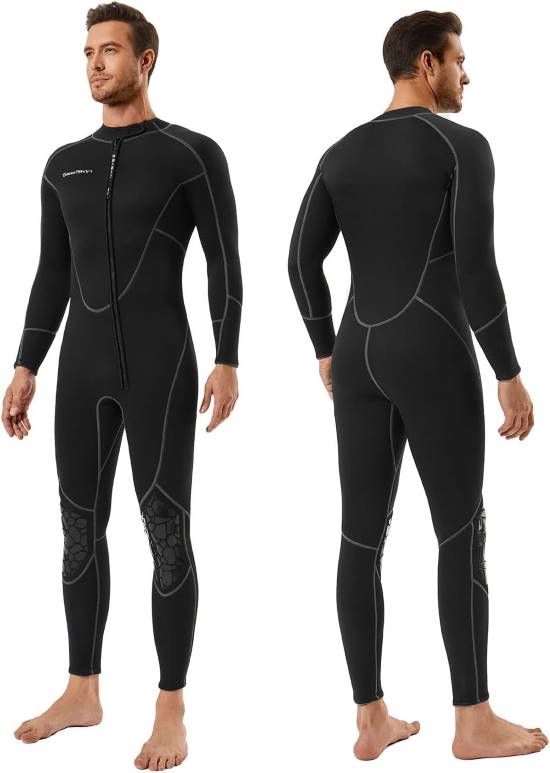
The Seaskin shorty fills a specific niche for late spring and early autumn surfing. During 62°F sessions, it provides core protection while allowing leg freedom that full suits restrict. The abbreviated design suits surfers who overheat easily or surf in conditions that hover between needing a wetsuit and not needing one.
This wetsuit works for surfers in temperate climates where water rarely drops below 58°F. It excels during Indian summer swells and late spring sessions when morning water feels chilly but afternoon sun warms things up. Dawn patrol surfers appreciate the core warmth without full coverage, though exposed legs feel cold during extended sessions in sub-60°F water.
The back zip entry makes it simple to get in and out quickly. The fit runs slightly small, so ordering up one size typically provides better comfort. The torso length works well for average heights but may feel short on taller frames.
Features:
- Shorty design provides core thermal protection while maximizing leg mobility and comfort
- 3mm thickness balances warmth with flexibility for active surfing
- Flatlock stitching creates durable seams that withstand the stretching inherent in shorty designs
- Back zip with adjustable collar allows easy entry and customizable neck fit
- Reinforced seat panel adds durability to high-wear areas from sitting on the board
- Unisex sizing accommodates various body types with a single design
Pros:
- Perfect for transitional water temperatures
- Greater freedom of movement than full suits
- Less restrictive for surfers who dislike full coverage
- Quick to put on and remove
- Dries faster than full wetsuits
- Good value for seasonal use
- Lighter and easier to travel with than full suits
Cons:
- Inadequate for true cold water surfing below 58°F
- Exposed legs lose heat during long sessions
- Limited season of usefulness in most climates
- Runs small and requires careful sizing
- Less thermal protection than full coverage alternatives
- Not suitable for early morning sessions in cold water
- Short torso length on some body types
O’Neill Reactor II 3/2mm Back Zip Full Wetsuit
Best Overall Balance of Price, Performance, and Durability
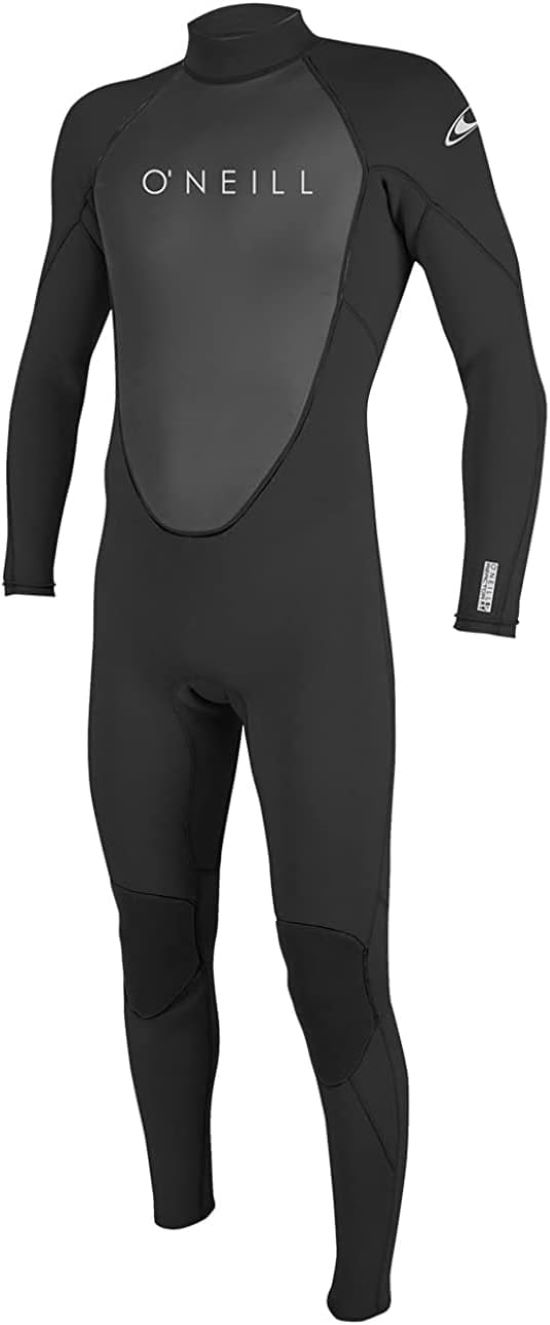
The O’Neill Reactor II represents what most surfers actually need rather than what marketing suggests they want. After extensive testing across various conditions, this suit delivers reliable warmth in 52°F to 62°F water without the premium price tag. The FluidFlex neoprene stretches naturally through aggressive surfing while maintaining its shape session after session.
This wetsuit serves intermediate to advanced surfers who understand that expensive suits provide marginal gains over quality mid-range options. It handles regular use without the rapid deterioration that plagues truly cheap suits. Three sessions per week over a full season reveal minimal seam degradation and consistent thermal properties.
The strategic paddle zones actually work. Shoulder fatigue during long paddle-outs feels noticeably less than suits without this feature. The krypto knee pads prevent the typical wear pattern that destroys cheaper suits within months. The overall construction quality reflects O’Neill’s decades of wetsuit manufacturing experience.
Features:
- FluidFlex firewall insulation creates a thermal barrier that retains body heat while allowing natural movement
- Strategic seamless paddle zones reduce shoulder restriction during the repetitive paddling motion that dominates most surf sessions
- Krypto knee padz protect high-wear zones from the abrasion that typically causes premature suit failure
- Flatlock seam construction provides durability and comfort through thousands of stretching cycles
- Double Super Seal neck creates an effective barrier against water entry at a vulnerable thermal loss point
- Quality control standards from an established surf brand ensure consistent sizing and construction
Pros:
- Exceptional durability for the price category
- Proven thermal performance across appropriate temperature range
- Natural feeling flex during all surfing movements
- True to size fit simplifies online ordering
- Easy back zip entry system
- Suitable for regular use without rapid degradation
- Strong resale value due to brand recognition
Cons:
- Back zipper allows more flushing than chest zip designs
- Not warm enough for extreme cold water below 50°F
- Heavier than premium lightweight alternatives
- Neoprene will compress with heavy daily use
- Limited style options compared to fashion-forward brands
- Entry-level suit lacks some premium features
- Drying time longer than high-end quick-dry materials
Lemorecn 3mm Full Wetsuit
Best for Occasional Cold Water Surfers on Tight Budgets
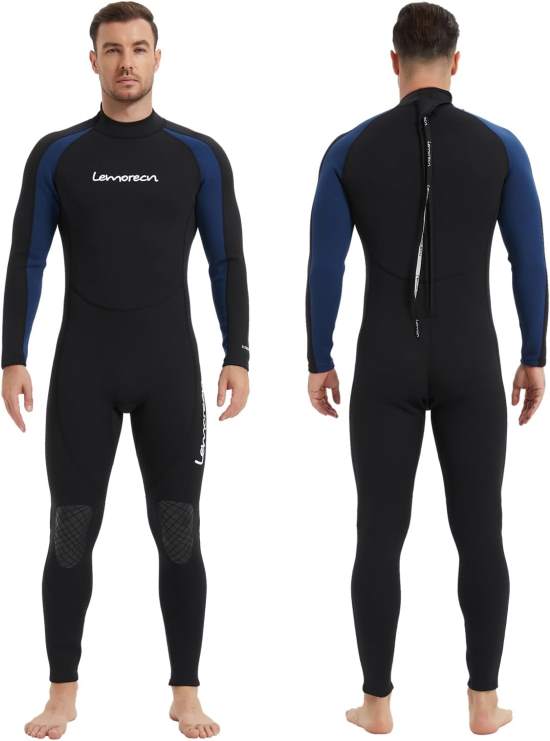
The Lemorecn wetsuit delivers basic cold water protection without pretending to compete with established surf brands. During 56°F sessions, it keeps you functional for 60 to 75 minutes before cold starts affecting performance. The suit works adequately for its price point, though direct comparison with premium options reveals obvious compromises.
This wetsuit suits occasional cold water surfers who surf monthly rather than weekly. It handles vacation surf trips and sporadic local sessions without the investment that dedicated cold water surfers require. The material feels noticeably stiffer than premium neoprene, which affects paddling efficiency but not catastrophically.
The fit runs inconsistent between sizes, making it important to check measurements carefully rather than relying on standard sizing. Some units fit perfectly while others feel oddly proportioned, suggesting quality control variations. The seams hold together through recreational use but show stress with intensive surfing.
Features:
- Budget-friendly price provides cold water access for surfers who cannot justify premium wetsuit investments
- 3mm neoprene offers reasonable thermal protection for moderate cold water conditions
- Back zip design simplifies entry for surfers who change alone in parking lots
- Basic flatlock seams provide adequate durability for occasional recreational use
- Reinforced knees add some protection to vulnerable high-wear areas
- Multiple color options allow personal style expression even at the budget tier
Pros:
- Extremely affordable entry into cold water surfing
- Adequate thermal protection for moderate cold conditions
- Suitable for occasional recreational use
- Easy to put on and remove
- Acceptable quality for the price paid
- Available in various color combinations
- Good option for growing teenagers who outgrow suits quickly
Cons:
- Inconsistent sizing and quality control
- Stiffer material restricts movement compared to quality suits
- Seams show stress with regular aggressive use
- Not suitable for serious cold water surfing
- Water flushing more pronounced than better sealed suits
- Material durability questionable with frequent use
- Generic fit does not accommodate all body types well
- Thermal protection adequate but not impressive
OMGear 3mm Women’s Full Wetsuit
Best Women’s Specific Design for Cold Water Surfing
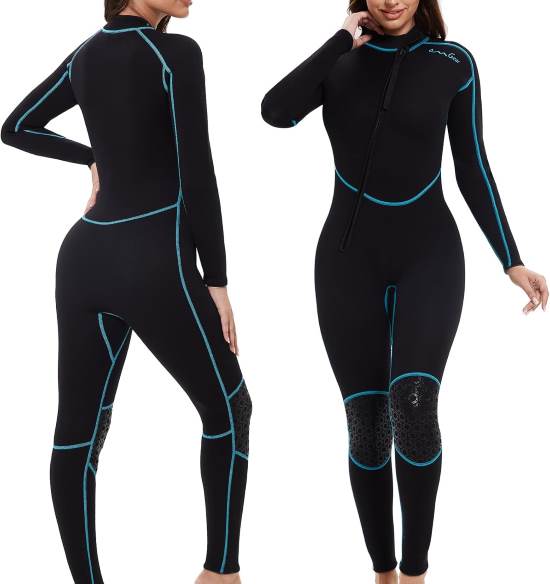
The OMGear women’s wetsuit addresses the frustrating reality that most “women’s” wetsuits are simply smaller men’s designs. The paneling actually follows female body proportions, creating a fit that works rather than just exists. During 54°F sessions, the thermal protection matches unisex alternatives while the fit significantly improves comfort and performance.
This wetsuit serves female surfers who have struggled with gapping, binding, or awkward fits from unisex designs. The chest and hip areas accommodate female anatomy without excess material or uncomfortable compression. The torso length suits various heights without riding up or feeling too long.
The back zip system allows independent entry and exit, which matters when changing alone in parking lots or beaches. The neck seal sits comfortably without the gapping that plagues poorly fitted suits. Overall construction quality appears solid for the price category, though it positions itself as affordable rather than premium.
Features:
- Women’s specific paneling creates a fit that accommodates female body proportions rather than forcing adaptation to male patterns
- 3mm thickness balances thermal protection with flexibility for active surfing
- Flatlock seam construction reduces chafing in areas where women’s bodies contact seams differently than men’s
- Back zip design allows easy solo entry without requiring assistance or contortion
- Adjustable neck closure accommodates different neck sizes and personal preference for tightness
- Four-way stretch neoprene moves naturally through the full range of surfing motions
Pros:
- Actually fits female body shapes properly
- Comfortable for extended wear without pressure points
- Adequate thermal protection for moderate cold water
- Easy to put on and remove alone
- Reasonable price for women’s specific design
- Good range of motion for paddling and surfing
- Available in multiple sizes to fit various body types
Cons:
- Not the warmest option for extreme cold water
- Seam durability concerns with daily intensive use
- Back zip allows more water entry than chest zip
- Limited brand recognition compared to major names
- Sizing may still require trial to find perfect fit
- Material not as stretchy as premium alternatives
- Fewer color and style options than some competitors
Things to Consider Before Buying Heated Wetsuits for Cold Water Surfing
Understanding Temperature Ratings
Wetsuit temperature ratings provide rough guidelines rather than absolute rules. Your cold tolerance, body composition, session length, and activity level all affect how warm a suit keeps you. A 3/2mm suit rated for 52°F to 62°F might feel perfect during an active 60-minute session but inadequate for a mellow two-hour longboard session in the same water.
Water temperature differs from air temperature significantly. A 55°F ocean feels dramatically colder than 55°F air because water conducts heat away from your body much faster. Check actual water temperature rather than assuming based on air temperature or season. Coastal water temperatures lag seasonal changes by several weeks.
Thickness and Flexibility Trade-offs
Thicker neoprene provides more warmth but restricts movement. A 3/2mm suit balances thermal protection with the flexibility necessary for performance surfing. The “3/2” designation means 3mm through the torso and 2mm through the arms and legs, providing warmth where you need it while maintaining limb mobility.
Beginners often assume thicker always means better. A 4/3mm or 5/4mm suit might keep you warmer but will tire you faster through increased paddling resistance and restricted movement. Match thickness to actual water conditions rather than buying the thickest suit available.
Fit Makes or Breaks Performance
A properly fitted wetsuit feels uncomfortably tight when dry. The neoprene needs to compress against your skin to minimize water circulation and maximize warmth. If a suit feels comfortable in the shop, it probably fits too loosely for optimal performance in the water.
However, a suit should not restrict breathing or prevent full range of motion. Test the fit by simulating paddling movements and pop-ups in the changing room. Raise your arms fully overhead. Squat down. If the suit prevents these movements or rides up excessively, the fit needs adjustment.
Common Buyer Mistakes
Buying based on brand prestige rather than actual needs wastes money. Established surf brands offer quality but charge premium prices for features many surfers never use. For recreational surfing two or three times per month, a mid-range suit performs nearly identically to a premium option costing twice as much.
Choosing the wrong entry system causes ongoing frustration. Back zip suits are easier to put on alone but allow more water flushing. Chest zip suits seal better but require practice to enter and exit efficiently. Match the entry system to your changing situation and priorities.
Ignoring seam construction leads to premature failure. Flatlock seams lay flat and feel comfortable but allow water through the stitching. Glued and blind stitched seams keep more water out but add cost. Liquid sealed seams provide maximum water blocking but appear only on premium suits. Consider how much water intrusion you tolerate versus how much you want to spend.
Matching Suit to Surfing Style
Aggressive shortboarders need maximum flexibility through the shoulders and lower back. Look for suits with strategic stretch panels or seamless paddle zones that reduce restriction during explosive movements. Thickness becomes secondary to mobility if you surf aggressively.
Longboarders and cruisers prioritize warmth over flexibility. The less dynamic movements of traditional longboarding allow wearing thicker suits without performance penalties. A 4/3mm suit that would exhaust a shortboarder works perfectly for mellower surfing styles.
Seasonal and Geographic Considerations
Southern California cold water differs vastly from Northern California cold water. Understanding your local water temperature patterns prevents buying inadequate protection. Research average water temperatures for your region across the season rather than guessing.
Transitional seasons create confusion. Spring and fall water temperatures fluctuate weekly as ocean currents shift and seasonal patterns change. A wetsuit that worked perfectly last week might feel wrong this week as water warms or cools several degrees. Having two suits of different thicknesses solves this problem but doubles the investment.
Maintenance Affects Longevity
Rinsing suits thoroughly after each session dramatically extends their life. Salt water degrades neoprene and corrodes zippers. Fresh water rinsing takes two minutes and prevents most premature deterioration. Hang suits inside out on wide hangers, never in direct sunlight which breaks down neoprene.
Proper storage matters as much as proper use. Folding wetsuits creates permanent creases that become weak points. Hanging on wire hangers concentrates weight on small points that stretch the shoulders. Wide plastic hangers distribute weight properly and maintain suit shape between sessions.
Related:
Go Green: Best Eco Surfboards, Wetsuits And Accessories
What to Wear Under Wetsuit for Cold Surfing Conditions
Conclusion
Cold water surfing requires adequate thermal protection to remain enjoyable and safe. The wetsuits reviewed here provide options across different budgets, body types, and surfing styles. The O’Neill Reactor II offers the best overall value for most surfers, balancing proven performance with reasonable pricing. The Surf Squared appeals to environmentally conscious surfers willing to pay slightly more for limestone-based construction. Female surfers find better fit with the OMGear women’s specific design than struggling with poorly adapted unisex options.
Choose based on your actual surfing frequency, local water temperatures, and budget reality rather than aspirational thinking. A well-fitted mid-range suit that you maintain properly outperforms a premium suit that fits poorly or gets neglected. Prioritize proper fit over brand names, match thickness to your actual conditions, and remember that the best wetsuit is the one that gets you in the water consistently throughout the cold season.
Frequently Asked Questions
How long should a wetsuit last with regular use?
A quality wetsuit used two to three times per week typically lasts two to three seasons with proper care. Daily surfers might see 12 to 18 months before noticeable performance degradation.
Can you wear anything under a wetsuit for extra warmth?
Wearing additional layers under a wetsuit disrupts the thin water layer that provides insulation and usually makes you colder rather than warmer.
What thickness wetsuit do you need for different water temperatures?
Water between 60°F and 68°F typically requires a 3/2mm fullsuit or springsuit depending on session length and personal cold tolerance.
Do expensive wetsuits actually work better than budget options?
Premium wetsuits use lighter, stretchier neoprene that reduces fatigue during long sessions and improves performance during aggressive surfing.
Should you size up or down if between sizes?
Wetsuits should fit very snugly when dry, so if you fall between sizes, choose the smaller size in most cases. The neoprene will stretch slightly with use and conform to your body shape.