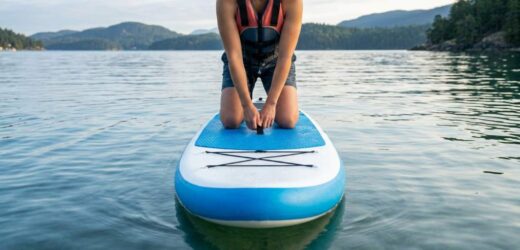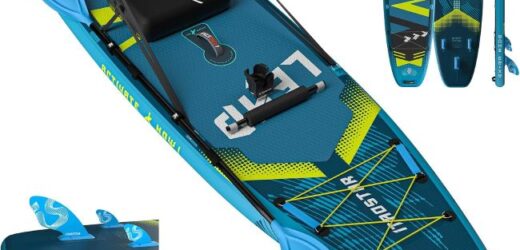

Yes, the Roc Inflatable Stand Up Paddle Board 106 makes sense for beginners and casual paddlers. Its 10-foot-6-inch profile balances stability, portability, storage, and everyday versatility. The Roc Inflatable Stand Up Paddle Board 106 also arrives as a practical package, reducing the need for immediate accessory purchases. Roc reports more than 500,000 boards sold and over 10,000 five-star reviews across its products. Those figures suggest strong market adoption, although individual experiences can still vary.
More importantly, this board targets people who want useful performance without complicated ownership. Its wide platform supports confident standing, while its inflatable design simplifies transportation and storage. Therefore, it deserves consideration when convenience matters as much as paddling performance.
Key Takeaways
- The 10-foot-6-inch length offers a useful balance between glide and maneuverability.
- The wide deck helps beginners build confidence during standing and turning.
- The inflatable construction simplifies transportation, storage, and seasonal ownership.
- The included accessories reduce the number of purchases needed before your first outing.
- The board suits lakes, calm rivers, recreational cruising, fitness, and light touring.
- Advanced racers and aggressive surf paddlers should consider specialized boards instead.
What Makes This Roc SUP Worth Considering?
The strongest reason to buy this board involves balance rather than one spectacular specification. Roc combines a recreational length, generous width, inflatable construction, and useful accessories into one approachable package. As a result, beginners can focus on learning instead of managing specialized equipment.
Furthermore, the 10-foot-6-inch size sits between compact recreational boards and longer touring models. That position gives the board enough length for comfortable cruising without creating excessive transport challenges. For many owners, that middle ground becomes more valuable than outright speed.
A Practical Size for Everyday Paddling
Board dimensions strongly influence how an inflatable SUP behaves on water. A 10-foot-6-inch board can glide efficiently while remaining easier to turn than longer touring designs. Meanwhile, the broad platform provides useful stability when standing, kneeling, or carrying light gear.
This balance particularly helps first-time paddlers who still develop efficient paddle strokes. A board that feels predictable can reduce unnecessary corrections and make learning more enjoyable. Therefore, the Roc profile works well for relaxed recreational sessions rather than racing.
Stability That Helps Beginners Progress
Stability often matters more than speed during the first several paddleboarding sessions. A wider standing area gives beginners more room to shift their weight without immediately losing balance. That extra confidence can make the transition from kneeling to standing much easier.
Additionally, stability benefits experienced paddlers during casual activities. You can move around, adjust equipment, photograph scenery, or carry modest supplies without demanding racing-level balance. However, greater width can slightly reduce efficiency compared with narrow touring boards.
Why Stability Matters Beyond Beginners
Beginners are not the only paddlers who benefit from a stable platform. Families, recreational users, fitness enthusiasts, and casual photographers often prioritize confidence over maximum speed. Consequently, the Roc can serve multiple users without requiring separate boards for different activities.
Still, stability does not eliminate the need for proper technique. Correct inflation, balanced loading, and sensible water conditions all influence how stable an inflatable board feels. Always follow the manufacturer’s pressure and loading recommendations for your specific model.
Portability Changes the Ownership Experience
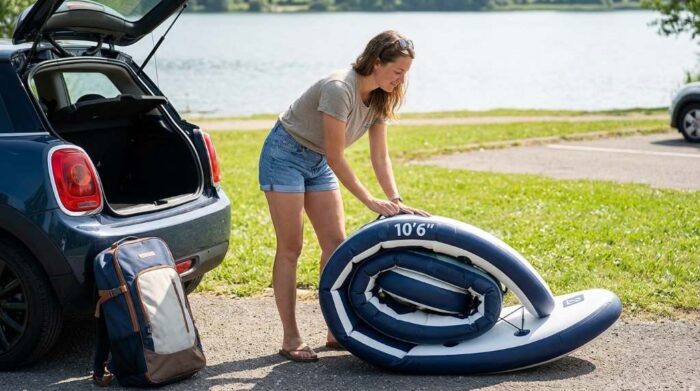
Hard paddleboards create an immediate transportation problem for many owners. You need suitable roof storage, adequate vehicle space, and a secure way to move the board. An inflatable SUP removes much of that friction by deflating into a compact package.
After use, you can deflate the board, roll it, and store it in a suitable carrying bag. That approach can work especially well for apartments, smaller garages, and vehicles with limited cargo space. Moreover, easier storage can encourage more frequent use because preparation becomes less demanding.
Better for Road Trips and Limited Storage
The inflatable format also makes weekend trips considerably easier to organize. You can transport the board alongside camping equipment without installing permanent roof racks. Likewise, seasonal storage requires far less physical space than a rigid SUP.
However, portability does not mean zero effort. You still need time for inflation, deflation, drying, and proper packing after every session. An electric pump can make repeated setup considerably more convenient.
The Complete Kit Can Improve Value
Buying a paddleboard often involves more than purchasing the board itself. A paddle, pump, leash, fin, carrying bag, and repair supplies can quickly increase the total cost. Therefore, a complete package can provide better practical value for first-time buyers.
The Roc package typically focuses on providing the essential equipment needed for recreational paddling. That approach lets beginners start with fewer compatibility concerns and fewer separate purchases. Nevertheless, accessory quality can differ from premium standalone equipment.
What You Should Check Before Your First Launch
- Inspect the board and seams before every session.
- Inflate the board according to the manufacturer’s recommended pressure.
- Secure the fin before entering the water.
- Adjust the paddle to suit your height and paddling position.
- Attach the leash correctly when conditions and local rules permit.
- Carry appropriate safety equipment for your water environment.
These simple checks take little time but can prevent avoidable problems. In particular, correct inflation affects stiffness, tracking, and overall handling. Never substitute assumptions for the specifications supplied with your exact board.
Where the Roc 106 Performs Best
This board makes the most sense when your priorities center on recreation rather than competition. Calm lakes, protected waterways, slow rivers, and suitable coastal conditions fit its intended recreational role. Its versatile shape also supports relaxed cruising and light fitness sessions.
For fishing, the stable deck can provide useful standing space for basic equipment. Similarly, casual yoga sessions benefit from a platform that does not demand constant balance corrections. Yet specialized fishing or yoga boards can provide better layouts for dedicated users.
Best Uses at a Glance
| Use Case | Why It Works | Important Consideration |
|---|---|---|
| Beginner paddling | Stable platform supports easier learning | Practice balance before longer trips |
| Lake cruising | Good recreational length and tracking | Check wind conditions first |
| Fitness | Provides useful standing and movement space | Choose calm water for balance work |
| Fishing | Stable deck supports light equipment | Keep the load properly distributed |
| Family recreation | Wide platform offers flexible use | Respect the stated weight capacity |
| Travel | Inflatable design simplifies transportation | Allow drying time before storage |
How It Compares With Longer Touring Boards
Longer touring boards usually prioritize glide, tracking, and efficient straight-line travel. That makes them attractive for paddlers planning extended distances or multi-hour excursions. However, their extra length can make transportation, storage, and turning less convenient.
The Roc 10-foot-6-inch format offers a more balanced recreational approach. It can cruise comfortably without committing you to a specialized touring shape. Therefore, casual paddlers may gain more from its versatility than from a longer board.
How It Compares With Narrower SUPs
Narrow boards can feel faster and more responsive once a paddler develops strong technique. However, they generally demand more precise balance and weight control. For beginners, that trade-off may create frustration during the learning stage.
A wider Roc platform shifts the priority toward confidence and predictable handling. Consequently, new paddlers can concentrate on paddle technique instead of constantly correcting their stance. Experienced users may still prefer narrower designs when speed becomes the main objective.
What Competitor Reviews Often Miss
Many competing articles focus heavily on dimensions, ratings, accessory lists, and generic pros and cons. Those details help, but they rarely explain whether the board fits a particular ownership pattern. A better buying decision starts with how often, where, and why you will paddle.
The overlooked issue is total ownership effort. Inflation time, drying requirements, storage space, accessory quality, transport distance, and maintenance can influence satisfaction more than another inch of width. Therefore, evaluate the board as a complete ownership system.
Ask These Questions Before Buying
- Where will you normally paddle?
- How far must you carry the board from your vehicle?
- Where will you store it between sessions?
- Will one person normally use the board?
- Will you carry equipment, a child, or a pet?
- How frequently will you inflate and deflate it?
- Do you prioritize stability or maximum speed?
Your answers can reveal whether this board actually matches your needs. For example, frequent long-distance paddlers may benefit from a touring-focused design. Conversely, occasional recreational users may value portability and simplicity more.
Potential Drawbacks You Should Know
No inflatable SUP performs perfectly across every paddling category. The Roc’s recreational design prioritizes stability and versatility rather than racing speed or aggressive wave performance. That trade-off should guide your expectations before purchase.
Manual inflation can also become tiring when you paddle frequently. Similarly, included accessories usually provide convenience rather than premium-level performance. Fortunately, you can upgrade individual accessories later without replacing the entire board.
When You Should Choose Another Board
Consider another SUP if racing performance represents your primary goal. A dedicated touring board can provide better glide and directional efficiency during long-distance sessions. Likewise, serious surf users may prefer shorter boards designed specifically for wave maneuverability.
You should also reconsider the purchase if your planned load approaches the maximum capacity. Weight capacity includes people and equipment, not just the primary paddler. Leaving reasonable capacity margin generally provides a more comfortable and predictable ride.
How to Get Better Performance From It
Correct setup can make a noticeable difference in how an inflatable SUP behaves. Always reach the manufacturer’s recommended pressure before judging stiffness or stability. An underinflated board can feel softer and less responsive than intended.
Next, distribute equipment evenly across the deck. Keep heavier items centered and secured rather than placing everything at the nose or tail. This simple adjustment can improve balance and reduce unnecessary drag.
Simple Ownership Routine
- Rinse the board after saltwater or dirty-water sessions.
- Remove sand and debris from valves, fins, and deck areas.
- Dry the board thoroughly before long-term storage.
- Inspect seams, valves, and accessories regularly.
- Store the board away from unnecessary heat and prolonged sunlight.
- Keep repair materials available for minor damage.
These habits protect your investment and reduce avoidable equipment problems. Furthermore, routine inspection helps identify small issues before they become inconvenient failures. Good maintenance can matter just as much as the original board specification.
Is the Roc 106 Worth Buying?
For the right paddler, the answer is yes. The board combines approachable stability, useful dimensions, portable storage, and a practical accessory package. Those characteristics create a strong proposition for recreational owners who value convenience.
However, value depends on matching the board to your intended activity. Choose it for relaxed cruising, beginner learning, fitness, family recreation, and practical travel. Choose a specialized alternative when speed, racing, advanced touring, or aggressive surfing dominates your priorities.
Who Will Get the Most Value?
| Paddler Type | Fit | Main Reason |
|---|---|---|
| First-time owner | Excellent | Stable and straightforward recreational design |
| Casual paddler | Excellent | Versatile size and easy storage |
| Family user | Very good | Useful deck space and recreational stability |
| Fitness user | Very good | Comfortable platform for movement |
| Long-distance tourer | Moderate | Longer touring shapes may track better |
| Competitive racer | Limited | Racing boards prioritize speed and efficiency |
| Dedicated surf paddler | Limited | Shorter specialized boards turn more aggressively |
Final Verdict
The Roc 10-foot-6-inch inflatable SUP earns attention because it solves several beginner problems simultaneously. It offers a stable platform, manageable transportation, flexible recreational use, and a practical starting package. Most importantly, it avoids forcing casual paddlers into specialized equipment.
Before buying, verify the exact model specifications, current package contents, pressure requirements, and weight capacity. If those details match your intended water activities, the Roc can be a sensible addition to your outdoor gear. Choose your board based on real usage rather than headline specifications alone.
Ready to make a decision? Compare the board’s current specifications with your paddling location, storage space, expected load, and preferred activities. If those four factors align, the Roc deserves a place on your shortlist.
Frequently Asked Questions
Is the Roc 10-foot-6-inch paddle board good for beginners?
Yes, its broad recreational platform provides the stability many beginners need while learning basic SUP skills.
Is the Roc 10-foot-6-inch board portable?
Yes, its inflatable construction lets you deflate, roll, transport, and store it more easily than rigid boards.
Can you use this Roc SUP for fishing?
Yes, it can support light recreational fishing when you distribute equipment properly and stay within its capacity.
Is the Roc 10-foot-6-inch SUP good for long-distance touring?
It can handle recreational touring, but dedicated longer touring boards usually provide better straight-line efficiency.
Should you buy the Roc 10-foot-6-inch paddle board?
Buy it if you prioritize stability, portability, versatility, and convenience over specialized racing or surf performance.