
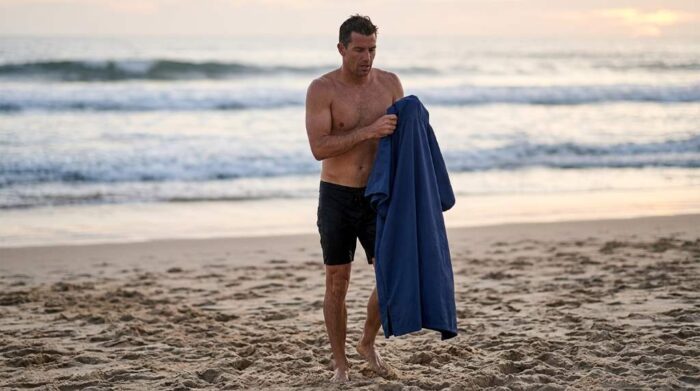
To dry faster, rinse your poncho, squeeze gently, then hang it fully open in moving air. The Sun Cube Surf Poncho uses 100% microfiber polyester and measures about 44 inches long. Those features help it absorb water while remaining lightweight enough for efficient drying. However, your drying technique still determines how quickly moisture leaves the fabric. Proper airflow matters more than simply placing the poncho under strong sunlight. With the right routine, you can reduce dampness, prevent musty odors, and prepare the poncho sooner.
Key Takeaways
- Rinse salt, chlorine, sand, and sunscreen residue away immediately after use.
- Press excess water out gently instead of twisting or aggressively wringing.
- Hang the poncho completely open so air reaches both fabric surfaces.
- Prioritize airflow over intense direct sunlight when choosing a drying location.
- Use a low-heat dryer only when the care instructions permit machine drying.
- Never store the poncho while hidden moisture remains inside thicker areas.
Why Your Drying Method Matters
A wet surf poncho holds water between fibers, seams, folds, and thicker sections. Therefore, simply hanging it without preparation can leave hidden moisture behind. Air movement removes that moisture more efficiently than heat alone. Consequently, positioning becomes one of the most important parts of your drying routine.
Microfiber can dry relatively quickly because its lightweight synthetic fibers release moisture efficiently. However, saturated fabric still needs adequate evaporation conditions. Humid air, poor ventilation, and compact folding can dramatically slow that process. Therefore, focus on removing excess water before improving airflow.
The Biggest Drying Mistake
Many surfers immediately toss a wet poncho over a narrow hook. Unfortunately, that position creates overlapping layers that trap moisture inside. Instead, spread the body, hood, sleeves, and pocket area as widely as possible. This simple adjustment exposes more surface area to circulating air.
Start Drying Before You Leave the Beach
Your fastest drying routine begins immediately after your water session ends. First, shake the poncho outside to release loose sand and surface debris. Next, rinse it with fresh water when saltwater or chlorine remains on the fabric. Finally, remove excess water before hanging it somewhere ventilated.
Salt and chlorine can remain inside damp fibers after repeated water exposure. Meanwhile, sunscreen and body oils can create residue that affects fabric performance. A quick freshwater rinse helps remove these contaminants before drying begins. As a result, the fabric can remain cleaner and easier to dry between deeper washes.
Use the Right Squeezing Technique
Do not twist the poncho tightly because twisting places unnecessary stress on seams and fibers. Instead, gather manageable sections and press them gently between your hands. You can also roll the poncho loosely and apply light pressure. Then unroll it and repeat the process before hanging.
Avoid aggressive wringing when the poncho feels heavily saturated. Wringing can distort the fabric and place excessive strain on stitched areas. Gentle compression removes significant surface water without unnecessary mechanical stress. Therefore, spend a few extra seconds pressing rather than twisting.
Hang the Poncho for Maximum Airflow
After removing excess water, hang the poncho in its most open position. Use the sewn-in hanging handle when available for convenient positioning. Keep the bottom opening unobstructed so air can travel through the garment. Also separate folded edges around the hood and pocket.
A wide hanger can improve airflow compared with a thin hook or crowded rack. Spread the shoulders naturally without bunching the fabric around the neckline. Keep the front and back surfaces exposed whenever possible. This setup allows moving air to contact more damp material simultaneously.
Position the Hood Correctly
The hood often dries slower because its fabric overlaps around the neckline. Pull the hood open rather than leaving it collapsed against the body. If necessary, place the hood over a separate hanger section. This creates additional space for airflow around the damp interior.
Do Not Hide the Pocket
The front pocket can retain water longer than exposed sections of the poncho. Open the pocket completely before hanging the garment. Check inside the pocket before packing the poncho away. This small step prevents one hidden wet area from creating a musty smell.
Choose Airflow Over Extreme Heat
Strong airflow often provides a better drying environment than intense heat. Place your poncho near an open window, fan, balcony, or breezy outdoor area. Avoid crowded bathrooms because humid air slows evaporation. Similarly, avoid enclosed vehicles when the interior lacks ventilation.
A fan can accelerate drying when outdoor airflow remains weak. Position the fan so air moves across the poncho rather than directly into one small area. Keep enough space between the fan and fabric for broad circulation. This approach helps multiple damp sections lose moisture simultaneously.
Why Air Movement Works
Evaporation slows when humid air remains trapped around wet fabric. Moving air replaces that humid layer with drier surrounding air. Consequently, moisture can leave the microfiber surface more efficiently. Therefore, ventilation often matters more than simply increasing temperature.
Should You Use Direct Sunlight?
Sunlight can provide warmth, but direct exposure should not become your primary drying strategy. Extended ultraviolet exposure can fade colors and gradually stress some synthetic materials. Instead, choose bright shade with strong natural airflow whenever practical. You still gain ventilation without unnecessary prolonged UV exposure.
If you need faster drying outdoors, select a breezy shaded location first. A covered balcony or ventilated porch can work especially well. Rotate the poncho occasionally so different sections receive comparable airflow. This method balances drying speed with long-term fabric care.
When Sunlight Helps
Short periods of mild sunlight can help when airflow remains adequate. However, avoid leaving the poncho exposed for hours simply because the fabric feels damp. Check the material periodically and move it into shade once surface moisture decreases. This approach reduces unnecessary heat and ultraviolet exposure.
How to Dry the Poncho Faster Indoors
Indoor drying works well when outdoor conditions remain humid, rainy, or poorly ventilated. Hang the poncho near circulating air without placing it against a wall. Keep doors or windows open when outdoor humidity permits. Then reposition the garment after several hours to expose previously covered sections.
A portable fan provides another practical solution for indoor drying. Place the fan several feet away and aim airflow across the widest part. Open the hood and pocket before starting the fan. Continue until the entire garment feels uniformly dry rather than merely dry on the surface.
Use a Drying Rack When Possible
A drying rack gives the poncho more space than a single hanger. Spread the garment across multiple bars without creating thick folds. Leave gaps between the fabric and nearby clothing. Consequently, air can circulate around more of the poncho.
Can a Dryer Make It Dry Faster?
Yes, a dryer can speed up the process when the product care instructions allow machine drying. SUN CUBE product descriptions commonly specify tumble drying on low heat. Always prioritize the care instructions attached to your specific poncho. High temperatures can create unnecessary stress for synthetic fibers and stitching.
Before using a dryer, remove as much water as possible through gentle pressing. Choose the lowest suitable heat setting and avoid excessive drying time. Remove the poncho promptly when the cycle finishes. Then hang it briefly if any interior sections still feel damp.
Why High Heat Creates Problems
High heat does not automatically produce better drying results. Excessive temperatures can affect synthetic materials, seams, prints, and overall fabric feel. Therefore, use controlled low heat instead of chasing the fastest possible cycle. Gentle drying usually offers a better balance between speed and longevity.
Drying After Saltwater, Pool, or Heavy Sand Exposure
Different water conditions create different drying challenges. Saltwater leaves mineral residue, while pools introduce chlorine and other treatment chemicals. Sand can also lodge inside seams, pockets, and fabric folds. Address these contaminants before focusing exclusively on drying speed.
| Situation | First Step | Best Drying Approach |
|---|---|---|
| Saltwater | Freshwater rinse | Open hanging with strong airflow |
| Pool water | Freshwater rinse | Ventilated shade or low heat |
| Heavy sand | Shake and remove debris | Airflow after cleaning |
| Very wet fabric | Gentle compression | Wide hanging with airflow |
After a sandy session, let loose particles fall away before placing the poncho inside your vehicle. Shake the garment outdoors and inspect pockets carefully. Rinse remaining particles away when necessary. Then begin the normal drying routine.
A Fast-Drying Routine for Multiple Surf Sessions
Multiple sessions require a more deliberate routine because the poncho may not fully dry between activities. After the first session, rinse it and press out excess water immediately. Hang it fully open in the strongest available airflow. During the break, rotate or reposition it once to expose hidden damp areas.
If the poncho remains damp before your next session, avoid folding it into a compact bag. Instead, carry it loosely where ventilation remains available. A breathable setup reduces moisture buildup during transportation. Once you reach your next location, hang it open again.
The 10-Minute Reset
When time feels limited, focus on the three actions that produce the biggest improvement. Rinse the fabric, press out excess water, and maximize airflow immediately. Then open the hood and pocket before hanging. These steps remove avoidable moisture without requiring specialized equipment.
How to Tell Whether It Is Truly Dry
Surface dryness does not always mean the entire poncho has dried. Feel the hood, neckline, pocket, seams, and thicker folded areas individually. Check the underside after several hours of hanging. If any section feels cool or clammy, continue drying.
Smell can also reveal trapped moisture before visible dampness appears. A musty odor usually signals incomplete drying or poor ventilation. Do not fold the poncho simply because the exterior looks dry. Instead, give questionable areas additional airflow.
Common Drying Mistakes to Avoid
- Folding while wet: Moisture becomes trapped between compact fabric layers.
- Leaving the hood collapsed: Overlapping fabric slows evaporation around the neckline.
- Using high heat: Excessive temperatures can stress synthetic fibers and seams.
- Ignoring the pocket: Hidden moisture can remain inside longer than exposed fabric.
- Drying in humid rooms: Moist surrounding air reduces evaporation efficiency.
- Storing immediately: Remaining moisture can create unpleasant odors over time.
Another common mistake involves hanging the poncho beside other wet equipment. Crowded gear creates a humid microenvironment around the fabric. Separate the poncho from wetsuits, towels, and soaked clothing whenever possible. Better spacing usually produces noticeably better airflow.
Best Drying Setup by Situation
| Condition | Recommended Setup | What to Avoid |
|---|---|---|
| Sunny and breezy | Bright shade with open hanging | Extended direct exposure |
| Rainy outdoors | Indoor rack with fan | Closed humid rooms |
| Traveling | Loose hanging with ventilation | Sealed wet storage |
| Between sessions | Rinse, compress, then airflow | Folding while saturated |
| Limited time | Fan plus fully opened fabric | Leaving layers bunched |
Care Habits That Keep Drying Fast
A poncho that stays clean usually dries more predictably between sessions. Wash it according to its care instructions and use a gentle detergent. Avoid fabric softener because residue can reduce absorbency. Also remove salt, chlorine, sand, and sunscreen buildup regularly.
After washing, avoid leaving the poncho compressed inside the machine. Remove it promptly and restore its shape before drying. Then spread it open in a ventilated location. These habits reduce unnecessary drying time and help preserve the fabric.
Store It Only When Completely Dry
Proper storage begins after the final moisture has disappeared. Check the hood, pocket, seams, and lower edges before folding. If everything feels dry, fold the poncho loosely and store it somewhere clean. Avoid sealed storage when even slight dampness remains.
A Simple Dry-Fast Checklist
- Shake out sand and debris.
- Rinse away salt or chlorine.
- Press out excess water gently.
- Open the hood and pocket.
- Hang the poncho fully open.
- Choose strong airflow over extreme heat.
- Rotate the garment during longer drying periods.
- Check hidden areas before folding.
- Store only after complete drying.
This checklist works because it addresses moisture before storage rather than masking the problem afterward. It also reduces unnecessary heat exposure and fabric stress. Most importantly, it makes drying a repeatable routine rather than a guessing game. Once the process becomes automatic, preparation between sessions becomes much easier.
Frequently Asked Questions
How long does a Sun Cube Surf Poncho take to dry?
It can dry within several hours when fully opened in favorable airflow, although humidity changes the timing.
Can I put the Sun Cube Surf Poncho in a dryer?
Yes, use low heat only when your specific care instructions permit tumble drying.
Should I dry the poncho in direct sunlight?
Bright shade with strong airflow usually provides a better balance between drying speed and fabric protection.
Why does my surf poncho still smell after drying?
Trapped moisture, residue, or incomplete washing can cause odors, especially around pockets and folded seams.
How can I dry the poncho faster between surf sessions?
Rinse it, press out excess water, open every section, and place it directly in moving air.
Final Verdict
The fastest approach combines gentle water removal, complete exposure, and continuous airflow. Do not rely on intense sunlight or high dryer temperatures to solve a saturated poncho. Instead, rinse promptly, press gently, and hang the garment completely open. Those simple habits improve drying speed while supporting long-term fabric care.
Use the fast-drying checklist after every session and adjust your setup around weather conditions. If you regularly surf between multiple sessions, add a portable fan or drying rack to your gear. With a consistent routine, your Sun Cube Surf Poncho can stay fresher and ready sooner.