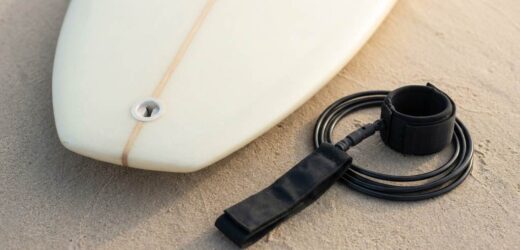

I still remember the first time I took my paddle board out without a fin. The board wobbled uncontrollably, and every stroke felt like a battle to stay on course. It wasn’t until I installed my first fin kit that I realized how much of a difference this small accessory could make. Suddenly, my board tracked straight, turned smoothly, and felt stable even in choppy water. A fin kit isn’t just an add-on—it’s a game-changer for your paddle boarding experience. Whether you’re a beginner or a seasoned pro, the right fin can transform your time on the water.
A SUP fin kit helps improve stability, tracking, and maneuverability, making your paddle boarding sessions more enjoyable and efficient. If you’re new to the world of fins, understanding the basics of a sup fin kit guide can help you choose and install the perfect setup for your board and paddling style. According to a study by Stand Up Paddle Board Magazine, using the right fin can improve your board’s performance by up to 30%, making it a critical investment for any paddler.
Why SUP Fin Kits Are Essential for Better Control
SUP fin kits play a crucial role in enhancing your paddle board’s performance. The fin, located at the bottom of your board, acts like a rudder, helping you maintain a straight line and improving your board’s stability. Without a fin, your board can drift off course, making it harder to paddle efficiently and requiring more effort to stay on track. According to Paddle Boarding Insider, a well-chosen fin can reduce the amount of energy you spend correcting your course, allowing you to paddle farther and faster with less fatigue.
Additionally, fins provide better maneuverability. Depending on the type of fin you choose, you can enhance your board’s ability to turn, carve, or glide through the water. For example, a larger fin offers more stability and tracking, which is ideal for long-distance paddling or touring. On the other hand, a smaller fin allows for quicker turns and better agility, making it perfect for surfing or navigating tight spaces.
For those who paddle in varying conditions, a fin kit can also adapt to different water environments. Whether you’re paddling in flat water, choppy waves, or even shallow areas, the right fin can help you maintain control and stability. This versatility makes fin kits an essential accessory for any paddle boarder looking to optimize their experience on the water.
Types of SUP Fin Kits
Not all SUP fin kits are created equal. The type of fin you choose can significantly impact your board’s performance and your paddling experience. Here are the most common types of SUP fins to consider:
1. Single Fin
Single fins are the most common type of SUP fin and are ideal for general paddling, touring, and flatwater conditions. They provide excellent tracking and stability, helping you maintain a straight line with minimal effort. Single fins are typically larger and more rigid, which enhances their ability to cut through the water and reduce drag.
Additionally, single fins are easy to install and remove, making them a convenient option for paddlers who want a simple, no-fuss setup. They’re also a great choice for beginners, as they provide a good balance of stability and control without requiring advanced techniques.
2. Three-Fin (Thruster) Setup
A three-fin setup, also known as a thruster, consists of one larger center fin and two smaller side fins. This configuration is popular among surfers and paddlers who want a mix of stability and maneuverability. The center fin provides tracking and stability, while the side fins enhance control and allow for sharper turns.
Additionally, a thruster setup is versatile and can adapt to a variety of conditions, from flat water to small waves. It’s a great choice for paddlers who want to experiment with different styles of paddling or who frequently switch between touring and surfing.
3. 2+1 Fin Setup
The 2+1 fin setup features two smaller side fins and one larger center fin, similar to the thruster but with a slightly different configuration. This setup is designed to provide a balance of stability, tracking, and maneuverability, making it a popular choice for all-around paddling. The larger center fin helps with tracking, while the smaller side fins enhance control and agility.
Additionally, the 2+1 setup is often used by paddlers who want the option to remove the center fin for a more playful, maneuverable ride. This can be especially useful for surfing or navigating tight spaces where quick turns are necessary.
4. Quad Fin Setup
A quad fin setup consists of four smaller fins, typically arranged in a square or diamond pattern. This configuration is designed to provide maximum maneuverability and speed, making it a popular choice for surfing or riding waves. The four fins work together to enhance control, allowing for quick, sharp turns and better responsiveness in the water.
Additionally, quad fin setups are often used by more advanced paddlers who prioritize performance and agility. They’re ideal for surfing or riding in choppy conditions where quick adjustments are necessary.
5. Adjustable Fin Systems
Adjustable fin systems allow you to customize the position, angle, and even the type of fin you use on your board. These systems are versatile and can adapt to different conditions, paddling styles, and personal preferences. For example, you can adjust the fin’s angle to enhance tracking or maneuverability, or swap out fins to match the water conditions.
Additionally, adjustable fin systems are a great choice for paddlers who want to experiment with different setups or who frequently switch between different types of paddling. They offer the flexibility to fine-tune your board’s performance to suit your needs.
Key Features to Look for in a SUP Fin Kit
When choosing a SUP fin kit, there are several key features to consider to ensure you get the best performance and value for your money. Here’s what to look for:
1. Fin Material
The material of your SUP fin can impact its durability, performance, and weight. Here are some common options:
- Fiberglass: Lightweight and durable, fiberglass fins are a popular choice for their balance of strength and performance. They’re resistant to cracks and breaks, making them a reliable option for most paddlers.
- Plastic: Affordable and versatile, plastic fins are a great choice for beginners or paddlers on a budget. They’re durable and can handle a variety of conditions, though they may not offer the same level of performance as fiberglass or carbon fiber.
- Carbon Fiber: Lightweight and high-performance, carbon fiber fins are a premium option for serious paddlers. They offer excellent stiffness and responsiveness, making them ideal for racing or high-performance paddling.
- Wood: Aesthetic and eco-friendly, wood fins are a unique and stylish choice. They’re often handcrafted and can provide a natural, organic feel in the water. However, they may require more maintenance and care than other materials.
Additionally, consider the weight of the fin. Lighter fins can improve your board’s performance and make it easier to maneuver, while heavier fins may provide more stability and durability.
2. Fin Size and Shape
The size and shape of your SUP fin can impact your board’s performance in different ways. Here’s how to choose the right fin for your needs:
- Large Fins: Provide excellent tracking and stability, making them ideal for long-distance paddling, touring, or flatwater conditions. They’re a great choice for beginners or paddlers who prioritize stability over maneuverability.
- Medium Fins: Offer a balance of tracking and maneuverability, making them a versatile option for a variety of conditions. They’re a great choice for all-around paddling and can adapt to both flat water and small waves.
- Small Fins: Provide better maneuverability and agility, making them ideal for surfing or navigating tight spaces. They’re a great choice for advanced paddlers who prioritize quick turns and responsiveness.
Additionally, consider the shape of the fin. A swept-back or rake design can enhance tracking and stability, while a more upright or symmetrical shape can improve maneuverability and control.
3. Fin Box Compatibility
The fin box is the part of your paddle board where the fin is installed. It’s important to choose a fin kit that’s compatible with your board’s fin box system. Here are some common types of fin boxes:
- US Box: A versatile and widely used fin box system that allows for adjustable fin positions. It’s compatible with a variety of fin types and sizes, making it a popular choice for many paddlers.
- FCS (Fin Control System): A proprietary fin box system designed for high-performance fins. It’s a great choice for paddlers who want a secure, stable fin setup.
- Futures: Another proprietary fin box system known for its strength and durability. It’s a popular choice for surfers and advanced paddlers who prioritize performance.
Additionally, consider the ease of installation and removal for your fin box system. Some systems allow for quick and easy fin changes, while others may require tools or more effort to adjust.
4. Fin Flex
The flex of your SUP fin can impact its performance and responsiveness in the water. Here’s how to choose the right flex for your needs:
- Stiff Fins: Provide excellent tracking and stability, making them ideal for long-distance paddling or touring. They’re a great choice for paddlers who prioritize speed and efficiency.
- Flexible Fins: Offer better maneuverability and responsiveness, making them ideal for surfing or navigating tight spaces. They’re a great choice for paddlers who prioritize quick turns and agility.
Additionally, consider the type of water you’ll be paddling in. Stiffer fins are often better for flat water or long-distance paddling, while more flexible fins may be better suited for surfing or choppy conditions.
5. Durability and Build Quality
Durability is a key factor to consider when choosing a SUP fin kit. Look for fins made from high-quality, durable materials that can withstand the rigors of the water. Reinforced edges, strong fin boxes, and high-quality construction can all extend the life of your fin and ensure it performs well over time.
Additionally, consider the build quality of the fin kit. Look for models with secure, stable fin boxes and high-quality hardware that can handle the demands of paddling. This can help you avoid premature wear and tear and get the most out of your investment.
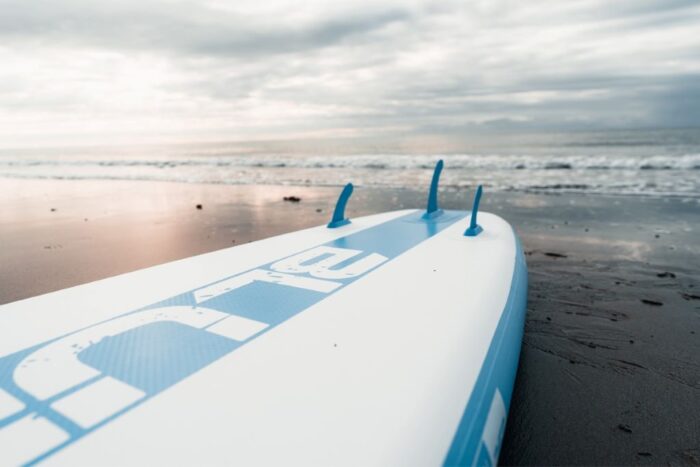
How to Install a SUP Fin Kit
Installing a SUP fin kit is a straightforward process, but it’s important to do it correctly to ensure your fin is secure and performs at its best. Here’s a step-by-step guide to help you install your fin kit:
1. Gather Your Tools
Before you begin, gather the tools and materials you’ll need for the installation. This typically includes:
- Your SUP fin kit (fin, fin box, screws, and any other hardware)
- A screwdriver or other tool for tightening the fin box (if required)
- A towel or cloth to clean the fin box and fin
- A small amount of lubricant or wax (optional, for easier installation)
Additionally, make sure you’re working in a clean, dry area where you can lay out your board and tools without the risk of losing or damaging anything.
2. Clean the Fin Box
Before installing your fin, clean the fin box on your paddle board to remove any dirt, sand, or debris. Use a towel or cloth to wipe down the inside of the box and ensure it’s free from any obstructions. This can help prevent damage to the fin or fin box and ensure a secure, stable fit.
Additionally, consider applying a small amount of lubricant or wax to the fin box or fin base. This can make it easier to insert and remove the fin, especially if it’s a tight fit.
3. Insert the Fin
Insert the fin into the fin box, making sure it’s aligned correctly with the board. Most fins have a specific orientation, so check the manufacturer’s instructions or markings on the fin to ensure it’s facing the right direction. For example, a swept-back fin should be positioned with the rake facing toward the back of the board.
Additionally, consider the depth of the fin in the box. Some fins may need to be inserted fully, while others may have a specific depth or position for optimal performance. Check the manufacturer’s instructions for guidance.
4. Secure the Fin
Once the fin is inserted, secure it in place using the screws or other hardware provided with your fin kit. Use a screwdriver or other tool to tighten the screws, ensuring the fin is secure and stable. Be careful not to overtighten the screws, as this can damage the fin box or strip the threads.
Additionally, consider the type of fin box system you’re using. Some systems, like the US Box, allow for adjustable fin positions, so you can fine-tune the placement to suit your needs. Others, like FCS or Futures, may have a fixed position for the fin.
5. Test the Fin
After installing your fin, test it to make sure it’s secure and performing as expected. Gently wiggle the fin to ensure it’s tightly in place and won’t come loose during paddling. Additionally, take your board for a short test paddle to check the fin’s performance and make any necessary adjustments.
Additionally, consider the conditions you’ll be paddling in. If you’re in flat water, test the fin’s tracking and stability. If you’re in waves, test its maneuverability and control. This can help you fine-tune your setup and ensure your fin is working at its best.
Common Mistakes to Avoid When Installing a SUP Fin Kit
Even with the best intentions, it’s easy to make mistakes when installing a SUP fin kit. Here are some common pitfalls to avoid:
1. Choosing the Wrong Fin for Your Board
Not all fins are created equal, and choosing the wrong fin for your board can impact its performance and your paddling experience. Avoid selecting a fin that’s too large, too small, or the wrong shape for your board and paddling style. Instead, consider the type of water you’ll be paddling in, your skill level, and your personal preferences when choosing a fin.
Additionally, check the compatibility of the fin with your board’s fin box system. Some fins may not be compatible with certain fin boxes, so make sure to choose a fin that fits your board’s setup.
2. Not Cleaning the Fin Box
Failing to clean the fin box before installing your fin can lead to dirt, sand, or debris getting trapped between the fin and the box. This can cause damage to the fin or fin box, as well as make it difficult to insert or remove the fin. Always clean the fin box thoroughly before installing your fin to ensure a secure, stable fit.
Additionally, consider applying a small amount of lubricant or wax to the fin box or fin base. This can make it easier to insert and remove the fin, especially if it’s a tight fit.
3. Inserting the Fin Incorrectly
Inserting the fin incorrectly can lead to poor performance, damage, or even loss of the fin during paddling. Avoid inserting the fin in the wrong orientation or at the wrong depth. Instead, check the manufacturer’s instructions or markings on the fin to ensure it’s aligned correctly with the board.
Additionally, consider the type of fin box system you’re using. Some systems, like the US Box, allow for adjustable fin positions, so you can fine-tune the placement to suit your needs. Others, like FCS or Futures, may have a fixed position for the fin.
4. Overtightening the Screws
Overtightening the screws on your fin can damage the fin box or strip the threads, making it difficult to remove or adjust the fin in the future. Avoid using excessive force when tightening the screws. Instead, use a screwdriver or other tool to tighten them just enough to secure the fin in place.
Additionally, consider the material of the fin and fin box. Some materials may be more prone to damage from overtightening, so be especially careful when working with delicate or high-performance fins.
5. Not Testing the Fin
Failing to test your fin after installation can lead to poor performance or even damage during paddling. Avoid assuming that your fin is secure and performing as expected without testing it first. Instead, take your board for a short test paddle to check the fin’s performance and make any necessary adjustments.
Additionally, consider the conditions you’ll be paddling in. If you’re in flat water, test the fin’s tracking and stability. If you’re in waves, test its maneuverability and control. This can help you fine-tune your setup and ensure your fin is working at its best.
Tips for Getting the Most Out of Your SUP Fin Kit
To maximize the benefits of your SUP fin kit, follow these tips for optimal performance and longevity:
1. Experiment with Different Fins
Different fins can provide different performance characteristics, so don’t be afraid to experiment with different types, sizes, and shapes to find the best setup for your needs. For example, try a larger fin for better tracking and stability, or a smaller fin for improved maneuverability and control.
Additionally, consider the conditions you’ll be paddling in. A larger fin may be better suited for flat water or long-distance paddling, while a smaller fin may be more appropriate for surfing or choppy conditions.
2. Adjust the Fin Position
If your fin box system allows for adjustable fin positions, experiment with different placements to fine-tune your board’s performance. For example, moving the fin slightly forward or backward can enhance tracking or maneuverability, depending on your needs.
Additionally, consider the angle of the fin. Some fin box systems allow you to adjust the fin’s angle, which can impact its performance in the water. For example, a more upright fin may provide better tracking, while a more swept-back fin may enhance maneuverability.
3. Maintain Your Fin Kit
To keep your SUP fin kit looking and performing its best, follow these tips for maintenance and care:
- Rinse your fin and fin box with fresh water after each use to remove salt, sand, or debris.
- Inspect the fin and fin box regularly for signs of wear and tear, such as cracks, chips, or loose screws.
- Tighten the screws or hardware as needed to ensure the fin is secure and stable.
- Store your fin kit in a cool, dry place away from direct sunlight or extreme temperatures.
Additionally, consider using a fin bag or case to protect your fin during transport or storage. This can help prevent damage and extend the life of your fin kit.
4. Use a Leash
A fin leash can provide added security and peace of mind, especially in choppy or rough conditions. The leash attaches to your fin and your board, preventing the fin from getting lost if it comes loose or detaches during paddling.
Additionally, consider the type of leash you use. Some leashes are designed specifically for SUP fins and may offer added durability or ease of use. Choose a leash that’s compatible with your fin and board setup.
5. Consider a Multi-Fin Setup
If you’re looking to customize your board’s performance even further, consider a multi-fin setup. For example, a thruster or 2+1 setup can provide a balance of stability, tracking, and maneuverability, making it a versatile option for a variety of conditions.
Additionally, consider the compatibility of your fin kit with a multi-fin setup. Some fin box systems may not be compatible with certain configurations, so make sure to choose a setup that works with your board and fin kit.
The Benefits of Using a SUP Fin Kit
Using a SUP fin kit offers a variety of benefits that can enhance your paddle boarding experience. Here are some of the most notable advantages:
1. Improves Tracking and Stability
One of the primary benefits of a SUP fin kit is its ability to improve your board’s tracking and stability. A fin acts like a rudder, helping you maintain a straight line and reducing the amount of energy you spend correcting your course. This can make your paddling more efficient and less fatiguing, allowing you to go farther and faster with less effort.
Additionally, a fin can provide better stability in choppy or rough conditions, helping you maintain control and balance on your board.
2. Enhances Maneuverability
Depending on the type of fin you choose, a SUP fin kit can also enhance your board’s maneuverability. For example, a smaller fin can allow for quicker turns and better agility, making it ideal for surfing or navigating tight spaces. A larger fin, on the other hand, can provide better tracking and stability for long-distance paddling or touring.
Additionally, consider the shape and flex of the fin. A swept-back or rake design can enhance tracking and stability, while a more upright or symmetrical shape can improve maneuverability and control.
3. Adapts to Different Conditions
A SUP fin kit can help you adapt your board’s performance to different water conditions. For example, a larger fin may be better suited for flat water or long-distance paddling, while a smaller fin may be more appropriate for surfing or choppy conditions. This versatility allows you to fine-tune your setup to suit your needs and the environment.
Additionally, consider the type of fin box system you’re using. Some systems, like the US Box, allow for adjustable fin positions, so you can fine-tune the placement to suit your needs. Others, like FCS or Futures, may have a fixed position for the fin.
4. Provides Better Control
A SUP fin kit can provide better control and responsiveness in the water, allowing you to make quick adjustments and navigate with confidence. This can be especially important for surfing or riding waves, where quick turns and precise movements are necessary.
Additionally, consider the type of fin you’re using. A smaller, more flexible fin can provide better maneuverability and control, while a larger, stiffer fin can offer more stability and tracking.
5. Enhances Your Paddling Experience
Ultimately, a SUP fin kit can enhance your overall paddling experience by improving your board’s performance, control, and adaptability. Whether you’re a beginner or a seasoned pro, the right fin can make your time on the water more enjoyable, efficient, and rewarding.
Additionally, consider the versatility of your fin kit. A high-quality fin can adapt to different conditions, paddling styles, and personal preferences, making it a worthwhile investment for any paddler.
Conclusion
A SUP fin kit is an essential accessory for any paddle boarder looking to improve their board’s performance, control, and adaptability. By choosing the right fin, installing it correctly, and avoiding common mistakes, you can enhance your paddling experience and make the most of your time on the water. Whether you’re a beginner or a seasoned pro, the right fin kit can transform your paddle boarding sessions and help you achieve your goals.
Remember, the best SUP fin kit is the one that fits your specific needs and preferences. Take your time, explore your options, and don’t be afraid to experiment with different setups and configurations. With the right approach, your fin kit can become a trusted and essential part of your paddle boarding toolkit.
Have you installed a SUP fin kit on your board? Share your experiences, tips, or favorite setups in the comments below! If you found this article helpful, don’t forget to share it with your fellow paddle boarders. Here’s to more stable, controlled, and enjoyable sessions on the water!
FAQs
What is a SUP fin kit?
A SUP fin kit is a set of fins designed to be installed on a stand-up paddle board to improve its performance, control, and stability. The fin acts like a rudder, helping you maintain a straight line and enhancing your board’s maneuverability in the water.
How do I choose the right SUP fin kit for my board?
Consider factors like fin material, size and shape, fin box compatibility, fin flex, and durability when choosing a SUP fin kit. Think about the type of water you’ll be paddling in, your skill level, and your personal preferences to find the best fin for your needs.
What are the different types of SUP fins?
The different types of SUP fins include single fins, three-fin (thruster) setups, 2+1 fin setups, quad fin setups, and adjustable fin systems. Each type offers its own advantages and performance characteristics, so choose the one that best suits your needs and paddling style.
How do I install a SUP fin kit?
Gather your tools, clean the fin box, insert the fin correctly, secure it with screws or hardware, and test it to ensure it’s secure and performing as expected. Follow the manufacturer’s instructions for your specific fin kit and fin box system.
How do I maintain my SUP fin kit?
Rinse your fin and fin box with fresh water after each use, inspect them regularly for signs of wear and tear, tighten the screws or hardware as needed, and store them in a cool, dry place. Consider using a fin bag or case for added protection during transport or storage.